

Por Valerio Cesio
PERFILANDO O INÍCIO DO s.XXI
As primeiras duas décadas deste século trouxeram novas características ao formato evolutivo da dança latino-americana
Por um lado, a aceleração na circulação de informações das produções coreográficas nos países mais desenvolvidos fomentou a influência direta das danças mais cosmopolitas nos processos de criação, produção e circulação locais.
Muitas iniciativas se pasteurizaram prematuramente, dando origem a uma dança transgênica, sem certeza de origem e com profusa pluralidade de facetas estéticas. A colagem pós-moderna toma forma nas produções independentes com mais frivolidade que convicções.
Por outro lado, as instituições oficiais, que historicamente zelam pelo patrimônio coreográfico de outrora, avançaram sobre as novas tendências, apropriando-se de grande parte das vanguardas.
Finalmente, criadores e intérpretes da dança latino-americana abandonaram projetos próprios em prol de se dedicarem à construção de uma carreira internacional.
Somando a tudo isso a endêmica falta de recursos nos países da América Latina e do Caribe, grupos independentes de diferentes estilos se dissolveram e deram lugar aos chamados elencos de uma produção, convocados apenas para um projeto.
Um dos nichos de mercado mais importantes para bailarinos nas maiores capitais latino-americanas foram os musicais. Versões locais de grandes títulos da Broadway são realizadas desde as últimas três décadas do século XX, mas nunca com a assiduidade e a aceitação comercial que tiveram nas primeiras duas décadas do século XXI em grandes metrópoles como São Paulo, Buenos Aires e Cidade do México, por exemplo.
O folclore é o estilo que ficou mais encapsulado, seus agrupamentos se mantiveram, seus processos formativos permanecem praticamente iguais e seu repertório pouco se renovou.
Os festivais foram a vitrine por excelência das duas últimas décadas do século XX, mas a proliferação de eventos lhes subtraiu contundência. O que antes eram as grandes vitrines que davam visibilidade aos talentos emergentes, são agora uma profusão de vitrines com critérios de qualidade confusos, onde é difícil encontrar padrões artísticos consistentes.
Em compensação, essa pausa nos processos de criação, produção e circulação, concedeu mais tempo à pesquisa, prometendo assim para um futuro próximo uma melhor compreensão do período e seu real significado na história geral da dança.
As danças que se apreendem diferem das que se aprendem não apenas pela ausência do corpo treinado, mas também por tudo o que propõe o papel protagonista do cidadão-bailarino, que, sem formação acadêmica, se presta a refletir a sensação de dança do homem comum; uma sensação que, por não passar por filtros técnicos, documenta o simples ser-corpo-em-movimento de cada coletividade. Um bom exemplo da absorção de novas formas de se mover são as danças populares em toda a América Latina.
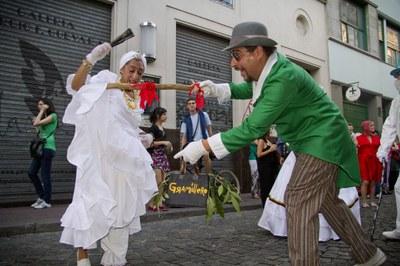
É difícil precisar desde quando e exatamente “como” se dançava em cada lugar da América Latina e do Caribe cinco séculos atrás. A colonização arrasou com uma boa parte dos hábitos corporais nativos e o tempo continuou acionando uma transformação inevitável; o folclore é o patrimônio coreográfico de um povo, e os povos mudam. A preservação das danças populares de distintas origens é uma ação persistente de um importante setor da população. Não perder os “passos” dos avós sempre foi motivo de orgulho.
A partir do século XVI, os corpos latino-americanos mudaram porque se modificaram seu modo de viver, sua alimentação e sua “pureza” étnica. As danças que outrora serviram para agradecer uma boa colheita, invocar a chuva ou para inúmeras instâncias sociais, se cristalizaram em pequenas sequências que incidiram e se inseriram nas danças populares dos séculos XVIII e XIX. Das danças de “ontem”, só restaram algumas alegorias que decoram as danças do “hoje”.
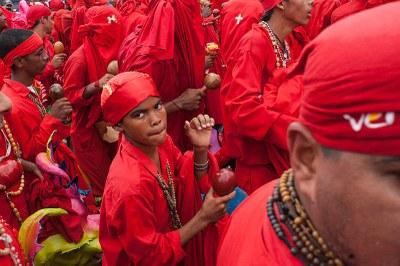
Por exemplo, entre 1609 e 1767, nas missões jesuíticas, executavam-se algumas danças de origem guarani, das quais alguns elementos se conservam nas danças tradicionais paraguaias. Por outra parte, foram muitos os casos em que as danças cortesãs espanholas, francesas e portuguesas chegaram a exercer certa influência em seus formatos e desenvolvimentos formais. No final do século XVIII e começos do século XIX, no Paraguai, realizavam-se danças seguidas de entremeses ou pantomimas, interpretadas por nativos, com influência de antigas danças espanholas. Danças populares locais do século XIX como El cielito, El Pericón e La Media Caña tiveram influência da contradança, que chegava pelo Rio da Prata e aparecia quase simultaneamente no Uruguai, na Argentina e no Paraguai. Outras danças, como a valsa, o galope, a polca, a mazurca, o chotis e a habanera passaram velozmente dos salões aos ambientes rurais. Esse processo ocorreu, simultaneamente e de modo similar, em quase toda a América do Sul e no México.
As danças de origem africana foram as mais impermeabilizadas à influência europeia tanto no Brasil (com a maior riqueza e variedade de danças de tal proveniência), como no Caribe e inclusive no Uruguai, com seu tradicional candombe.
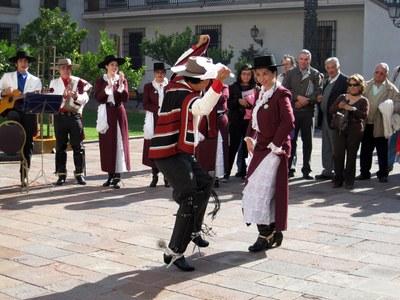
Muitas dessas danças populares têm curiosos mapas de influência: pode-se ver a presença caribenha “se continentalizando” a partir de sua dança. Assim, o joropo, o tamunangue, o san Juan, o san Bento, o diablo de Yare e o calipso pertencem tanto à Venezuela como a algumas regiões da América Central, Colômbia e Equador.
O termo “folclore” (enunciado pela primeira vez pelo antiquário inglês William John Thoms, em 1846) agrupou diversas manifestações coreográficas tradicionais na primeira metade do século XX, e na segunda metade foi a etiqueta adequada para todas as danças de tradição de um grupo étnico determinado, independentemente do grau de pureza que ostentasse. O conceito de autenticidade na reprodução dessas danças tradicionais entrou em xeque em meados do século XX. Assim, os folclores nacionais se ramificaram e apareceu o folclore estilizado, o folclore de projeção, que toma a base de uma dança tradicional e a transforma em produto cênico.
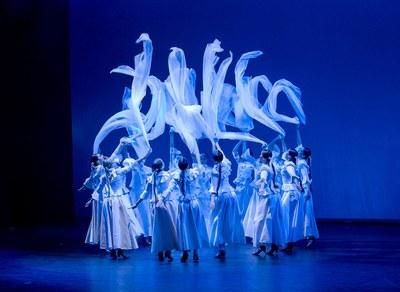
O relevo alcançado pelas danças folclóricas na segunda metade do século XX não é comparável a nenhum outro tipo de dança nas regiões da América Latina e do Caribe. A maior parte dos países dispõe de várias companhias oficiais de danças folclóricas, ou seja, companhias financiadas total ou parcialmente por governos federais, estaduais, provinciais, municipais ou departamentais. A isso se somam inúmeros agrupamentos particulares, de associações ou instituições diversas, e grupos que abastecem as necessidades do mercado turístico.
Existem, atualmente, mais de mil companhias profissionais e semiprofissionais de danças folclóricas e populares na América Latina e no Caribe. Centenas delas com trajetória internacional e uma, particularmente famosa: o Ballet Folclórico de México de Amalia Hernández, um exemplo de profissionalismo e projeção internacional.
O Brasil tem as danças populares mais variadas da América Latina. Em seu folclore existe uma forte marca das diferentes etnias, que lhe atribuem dimensão continental.
Na região Norte, carimbó, retumbão, maracaibo e batuque; no Nordeste, frevo, xaxado, maracatu, ciranda e capoeira; no Centro-Oeste, catira, chupim, cururu e siriri; no Sudeste, samba, ticumbí, congos (ou congadas) e moçambique e catopês; e no Sul, chimarrita, pezinho, rancheira e chula; só para citar algumas.
Essas danças encontram palco nas grandes festas populares como o Boi-Bumbá, de Parintins, e o Círio de Nazaré, de Belém, no Norte; o Bumba-meu-boi, do Maranhão, e a Lavagem da Igreja do Bonfim, da Bahia, no Nordeste; e o monumental carnaval carioca, no Sudeste. Nessas festas, circulam milhões de cidadãos-bailarinos, adornando as danças que sua tradição e seu contexto lhes ensinaram.
Novos Corpos para Ballets Antigos
Embora se possa registrar o começo de uma certa dança teatral na América Latina no século XVI, em festividades públicas como o Corpus Christi e nas primeiras “casas de comédias”, foi no século XVII que começaram a ser mencionados, no teatro, bailarinos profissionais, como os espanhóis Melchor de los Reyes Palacios e seu filho, que trabalharam no México e no Peru. No século XVIII, a presença de bailarinos se fez mais notória e, inclusive, sem uma grande formação acadêmica, eles começaram a mostrar mais habilidades físicas. A primeira dança de palco que se desenvolveu e ganhou credibilidade no novo continente foi o ballet. Em 1796, chegou ao México o coreógrafo e primeiro bailarino Juan Medina – irmão da famosa bailarina austríaca María Medina Vigano, retratada em gravuras da época como a musa da dança, e cunhado do coreógrafo italiano Salvatore Viganò – para dirigir a Companhia do Coliseu do México, onde permaneceu até 1816. Foi responsável pela reposição coreográfica dos primeiros ballets de Noverre, Angioloni e Jean Dauberval, vistos na América Latina e no Caribe.
Quem fez o ballet latino-americano sabia que seria artisticamente ingênuo pretender absorver, a curto prazo, o que os europeus vinham elaborando há mais de três séculos. O ballet clássico e romântico pertence aos alicerces mesmos da cultura coreográfica europeia e é também o indutor das características essenciais da produção coreográfica de grande parte do século XX daquele continente. O desafio do ballet no novo mundo era conseguir dizer o que a Europa dizia, ainda que os biótipos e a falta de tradição fossem obstáculos conscientemente intransponíveis. O ballet nas Américas, como a ópera, foi consequência de uma mimese mais que de uma necessidade de expressão de valores próprios, e essa mimese teve seu preço: a evolução natural do corpo dançante acadêmico regional passou a segundo plano, os corpos latino-americanos forçaram sua própria natureza para se parecerem com os europeus. Em síntese, forjaram um novo corpo para dançar ballets antigos. O modelo em que se calcavam os que reliam o ballet a partir de uma formação que não continha o corpo implicava que cada significante desse difícil código acadêmico fosse velozmente assimilado ou readaptado para cumprir sua função.
As Décadas de Colonização Coreográfica
As primeiras visitas da “grande dança cênica” à América Latina foram determinantes para a assimilação desses códigos e para a construção dos paradigmas que sustentaram os pioneiros.
Essas danças, provenientes de outros contextos, tiveram uma presença gota a gota durante três séculos e, no século XX, alcançaram uma inserção profunda no imaginário e nas linguagens técnicas dos criadores de cada polo gerador da América Latina e do Caribe. As danças étnicas, o ballet e a dança moderna desembarcaram com uma galeria de interesses estéticos que germinariam velozmente no novo solo, em uma fusão entre as formas eruditas do Velho Mundo e os corpos e sensibilidades latino-americanos.
Da longa lista de visitas na primeira metade do século XX, algumas foram verdadeiros marcos, como a de Anna Pavlova, que mostrou seu repertório em extensas turnês pela América Latina em 1917, 1919, 1924-1925 e 1928, e que foi a musa inspiradora de centenas de artistas latentes na área da dança; entre eles um adolescente equatoriano que, ao vê-la dançar, decidiu sua carreira e mais tarde se tornou um dos coreógrafos mais importantes da história do ballet acadêmico britânico: Sir Frederick Ashton.
O contraponto de Pavlova foi Isadora Duncan, cuja passagem por Buenos Aires, Montevidéu e Rio de Janeiro, em 1916, não foi tão significativa quanto se esperava. Isadora terminou fazendo seus espetáculos em um circuito periférico de espaços que não estavam à altura de sua merecida divulgação.
A visita mais transcendente para a evolução estilística do ballet latino-americano foi a de Les Ballets Russes de Diaghilev, em 1913, repetida em 1916. A companhia realizou funções conjuntas com o Ballet Estable del Teatro Colón, de Buenos Aires, e impôs uma estética que se manteria vigente por mais de meio século.
Outras companhias e artistas exerceram uma notável influência em criadores e diretores latino-americanos, como os Ballets Russes de Montecarlo (encabeçados por Leonide Massine), em 1940; o American Ballet (ex Ballet Caravan), de George Balanchine, em 1941; o Ballet Russe du Colonel de Basil (encabeçado por Tamara Grigorieva, Tatiana Leskova e Yurek Shaboevsky, que seriam parte importante do desenvolvimento do ballet na América Latina), em 1942 e 1944; e o Ballet de Alicia Alonso (depois Ballet de Cuba), em 1949, 1954 e 1959.
As visitas de Serge Lifar e de George Balanchine contribuíram também para a formação de um determinado gosto pela técnica do ballet, aplicado a um universo maior de temas que o que propunha o repertório clássico e romântico conhecido até esse momento.
As danças populares receberam sua primeira grande influência do século com as sucessivas visitas, de 1917 a 1935, da bailarina espanhola Antonia Mercé, “La Argentina”. Apresentou-se em toda a América do Sul, México e em parte da América Central com seu célebre El amor brujo. A turnê de Carmen Amaya, em 1953, também deixou marcas.
A dança moderna – que teve sua primeira presença na América Latina com a visita de Loie Füller ao México, em 1897 – recebeu na primeira metade do século XX duas turnês de grande impacto na produção local: em 1940, o Ballet Jooss (Dance Theatre Darlington Hall, Inglaterra) com dois programas mistos que incluíam seu célebre A Mesa Verde (1932), que deixou marcas estilísticas indeléveis em vários coreógrafos; e, em 1942 e 1946, os irmãos Sakharoff (Clotilde e Alexander). Em decorrência dessas turnês, ambos foram contratados por Ernst Uthoff (do Ballet Jooss) da Universidade do Chile para criar uma escola de dança, e foi fundada a companhia de dança de Clotilde e Alexander Sakharoff, em Buenos Aires – que esteve apenas um ano em atividade.
Em 1950, Katherine Dunham e, em 1959, Harald Kreitzberg causaram uma grande impressão. O mesmo ocorreu com Dore Hoyer, que se apresentou em vários países em 1951 e 1953, e terminou criando sua companhia de dança em La Plata (Argentina), em 1960.
Nesse mesmo ano, apresentou-se pela primeira vez na América Latina o Ballet do Século XX, de Maurice Béjart, que visitou apenas a Argentina, Uruguai, Brasil, Chile, Peru e México. Sua influência impactou tanto o âmbito do ballet como a dança moderna. Em 1963, a companhia retornou em uma turnê mais extensa, mostrando duas obras que seriam ícones na cultura coreográfica latino-americana: A Sagração da Primavera e Bolero. O ballet progressivo de Béjart foi um dos modelos estéticos mais fortes que se pode apreciar na produção coreográfica latino-americana dos anos 70, um modelo tão representativo quanto foram as turnês de Les Ballets Russes de Diaghilev, na primeira metade do século.
Outras visitas que marcaram os criadores na década de 1970 foram as de Martha Graham, Alwin Nikolais e, finalmente, já em 1980, a primeira turnê de Pina Bausch com seu Tanztheater de Wuppertal, que imprimiu uma forte influência em duas gerações de coreógrafos com seu célebre Café Müller.
A permeabilidade de grande parte dos criadores locais fez com que essas visitas se tornassem parte viva da evolução da dança nessas latitudes.
O Ballet Latino-Americanizado
O desenvolvimento do chamado ballet clássico ficou nas mãos dos grandes teatros oficiais que implantaram corpos estáveis, funcionando paralelamente com as orquestras sinfônicas e filarmônicas, mas com um status menor. O primeiro ballet estável nesses moldes na América Latina foi o do Teatro Colón, de Buenos Aires (1925), seguido do Teatro Municipal do Rio de Janeiro (1936). Na segunda metade do século XX, tiveram suas companhias: Havana (Ballet Nacional de Cuba), Cidade do México (Compañía Nacional de Danza), Montevidéu (Servicio Oficial de Difusión, Radiotelevisión y Espectáculos, inicialmente Servicio Oficial de Difusión Radioeléctrica, SODRE), Santiago (Teatro Municipal), La Plata (Teatro Argentino) e, finalmente, outras capitais latino-americanas e algumas cidades do interior da Argentina, Brasil e México. Essas instituições, de desempenhos muito irregulares, se encarregaram de levar a arte do ballet a suas comunidades e encontraram na burguesia urbana um importante consumidor.
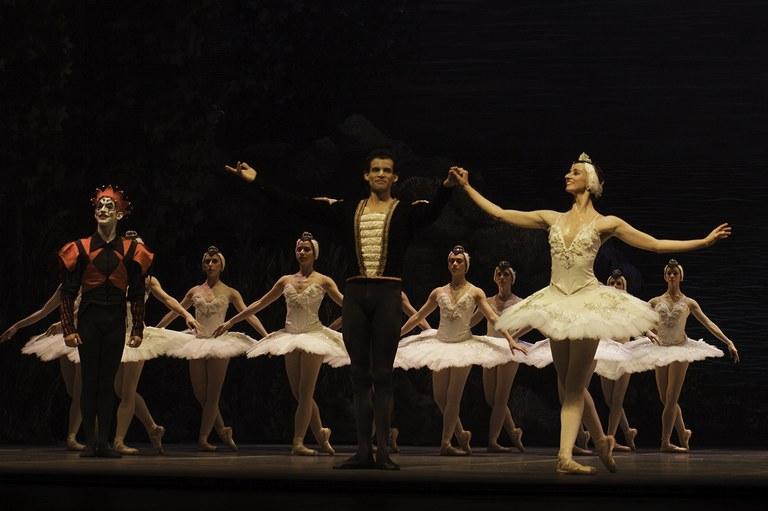
Paralelamente às atividades de reposição de diversas versões dos títulos mais tradicionais do ballet romântico do século XIX, como La Sylphide, Giselle, O Quebra-Nozes, O Lago dos Cisnes e A Bela Adormecida, essas companhias promoveram a montagem de criações de numerosos coreógrafos latino-americanos, interessados na linguagem acadêmica desse gênero, seja para contar a mesma história dos antigos ballets com outros passos, seja para contar novas histórias na antiga língua. No universo desse artesanato cênico brilha o nome do coreógrafo venezuelano Vicente Nebreda, que elaborou um discurso coreográfico pessoal e formalmente rico, sem extrapolar em demasia os limites do ballet acadêmico.
No último quartel do século XX, a América Latina, já com quatro gerações de bailarinos experientes, começou a apresentar seus primeiros produtos de exportação.
Representantes de ballets da Argentina, Venezuela, Brasil e Cuba ocuparam importantes lugares no cenário internacional, começando pela célebre cubana Alicia Alonso, a brasileira Márcia Haydée (como estrela de Cranko, no Ballet de Stuttgart), o argentino Jorge Donn (como estrela de Béjart, no Ballet do Século XX) e a venezuelana Zhandra Rodriguez (American Ballet Theatre – Hamburg Ballet). Mais tarde seguiriam os argentinos Julio Bocca (American Ballet Theatre), Maximiliano Guerra (Balleto del Teatro alla Scala di Milano), Paloma Herrera (American Ballet Theatre), Iñaki Urlezaga (Royal Ballet), Marianela Núñez (Royal Ballet) e Herman Cornejo (American Ballet Theatre). Também se destacaram os brasileiros Cecilia Kerche (Teatro Municipal do Rio de Janeiro), Marcelo Gomes (American Ballet Theatre), Thiago Soares (Royal Ballet) e Roberta Marques (Royal Ballet). Em Cuba, que exportou grande quantidade de bailarinos, o nome de Carlos Acosta (Royal Ballet) sobressaiu entre todos seus conterrâneos.
As estruturas que contêm e mantêm companhias de dança capazes de ter um repertório ativo de ballet sofreram, além dos habituais desprezos à cultura característicos do Terceiro Mundo, o gradual envelhecimento de suas dinâmicas operacionais; tratam-se de órgãos e instituições com pesada burocracia e o nível de suas produções deixou de crescer há mais de uma década. Mesmo assim, o ballet ocupa um lugar importante no ideário da dança latino-americana. Existem milhares de instituições públicas e privadas que o ensinam e um numeroso público que o aprecia. O ballet mestiço consolidou, não sem pouco esforço, seu próprio circuito de funcionamento e legitimação.
Os Construtores
A década de 1940 foi a da descoberta. Embora se apresentassem espetáculos de ballet e de variedades com produção local desde os anos 20, foi na década de 1940 que se começou a fazer dança latino-americana, com certeza de origem e perspectivas diversas.
Tanto os pioneiros do ballet como os da dança moderna estavam iniciando sua carreira profissional, quase sempre monitorados por profissionais europeus experientes, imigrantes que a guerra se encarregaria de espalhar por todos os lados e que foram decisivos para a condensação das danças eruditas regionais. Havia uma dança por ser construída. Era o período de semeadura, de uma geração que iniciaria a construção das danças nacionais desde o México até a Argentina.
No México, fortemente marcado pelas imigrantes americanas da dança moderna Anna Sokolow e Waldeen desde a década de 1930, Nellie e Gloria Campobello adequaram ao ballet as imagens e os temas mexicanos, tanto em seus aspectos folclóricos como na adaptação de obras literárias. Mas o grande acontecimento artístico foi a fundação, em 1948, do Ballet Nacional de México, entidade independente impulsionada por Guillermina Bravo, a coreógrafa mais relevante da dança mexicana do século XX, de postura ideológica definida e ativa presença artística, por mais de cinquenta anos à frente de uma companhia que chegou até o século XXI.
Nos anos 50 surgiram Guillermo Arriaga, coreógrafo do famoso Zapata (1953), Josefina Lavalle e Raúl Flores Canelo, com linguagem moderna e de fortes cores nacionais. Simultaneamente, Sonia Castañeda, Felipe Segura, Nellie Happee e Gloria Contreras, coreógrafa de Huapango (1959), escolheram a técnica do ballet para plasmar suas ideias.
Na Argentina, a austríaca Margaret Wallman (ex-discípula e sócia de Mary Wigman) assumiu a direção do Corpo de Baile do Teatro Colón, e a bostoniana Miriam Winslow (ex-discípula de Ted Shawn) criou sua primeira companhia em Buenos Aires. A cidade também recebeu os bailarinos e mestres Otto Werberg e Francisco Pinter, que vinham do Ballet Jooss, e os irmãos Clotilde e Alexander Sakharoff.
O expressionismo alemão foi a principal vertente estilística que se propagou na dança moderna argentina. A alemã Renate Schottelius, as argentinas Paulina Ossona, Luisa Grimberg, Cecilia Ingenieros e María Fux, e a chilena Ana Itelman integraram a primeira geração da dança moderna do Rio da Prata e foram decisivas para seu desenvolvimento.
No Brasil, embora Eros Volúsia compusesse solos de dança livre com temáticas regionais desde os anos 30, foi a russa Nina Verchinina, proveniente do ballet, quem introduziu uma dança mais moderna, na qual a expressão era mais buscada que a técnica. O mundo do ballet tinha seu centro no Rio de Janeiro, onde existia o Corpo de Baile do Teatro Municipal e onde as russas María Olenewa, Tatiana Leskova e Eugenia Feodorova e o tchecoslovaco Vaslav Veltchek realizavam uma tarefa pedagógica intensa. São Paulo, que também acolheria Olenewa e Veltchek para a criação de sua Escola Municipal de Bailados, contou com a importante presença da polonesa Halina Biernacka.
A Venezuela teve seus pioneiros de imigração continental: o mexicano Grishka Holguin (com Conchita Crededio) e os argentinos Luz y Harry Thompson (ex-integrantes do Original Ballet Russe du Colonel de Basil). Na América Central e no Caribe, os pioneiros eram nativos, como foi o caso de Margarita Esquivel (e depois de Mireya Barboza) na Costa Rica e do cubano Alberto Alonso.
Em Cuba, floresceu apenas a linguagem do ballet acadêmico. De regresso de suas experiências no Ballet Russe de Montecarlo e Original Ballet Russe du Colonel de Basil, o primeiro coreógrafo profissional do país, Alberto Alonso, começou suas atividades em 1942. Nasceu a famosa trilogía Alicia, Fernando e Alberto, que protagonizou Antes do Amanhecer (1947), primeira obra de conotação social estreada na região. Já à frente do Ballet Nacional de Cuba, Alberto Alonso foi, entre 1948 e 1959, o coreógrafo mais ativo de seu país.
Na década de 1950, o Ballet do IV Centenário (de efêmera existência), em São Paulo, sob a direção do húngaro Aurelio Milloss, trataria de promover um fenômeno diaghileviano de produções que incluíssem grandes nomes da música e das artes plásticas, optando por uma temática mais brasileira. Também nessa década surgiu Klauss Vianna, que propôs uma dança moderna, tangencialmente nacional, erudita e distante do ballet.
Companhias e grupos independentes da Argentina, Brasil, México e Cuba encabeçaram um movimento que incluiría Chile, Venezuela, Peru, Uruguai e, finalmente, Bolívia, Paraguai, Equador, Colômbia e toda a América Central, um movimento que daria seu primeiro rosto visível à dança da América Latina.
Os coreógrafos nacionais fizeram suas primeiras montagens com escassa preparação acadêmica no que respeita à composição coreográfica, mas com um forte empenho ideológico e um instinto afinado com o mundo moderno/nacional, que definiam suas criações. Nos anos 50, embora as estruturas acadêmicas da dança ainda fossem precárias para a produção de grandes profissionais, a primeira geração de coreógrafos latino-americanos alcançou visibilidade.
Modernidade em Efervescência
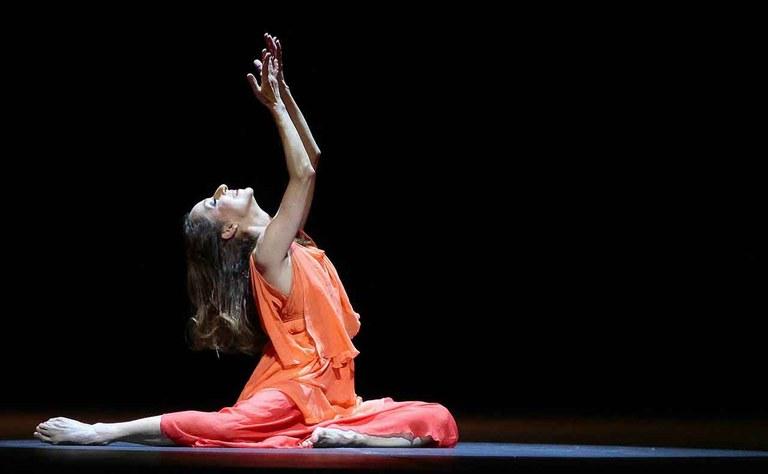
Os criadores, executantes e promotores da dança latino-americana viveram, nos anos 60 e 70, o período mais fértil do século XX, que os prepararia para o grande salto da década de 1980. Não só se multiplicaram os grupos, as companhias e as escolas, mas também cresceram o número de espaços e os encontros para a dança.
Já na década de 1960 apareceram os primeiros grandes instrutores da dança latino-americana totalmente formados em seus países, com pesquisas metodológicas próprias e experiência plural. Esses primeiros “mestres” regionais impulsionariam as gerações mais exitosas de bailarinos de cada país.
O perfil do “mestre” acumulava geralmente os cargos de professor, coreógrafo e diretor, e funcionava como um formador de gosto. Eles foram também os cultivadores de uma disciplina, esculpiram o modo pelo qual se dançaria na América Latina, propagaram ideias e dirigiram projetos.
No México, ainda perdurava a influência de Ana Sokolow; Guillermina Bravo chegava ao ápice de sua carreira como coreógrafa e surgiam novas companhias como o Ballet Independiente, de Raúl Flores Canelo, em 1966, e o Ballet Teatro del Espacio, de Michel Descombey e Gladiola Orozco, em 1979, que terminariam sendo subsidiadas pelo Estado.
O Ballet Folclórico de Amalia Hernández alcançou seu ponto máximo de projeção, e Gloria Contreras se destacou entre as coreógrafas dedicadas ao ballet acadêmico como a mais produtiva. Em 1971 fundou sua companhia, o Taller Coreográfico (Oficina Coreográfica) da Universidade Nacional Autônoma do México (UNAM).
Na Argentina, o Ballet Contemporâneo do Teatro General San Martín (1968) iniciou suas atividades destacando o trabalho coreográfico de Oscar Araiz. Por sua parte, Iris Scaccheri foi a primeira solista latino-americana de dança moderna a ganhar o mundo com seus espetáculos unipessoais de singular estética e forte exigência técnica. Tanto Scaccheri como Araiz pertenceram ao conjunto de dança moderna que Dore Hoyer havia fundado em La Plata, em 1960.
Também abriram em Buenos Aires dois espaços de produção inéditos: Amigos de la Danza (nos anos 60), que congregava coreógrafos e bailarinos de prestígio para montagens determinadas, e Expo Danza (também Danza Confrontación), na década seguinte, um ciclo de funções semanais que reunia grande parte da atividade emergente da dança independente local.
No Brasil, Décio Otero e Marika Gidali fundaram, em 1971, o Ballet Stagium, um símbolo da modernidade coreográfica com identidade nacional e postura ideológica. Nasceram também o Grupo Corpo (1975) e a Cisne Negro Companhia de Dança (1978).
Na Venezuela, surgiu Sonia Sanoja, cuja Fundación de la Danza Contemporánea nucleava José Ledezma, Juan Monzón, Rodolfo Varela e outros nomes importantes da dança moderna caraqueña.
Na Costa Rica, a universidade deu cabida ao projeto de dança de Rogelio López, discípulo da pioneira Mireya Barboza, enquanto Jorge Ramírez e Nandayure Harley estiveram à frente de uma segunda companhia universitária: um fato inédito na América Central.
Cuba, apesar também de ter recebido a visita da fada da luz, Loie Füller, em 1897, e de Isadora Duncan, em 1916, demorou a ter contato com as novas formas de dança que se estavam propagando pelo mundo. Nos anos 30, as funções de Alexander e Clotilde Sakharoff (1935), Ted Shawn e seu conjunto de bailarinos (1937) e Harald Kreutzberg (1938) haviam tido boa repercussão na ilha; o mesmo ocorreu, na década seguinte, com o Ballet Jooss (1940), Martha Graham (1941) e Miriam Winslow (1943). Mas foi na década de 1950 que a dança moderna se introduziu timidamente no país, por intermédio de Ramiro Guerra, que fundou o primeiro grupo de dança moderna cubana em 1959.
Nesse período, proliferaram os encontros, ciclos e diversas temporadas mistas, sementes do que seriam os festivais nos anos 80. Esse foi também o momento de criação e fundação de inumeráveis coletividades em forma de associações, conselhos, comissões, etc.
A dança assumia um espaço civil mais visível na sociedade, e a palavra de ordem era apostar no futuro.
As Danças Abertas na América Latina
A efervescência e a inquietude estética dos anos 60 e 70 ficaram vibrando na dança dos anos 80 e iniciaram sua sedimentação em meados da década.
O que havia sido busca começou a se transformar em resultados cênicos coesivos, com formato de espetáculo e um público em gestação. Era o começo do boom da dança latino-americana, e não se tratava exclusivamente de um boom coreográfico: também os intérpretes formados ou iniciados na América Latina começavam a ganhar notoriedade no mercado. Esse fenômeno, aliado às produções locais de porte médio que então conquistavam visibilidade na Europa, constituíam a mola propulsora dessa nova dança, de perfil definido e multiplicidade de biografias breves.
Os coletivos partiram em busca do desenvolvimento de linhas próprias, de marcas de personalidade, que durante os anos 90 iniciariam sua categorização de estilos e se transformariam em danças de autor.
Contra os códigos fechados que as antecediam, as novas danças latino-americanas buscaram novos graus de abertura, de interdisciplinaridade e interação. Nascia uma dança renovada a partir de seu contato com outros modos do movimento e com outras disciplinas da criação artística.
O Brasil foi um dos laboratórios mais ativos da pós-modernidade coreográfica e a Argentina, um dos polos exportadores de bailarinos mais reconhecidos, em um período em que México e Venezuela também tiveram marcadas expansões de sua nova dança.
No Brasil, o Grupo Corpo passou a ser, nos anos 80, o que foi o Ballet Stagium nos anos 70: um forte referente no qual se refletia grande parte da dança. Com sede em Belo Horizonte, capital do Estado de Minas Gerais, o grupo foi também o primeiro grande exemplo da descentralização da dança brasileira, que começou a ter importantes polos de criação e produção fora do tradicional eixo Rio de Janeiro-São Paulo. Dessa maneira, convivem nacionalmente estéticas diversas com criadores de obras de câmara, como Lía Rodriguez, ou de grandes espetáculos como Déborah Colker; coreógrafos que chegaram à dança contemporânea pelo caminho do jazz, como Roseli Rodriguez com seu grupo Raça, coreógrafos de poéticas mais radicais como Alejandro Ahmed com seu grupo Cena 11, de Florianópolis, e de linguagens mais pessoais como Henrique Rodovalho com seu grupo Quasar, de Goiânia. O universo dos solistas foi igualmente diverso, indo da inspiração profundamente popular, como Carlinhos de Jesus, do Rio de Janeiro, as temáticas locais no norte, como Antonio Nóbrega de Recife, às estéticas mais internacionais no Sul, como Rosito di Carmine de Porto Alegre, os três com forte presença nacional e ativos embaixadores das danças brasileiras no mundo.
Essa proliferação estilística também é percebida com clareza no México, onde brotam linhas coreográficas bastante diversas como a dança gay de José Rivera, com seu grupo La Cebra, a dança bizarra de Raúl Parrao, e a dança sem gravidade de Juan Manuel Ramos.
Com quase uma centena de grupos independentes em pleno funcionamento, o México chegou ao fim do século XX com um saldo positivo importante. Sem estrelas, mas com uma copiosa atividade e crescente presença internacional. Nomes como Vicente Silva, Gerardo Delgado, Alicia Sánchez e Tania Pérez Salas se somaram a criadores com mais de duas décadas de experiência como Lidia Romero e Cecilia Lugo para testemunhar a diversidade de sua linguagem.
A descentralização da produção e a promoção da dança também se manifestaram nesse período, como demonstram os grupos Antares em Hermosillo, Delfos em Mazatlán e o mesmo Ballet Nacional de México, que no começo dos anos 90 se transferiu a Querétaro. Também as redes de festivais nacionais colaboraram para nacionalizar a realização da dança, antes circunscrita à Cidade do México.
A Argentina teve maior visibilidade por suas estrelas que pela intensidade de sua produção coreográfica. Embora surgissem alguns coletivos de presença estética pessoal e atividade contínua, como o Descueve, não se consolidaram nesse período companhias potencialmente competitivas em um mercado mais exigente ou atualizado. São duas as grandes estrelas da dança argentina de fim do século, ambas consumidas e exportadas com vigor: o bailarino clássico Julio Bocca e o tango.
O gênero popular de dança tradicional portenha não só teve um crescimento inesperado como também se infiltrou em outras linguagens coreográficas e cênicas em geral. A chamada dança contemporânea e o ballet também o absorveram como motivação, forma e entorno. Dentro desse movimento de fusão, alcançaram projeção o trabalho de Tango x 2 e de Tangokinesis, de Ana María Stekelman, que, como dezenas de grupos e companhias, encontrou no tango um passaporte para participar do mercado internacional da dança.
Na Venezuela, as companhias independentes tiveram um marcado auge; grupos como Danzahoy, Contradanza, Acción Colectiva ou Rajatabla mostraram forte presença cênica, com influência em outros países latino-americanos e caribenhos. Grupos de outros países sul-americanos como Colômbia (Danza Concerto e L’explose), Equador (Ballet Ecuatoriano de Cámara), Peru (Ballet Nacional), Bolívia (Ballet Municipal de La Paz), Paraguai (Ballet Nacional e Ballet Municipal de Asunción), Chile (Espiral) e Uruguai (Coringa) lutam para encontrar uma linha própria de trabalho. Na América Central e no Caribe, por sua vez, o esforço reside ainda em implantar grupos e companhias capazes de absorver e impulsionar os bailarinos locais hacia a profissionalização.
A dança cênica da América Latina e do Caribe sofreu um processo acelerado de conformação e sedimentação. Mestiça, orientou seus conteúdos em diversas expressões formais; criou, adaptou e estilizou significantes que atualmente lhe pertencem e a definem estética e ideologicamente no espaço das realizações, contradições e aporias.
A efervescência e a inquietude estética dos anos 60 e 70 ficaram vibrando na dança dos anos 80 e iniciaram sua sedimentação em meados da década.
O que havia sido busca começou a se transformar em resultados cênicos coesivos, com formato de espetáculo e um público em gestação. Era o começo do boom da dança latino-americana, e não se tratava exclusivamente de um boom coreográfico: também os intérpretes formados ou iniciados na América Latina começavam a ganhar notoriedade no mercado. Esse fenômeno, aliado às produções locais de porte médio que então conquistavam visibilidade na Europa, constituíam a mola propulsora dessa nova dança, de perfil definido e multiplicidade de biografias breves.
Os coletivos partiram em busca do desenvolvimento de linhas próprias, de marcas de personalidade, que durante os anos 90 iniciariam sua categorização de estilos e se transformariam em danças de autor.
Contra os códigos fechados que as antecediam, as novas danças latino-americanas buscaram novos graus de abertura, de interdisciplinaridade e interação. Nascia uma dança renovada a partir de seu contato com outros modos do movimento e com outras disciplinas da criação artística.
O Brasil foi um dos laboratórios mais ativos da pós-modernidade coreográfica e a Argentina, um dos polos exportadores de bailarinos mais reconhecidos, em um período em que México e Venezuela também tiveram marcadas expansões de sua nova dança.
No Brasil, o Grupo Corpo passou a ser, nos anos 80, o que foi o Ballet Stagium nos anos 70: um forte referente no qual se refletia grande parte da dança. Com sede em Belo Horizonte, capital do Estado de Minas Gerais, o grupo foi também o primeiro grande exemplo da descentralização da dança brasileira, que começou a ter importantes polos de criação e produção fora do tradicional eixo Rio de Janeiro-São Paulo. Dessa maneira, convivem nacionalmente estéticas diversas com criadores de obras de câmara, como Lía Rodriguez, ou de grandes espetáculos como Déborah Colker; coreógrafos que chegaram à dança contemporânea pelo caminho do jazz, como Roseli Rodriguez com seu grupo Raça, coreógrafos de poéticas mais radicais como Alejandro Ahmed com seu grupo Cena 11, de Florianópolis, e de linguagens mais pessoais como Henrique Rodovalho com seu grupo Quasar, de Goiânia. O universo dos solistas foi igualmente diverso, indo da inspiração profundamente popular, como Carlinhos de Jesus, do Rio de Janeiro, as temáticas locais no norte, como Antonio Nóbrega de Recife, às estéticas mais internacionais no Sul, como Rosito di Carmine de Porto Alegre, os três com forte presença nacional e ativos embaixadores das danças brasileiras no mundo.
Essa proliferação estilística também é percebida com clareza no México, onde brotam linhas coreográficas bastante diversas como a dança gay de José Rivera, com seu grupo La Cebra, a dança bizarra de Raúl Parrao, e a dança sem gravidade de Juan Manuel Ramos.
Com quase uma centena de grupos independentes em pleno funcionamento, o México chegou ao fim do século XX com um saldo positivo importante. Sem estrelas, mas com uma copiosa atividade e crescente presença internacional. Nomes como Vicente Silva, Gerardo Delgado, Alicia Sánchez e Tania Pérez Salas se somaram a criadores com mais de duas décadas de experiência como Lidia Romero e Cecilia Lugo para testemunhar a diversidade de sua linguagem.
A descentralização da produção e a promoção da dança também se manifestaram nesse período, como demonstram os grupos Antares em Hermosillo, Delfos em Mazatlán e o mesmo Ballet Nacional de México, que no começo dos anos 90 se transferiu a Querétaro. Também as redes de festivais nacionais colaboraram para nacionalizar a realização da dança, antes circunscrita à Cidade do México.
A Argentina teve maior visibilidade por suas estrelas que pela intensidade de sua produção coreográfica. Embora surgissem alguns coletivos de presença estética pessoal e atividade contínua, como o Descueve, não se consolidaram nesse período companhias potencialmente competitivas em um mercado mais exigente ou atualizado. São duas as grandes estrelas da dança argentina de fim do século, ambas consumidas e exportadas com vigor: o bailarino clássico Julio Bocca e o tango.
O gênero popular de dança tradicional portenha não só teve um crescimento inesperado como também se infiltrou em outras linguagens coreográficas e cênicas em geral. A chamada dança contemporânea e o ballet também o absorveram como motivação, forma e entorno. Dentro desse movimento de fusão, alcançaram projeção o trabalho de Tango x 2 e de Tangokinesis, de Ana María Stekelman, que, como dezenas de grupos e companhias, encontrou no tango um passaporte para participar do mercado internacional da dança.
Na Venezuela, as companhias independentes tiveram um marcado auge; grupos como Danzahoy, Contradanza, Acción Colectiva ou Rajatabla mostraram forte presença cênica, com influência em outros países latino-americanos e caribenhos. Grupos de outros países sul-americanos como Colômbia (Danza Concerto e L’explose), Equador (Ballet Ecuatoriano de Cámara), Peru (Ballet Nacional), Bolívia (Ballet Municipal de La Paz), Paraguai (Ballet Nacional e Ballet Municipal de Asunción), Chile (Espiral) e Uruguai (Coringa) lutam para encontrar uma linha própria de trabalho. Na América Central e no Caribe, por sua vez, o esforço reside ainda em implantar grupos e companhias capazes de absorver e impulsionar os bailarinos locais hacia a profissionalização.
A dança cênica da América Latina e do Caribe sofreu um processo acelerado de conformação e sedimentação. Mestiça, orientou seus conteúdos em diversas expressões formais; criou, adaptou e estilizou significantes que atualmente lhe pertencem e a definem estética e ideologicamente no espaço das realizações, contradições e aporias.
Bibliografia
CARDONA, Patricia. Guillermina bravo. Iconografía. México, D.F.: INBA/Conaculta, 1996.
CÔRTES, Gustavo. Dança, Brasil! Belo Horizonte: Leitura, 2000.
CRAINE, Debra; MAC KRELL, Judith. The Oxford dictionary of dance. Oxford: Oxford University Press, 2000.
FARO, Antonio José. A dança no Brasil e seus construtores. Rio de Janeiro: Fundacén, 1998.
FLORES, Guerrero. La danza moderna mexicana 1953-1959. México, D.F.: INBA, 1990.
FRIEDLER, Egon et al. La danza en Uruguay. Montevidéu: CUD/ Ediciones de la Plaza, 2001.
KATZ, Helena. O Brasil descobre a dança descobre o Brasil. São Paulo: Dórea Books and Art, 1994.
LAVALLE, Josefina. En busca de la danza mexicana. México, D.F.: INBA/ Conaculta, 2002. (Coleção Ríos y Raices)
LE MOAL, Philippe. Dictionnaire de la danse. Paris: Larousse, 1999.
LOBO, Belén. Nebreda-Nebrada. Caracas: CONAC, 1996.
MALINOW, Ines. María Ruanova. Buenos Aires: Planeta, 1993.
MANSO, Carlos. La Argentina, fue Antonia Mercé. Buenos Aires: Devenir, 1993.
MONASTERIOS, Ruben. Cuerpos en el espacio. Caracas: Editorial Arte, 1986.
OSSONA, Paulina. Destinos de un destino. La danza moderna Argentina por sus protagonistas. Buenos Aires: Chálassa Ediciones, 2003.
OSSONA, Paulina et al. Itinerario por la danza escénica de América Latina. Caracas: CONAC, 1994.
RAMOS, Maya. Teatro musical y danza en el Mexico de la belle epoque (1867-1910). México, D.F.: Gaceta, 1995.
RAMOS, Maya; CARDONA, Patricia (Coord.). La danza en Mexico – Visiones de cinco siglos. México, D.F.: INBA/Conaculta, 2002.
RUIZ, Celia Rivas de Dominguez. Danzas tradicionales paraguayas. Assunção: Makrografic, 1974.
SEGURA, Felipe. Gloria Campobello la primeira ballerina de México. México, D.F.: INBA, 1991.
WOMUTT, Andreina. Movimiento perpetuo. Caracas: Fundarte, 1991.
Conteúdo atualizado em 05/07/2017 19:29
