You are currently viewing Mauro, Humberto

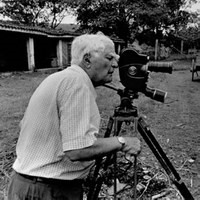
Mauro, Humberto

Volta Grande (Brasil), 1897-1983

By Luiz Felipe Alves de Miranda

Humberto Mauro was the great Brazilian director of silent cinema and the early years of sound. A creator of the avant-garde Cataguases film cycle, his first feature film was Na primavera da vida (1926). He filmed the adventure Tesouro perdido (1927) and the romantic dramas Brasa dormida (1928) and Sangue mineiro (1929). He moved to Rio de Janeiro, where he was invited to make films for the Cinédia studios, beginning with a modern romantic film, Lábios sem beijos (1930). In 1933, he released two films: the one considered his masterpiece, Ganga bruta, and a highly personal film, the documentary A voz do carnaval, co-directed with Adhemar Gonzaga. He later joined Brasil Vita Filmes and directed the popular hit Favela dos meus amores (1935), as well as Cidade-mulher (1936), which did not achieve the same success, and the drama Argila (1940). In 1936, he joined the Instituto Nacional de Cinema Educativo (INCE), where he remained for about three decades, making a large number of short films and documentaries. He directed the historical film Descobrimento do Brasil (1937). He ended his career with the rural romantic work O canto da saudade (1952).