O SyMB Lab trabalha com dois ramos da Biologia: a Biologia Sintética e a Biologia Molecular. Essas duas áreas, embora diferentes, possuem diversas similaridades entre si e com outras áreas do ramo, como: a Engenharia Genética, a Biologia Computacional, Bioquímica, Microbiologia, Biomedicina, e muitas outras. A equipe do laboratório é encorajada a explorar a fundo não apenas o seu ramo de pesquisa principal, mas também expandir sobre ramos paralelos, buscando sempre desenvolver trabalhos que ajudem a avançar a Ciência Brasileira e aprofundem seus próprios conhecimentos.


A Biologia Molecular foi o foco inicial do laboratório, mais especificamente, a modificação genética de fungos filamentosos, que é a área de pesquisa do fundador Fernando Segato. Ao longo dos anos novos membros trouxeram suas próprias perspectivas e linhas de pesquisa e o laboratório cresceu, tanto em variedade de pesquisas quanto em espaço físico. Atualmente nosso estoque contém diferentes espécies destes organismos filamentosos, assim como muitos outros necessários para o desenvolvimento de pesquisas e projetos na área da Biologia. Saiba Mais!
O conceito de pesquisas na área de Biologia Sintética foi introduzido para o laboratório através do Clube de Biologia Sintética, cuja participação em competições internacionais vem acumulando medalhas desde 2016. Atualmente, muitas das práticas e técnicas desenvolvidas nestas competições foram incorporadas pelo laboratório e são utilizadas frequentemente em pesquisas. Saiba Mais!
Lytic polysaccharide monooxygenases (LPMOs) have been introduced into industrial cocktails used for biomass saccharification due to their capacity to boost enzymatic conversion of recalcitrant cellulose. The genome of the thermotolerant ascomycete Aspergillus fumigatus encodes 7 genes for LPMOs that belong to auxiliary activity family 9 (AA9). Here, we cloned, successfully expressed and performed biochemical evaluation of two CBM-less A. fumigatus LPMOs (AfAA9A and AfAA9B).
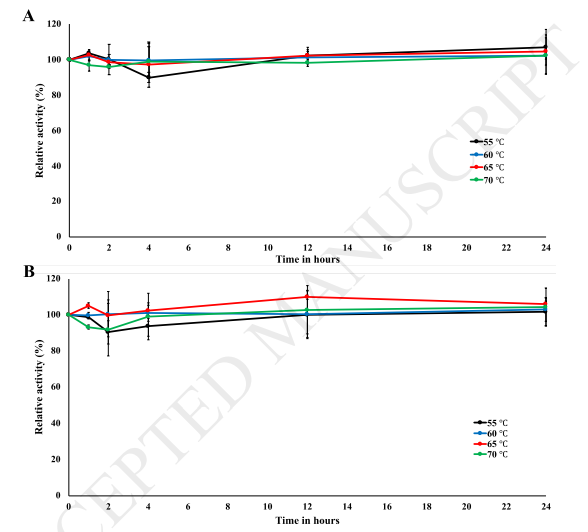
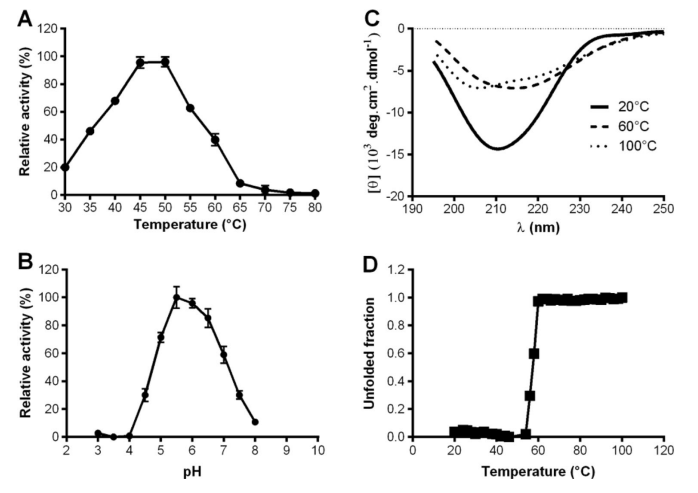
Arabinanases from glycoside hydrolase family GH93 are enzymes with exo-activity that hydrolyze the α-1,5 bonds between arabinose residues present on arabinan. Currently, several initiatives aiming to use byproducts rich in arabinan such as pectin and sugar beet pulp as raw material to produce various compounds of interest are being developed. However, it is necessary to use robust enzymes that have an optimal performance under pH and temperature conditions used in the industrial processes.
Lignocellulosic materials are abundant, renewable and are emerging as valuable substrates for many industrial applications such as the production of second-generation biofuels, green chemicals and pharmaceuticals. However, the recalcitrance and the complexity of cell wall polysaccharides require multiple enzymes for their complete conversion to oligo- and monosaccharides. The endoglucanases from GH45 family are a small and relatively poorly studied group of enzymes with potential industrial application.
Several efforts have been made in developing strategies to supply the enzyme market, as well as in reducing its costs. It includes the selection of an appropriate enzyme source and the optimization of enzyme properties and secretion. Carbohydrate-Active Enzymes (CAZymes) are industrially relevant biocatalysts that are capable of degrading plant cell wall biomass. The most important secreted enzymes related to plant cell wall decomposition are cellulases, hemicellulases, and auxiliary enzymes. These enzymes have been applied in the hydrolysis of plant biomass for the production of second-generation (2G) ethanol and several other high added value products.
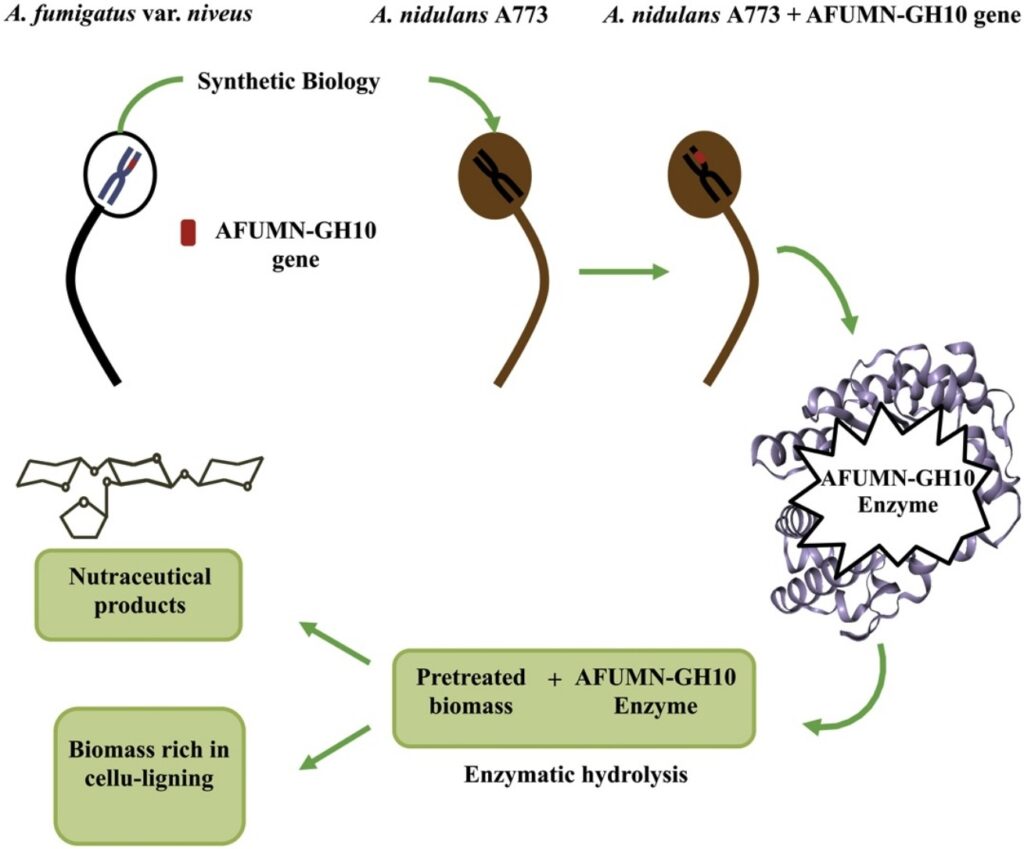
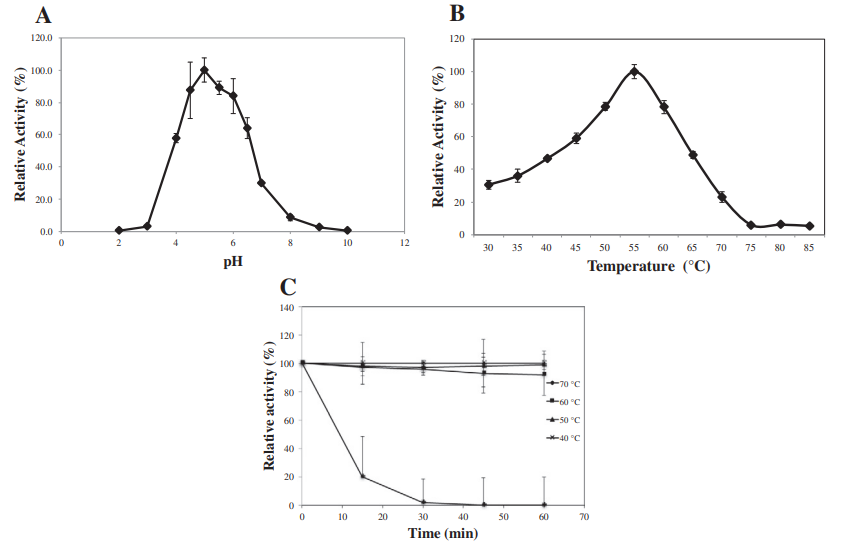
Xylanases decrease the xylan content in pretreated biomass releasing it from hemicellulose, thus improving the accessibility of cellulose for cellulases. In this work, an endo-β-1,4-xylanase from Aspergillus fumigatus var. niveus (AFUMN-GH10) was successfully expressed. The structural analysis and biochemical characterization showed this AFUMN-GH10 does not contain a carbohydrate-binding module.
The plant cell wall is the most abundant carbon reservoir in nature and is a renewable source of biofuels. To break down this biomass and convert it into fermentable sugars, a set of multiple enzymes is needed. Here, we characterize the enzymatic repertoire necessary for the degradation of sugarcane bagasse “in natura” and pre-treated using Aspergillus clavatus as a model. 135 unique peptides were identified by Mass Spectrometry MS/MS. 23 of these proteins belong to classes of enzymes involved in biomass degradation and were differentially expressed on various substrates.
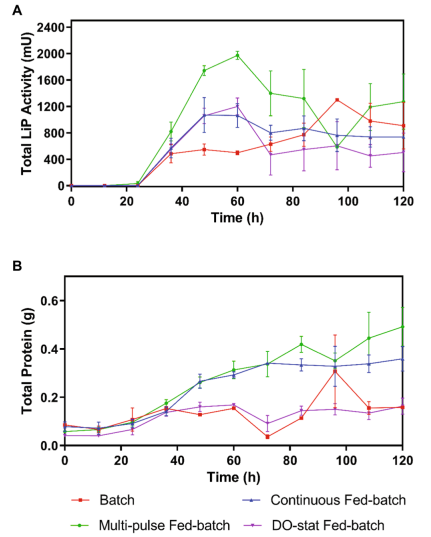
Enzymatic lignin depolymerization is considered a favorable approach to utilize lignin due to the higher selectivity and less energy requirement when compared to thermochemical lignin valorization. Lignin peroxidase (LiP) is one of the key enzymes involved in lignin degradation and possesses high redox potential to oxidize non-phenolic structures and phenolic compounds in lignin. However, the production of LiP is mainly from white-rot fungi at small scales.
Lytic polysaccharide monooxygenases (LPMOs), monocopper enzymes that oxidatively cleave recalcitrant polysaccharides, have important biotechnological applications. Thermothelomyces thermophilus is a rich source of biomass-active enzymes, including many members from auxiliary activities family 9 LPMOs. Here, we report biochemical and structural characterization of recombinant TtLPMO9H which oxidizes cellulose at the C1 and C4 positions and shows enhanced activity in light-driven catalysis assays. TtLPMO9H also shows activity against xyloglucan.
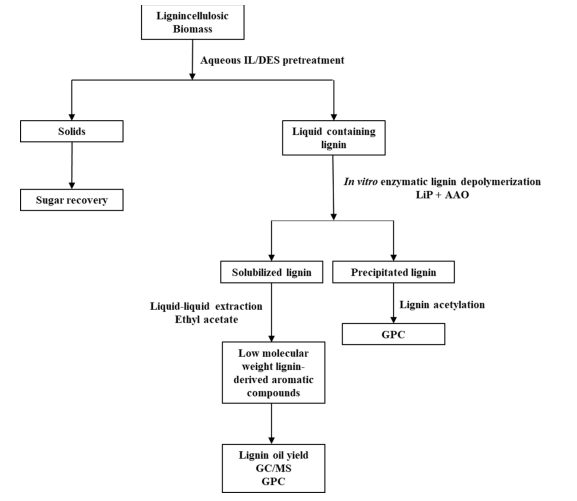
Enzymatic depolymerization of lignin to produce low molecular weight products requires mild reaction conditions and exhibits higher selectivity compared to thermochemical lignin depolymerization. However, it remains challenging to depolymerize lignin enzymatically, partially due to the low solubility of lignin in aqueous phase. This study aimed to develop a novel approach to combine aqueous lignin extraction with enzymatic lignin depolymerization in biocompatible ionic liquids.
Lytic Polysaccharide MonoOxygenases display great variability towards cellulose ultrastructure while performing oxidative functionalization of the polymers. Aiming at employing AA9-LPMOs for isolation of cellulose nano-crystals (CNCs), the ratio between functionalization/crystalline degradation became a crucial parameter.
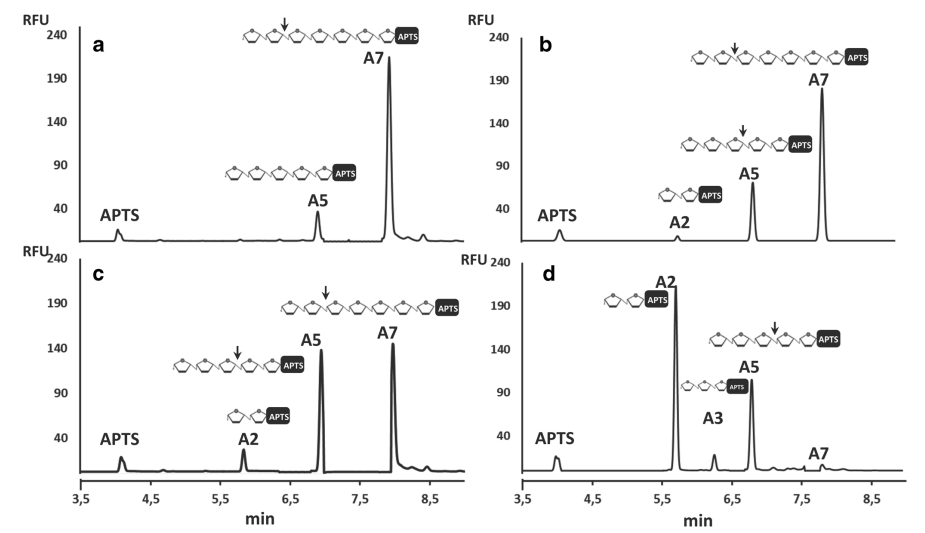
The present work studied the optimization of aeration rate, agitation rate and oxygen transfer and the use of various batch fermentation strategies for xylanase production from a recombinant Aspergillus nidulans strain in a 3 L stirred tank reactor. Maximum xylanase production of 1250 U/mL with productivity of 313 U/mL/day was obtained under an aeration rate of 2 vvm and an agitation rate of 400 rpm using batch fermentation.
The polysaccharides in the primary plant cell wall are a renewable energy source for biofuel production. However, these polysaccharides are not readily available for bioconversion, and large enzyme sets are required to deconstruct them. Here, we aimed to improve the glucan conversion using recombinant hemicellulases and esterase as a treatment in exploded and sugarcane bagasses (SCB), followed by the addition of commercial CBH I to prevent its inhibition by hemicellulases products. A high secretion level of the recombinant enzymes was observed on SDS-PAGE.
The ability of white-rot fungi to degrade polysaccharides in lignified plant cell walls makes them a suitable reservoir for CAZyme prospects. However, to date, CAZymes from these species are barely studied, which limits their use in the set of choices for biomass conversion in modern biorefineries.
The fungus Thermothielavioides terrestris plays an important role in the global carbon cycle with enzymes capable of degrading polysaccharides from biomass, therefore an attractive source of proteins to be investigated and understood. From cloning to a three-dimensional structure, we foster a deeper characterization of an α-ʟ-arabinofuranosidase, a glycoside hydrolase from the family 62 (TtAbf62), responsible to release arabinofuranose from non-reducing ends of polysaccharides.
página não encontrada
Ferulic acid and its hydroxycinnamate derivatives represent one of the most abundant forms of low molecular weight phenolic compounds in plant biomass. Feruloyl esterases are part of a microorganism’s plant cell wall-degrading enzymatic arsenal responsible for cleaving insoluble wall-bound hydroxycinnamates and soluble cytosolic conjugates.
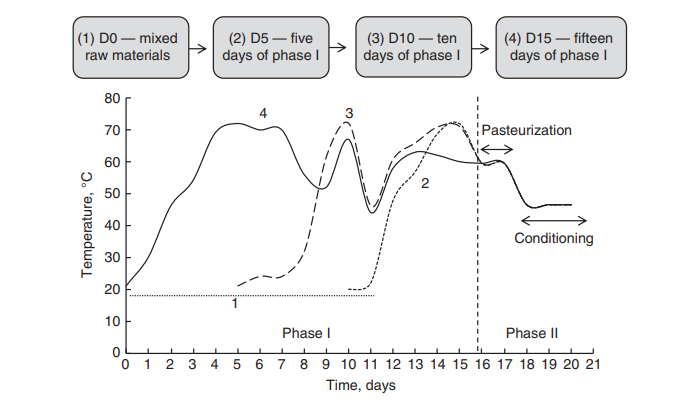
To investigate characterization of the bacterial community composition and functionality and their impact on substrate biodegradation as well as mushroom yield.
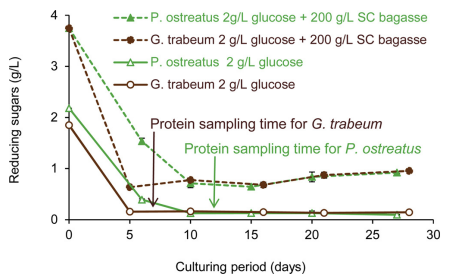
Secretome evaluations of lignocellulose-decay basidiomycetes can reveal new enzymes in selected fungal species that degrade specific substrates. Proteins discovered in such studies can support biorefinery development. Brown-rot (Gloeophyllum trabeum) and white-rot (Pleurotus ostreatus) fungi growing in sugarcane bagasse solid-state cultures produced 119 and 63 different extracellular proteins, respectively.
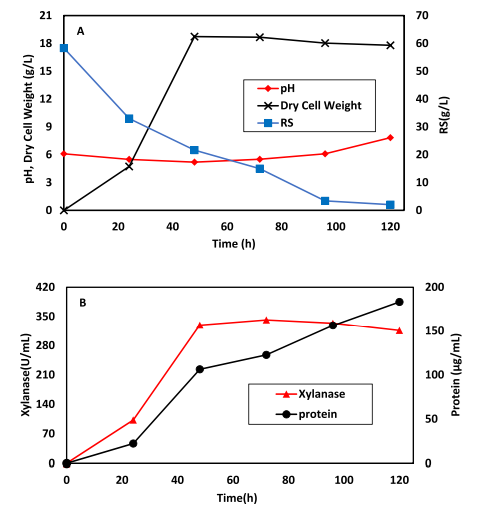
The goal of this study was to optimize a nutrient medium to maximize production of endo-β-1,4-xylanase (hereafter referred to as xylanase) using an Aspergillus nidulans modified by integration of an AFUMN-GH10 gene from Aspergillus fumigatus var. niveus. This modification resulted in high-yield secretion and accumulation of recombinant protein. Xylanases are an industrially relevant enzyme class used in food production and bioprocessing.
The cellulases from Glycoside Hydrolyses family 12 (GH12) play an important role in cellulose degradation and plant cell wall deconstruction being widely used in a number of bioindustrial processes. Aiming to contribute toward better comprehension of these class of the enzymes, here we describe a high-yield secretion of a endoglucanase GH12 from Aspegillus terreus (AtGH12), which was cloned and expressed in Aspergillus nidulans strain A773.
Resistance to antifungals is a leading concern in the treatment of human mycoses. We demonstrate that the salA gene, encoding salicylate 1-monooxygenase, is involved in resistance of the dermatophyte Trichophyton rubrum to terbinafine, one of the most effective antifungal drugs against dermatophytes. A strain with multiple copies of salA was constructed and exhibited elevated expression of salA and increased terbinafine resistance. This reflects a mechanism not yet reported in a pathogenic fungus.
Xyloglucan is the most abundant hemicellulose in primary walls of spermatophytes except for grasses. Xyloglucan-degrading enzymes are important in lignocellulosic biomass hydrolysis because they remove xyloglucan, which is abundant in monocot-derived biomass. Fungal genomes encode numerous xyloglucanase genes, belonging to at least six glycoside hydrolase (GH) families. GH74 endo-xyloglucanases cleave xyloglucan backbones with unsubstituted glucose at the −1 subsite or prefer xylosyl-substituted residues in the −1 subsite. In this work, 137 GH74-related genes were detected by examining 293 Eurotiomycete genomes and Ascomycete fungi contained one or no GH74 xyloglucanase gene per genome.
Cryptococcosis is a leading invasive fungal infection in immunocompromised patients. Considering the high prevalence and severity of these infections in immunocompromised patients attended at HC-FMRP-USP, the present research aimed to characterize the clinical isolates of Cryptococcus strains by biochemical and molecular methods and evaluate antifungal susceptibility of clinical isolates.
Plant materials represent a strategic energy source because they can give rise to sustainable biofuels through the fermentation of their carbohydrates. A clear example of a plant-derived biofuel resource is the sugar cane bagasse exhibiting 60–80% of fermentable sugars in its composition. However, the current methods of plant bioconversion employ severe and harmful chemical/physical pretreatments raising biofuel cost production and environmental degradation.
Filamentous fungi are attractive hosts for heterologous protein expression due to their capacity to secrete large amounts of enzymes into the extracellular medium. Xyloglucanases, which specifically hydrolyze xyloglucan, have been recently applied in lignocellulosic biomass degradation and conversion in many other industrial processes. In this context, this work aimed to clone, express, and determine the functional properties of a recombinant xyloglucanase (AtXEG12) from Aspergillus terreus, and also its solid-state (SSF) and submerged (SmF) fermentation in bioreactors.
Glycoside hydrolases (GHs) and accessory proteins are key components for efficient and cost-effective enzymatic hydrolysis of polysaccharides in modern, biochemically based biorefineries. Currently, commercialized GHs and accessory proteins are produced by ascomycetes. However, the role of wood decay basidiomycetes proteins in biomass saccharification has not been extensively pursued. Wood decay fungi degrade polysaccharides in highly lignified tissues in natural environments, and are a promising enzyme source for improving enzymatic cocktails that are designed for in vitro lignocellulose conversion.
Current cellulosic biomass hydrolysis is based on the one-time use of cellulases. Cellulases immobilized on magnetic nanocarriers offer the advantages of magnetic separation and repeated use for continuous hydrolysis. Most immobilization methods focus on only one type of cellulase. Here, we report co-immobilization of two types of cellulases, β-glucosidase A (BglA) and cellobiohydrolase D (CelD), on sub-20 nm superparamagnetic nanoparticles. The nanoparticles demonstrated 100% immobilization efficiency for both BglA and CelD.
Vulvovaginal candidiasis is an opportunistic infection that affects most women in adult life, but the defense mechanism remains to be elucidated. Animals treated with estradiol were inoculated with Candida albicans having high virulence power. The experimental control consisted of animal groups treated with estradiol and animals without treatment that were inoculated with physiologic serum. The vaginal wall was collected, at different times. The material was destined to the counting of Colony Forming Units (CFU), detection of PGE2, IgE and histological staining (hematoxylin and eosin, silver and toluidine blue) for the study of the infected vaginal section.
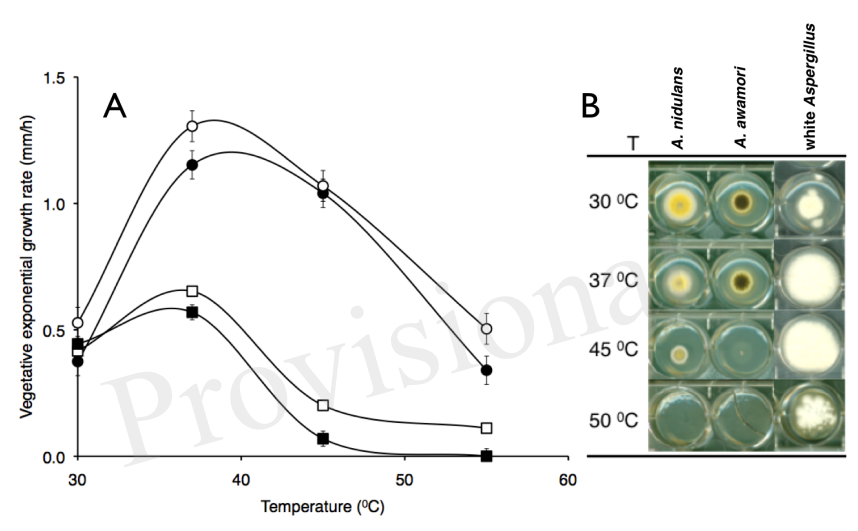
Biotechnologists are interested in thermo tolerant fungi to manufacture enzymes active and stable at high temperatures, because they provide improved catalytic efficiency, strengthen enzyme substrate interactions, accelerate substrate enzyme conversion rates, enhance mass transfer, lower substrate viscosity, lessen contamination risk and offer the potential for enzyme recycling.
Biomass is constructed of dense recalcitrant polymeric materials: proteins, lignin, and holocellulose, a fraction constituting fibrous cellulose wrapped in hemicellulose-pectin. Bacteria and fungi are abundant in soil and forest floors, actively recycling biomass mainly by extracting sugars from holocellulose degradation. Here we review the genome-wide contents of seven Aspergillus species and unravel hundreds of gene models encoding holocellulose-degrading enzymes.
Acriflavin (3,6-acridinediamine) and other acridine derivatives act in both prokaryotic and eukaryotic cells at the level of DNA-coiling enzymes (topoisomerases) causing the stabilization of the enzyme-DNA cleavable complex. In order to better understand the mode of action of acriflavin, Differential Display RT-PCR was used to isolate transcripts specifically over-expressed during exposure of Trichophyton rubrum mycelia to this drug. Five transcripts, whose differential expressions were confirmed by Northern blotting, revealed genes not previously described in this dermatophyte. Functional grouping identified putative enzymes possibly involved in the mitochondrial respiratory electron-transport chain and in iron transport. These results may be relevant to our understanding of the molecular events involved in the stress response of T. rubrum to acriflavin.
| wdt_ID | wdt_created_by | wdt_created_at | wdt_last_edited_by | wdt_last_edited_at | Artigos Publicados | Link de Acesso: |
|---|---|---|---|---|---|---|
| 3 | segato | 09/10/2025 01:36 PM | segato | 09/10/2025 01:36 PM | The profile secretion of Aspergillus clavatus: Different pre-treatments of sugarcane bagasse distinctly induces holocellulases for the lignocellulosic biomass conversion into sugar | https://doi.org/10.1016/j.renene.2020.11.072 |
| 4 | segato | 09/10/2025 01:37 PM | segato | 09/10/2025 01:37 PM | Fed-batch production of Thermothelomyces thermophilus lignin peroxidase using a recombinant Aspergillus nidulans strain in stirred-tank bioreactor | https://doi.org/10.1016/j.biortech.2021.124700 |
| 5 | segato | 09/10/2025 09:43 PM | segato | 09/10/2025 09:43 PM | Light-stimulated T. thermophilus two-domain LPMO9H: low-resolution SAXS model and synergy with cellulases | https://doi.org/10.1016/j.carbpol.2021.117814 |
| 6 | segato | 09/10/2025 09:44 PM | segato | 09/10/2025 09:44 PM | Exploring lignin depolymerization by a bi-enzyme system containing aryl alcohol oxidase and lignin peroxidase in aqueous biocompatible ionic liquids | https://doi.org/10.1016/j.biortech.2021.125564 |
| 7 | segato | 09/10/2025 09:44 PM | segato | 09/10/2025 09:44 PM | Polymer ultrastructure governs AA9 lytic polysaccharide monooxygenases functionalization and deconstruction efficacy on cellulose nano-crystals | https://doi.org/10.1016/j.biortech.2021.126375 |
| 8 | segato | 09/10/2025 09:45 PM | segato | 09/10/2025 09:45 PM | Optimization of process parameters and fermentation strategy for xylanase production in a stirred tank reactor using a mutant Aspergillus nidulans strain | https://doi.org/10.1016/j.btre.2020.e00457 |
| 9 | segato | 09/10/2025 09:45 PM | segato | 09/10/2025 09:45 PM | Effect of enzymatic pretreatment of sugarcane bagasse with recombinant hemicellulases and esterase prior to the application of the cellobiohydrolase CBH I Megazyme® | https://doi.org/10.1007/s13399-020-00719-9 |
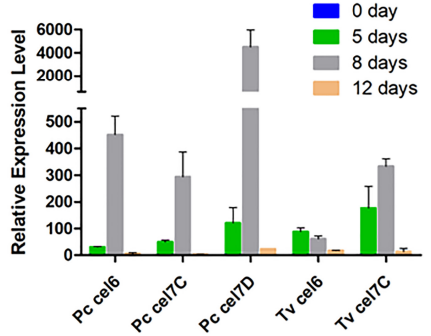
| 10 | segato | 09/10/2025 09:45 PM | segato | 09/10/2025 09:45 PM | The Secretome of Phanerochaete chrysosporium and Trametes versicolor grown in microcrystalline cellulose and use of the enzymes for hydrolysis of lignocellulosic materials | https://doi.org/10.3389/fbioe.2020.00826 |
| 11 | segato | 09/10/2025 09:45 PM | segato | 09/10/2025 09:45 PM | Functional and structural characterization of an α-L-arabinofuranosidase from Thermothielavioides terrestris and its exquisite domain-swapped β-propeller fold crystal packing | https://doi.org/10.1016/j.bbapap.2020.140533 |
| 12 | segato | 09/10/2025 09:46 PM | segato | 09/10/2025 09:46 PM | Feruloyl esterases: Biocatalysts to overcome biomass recalcitrance and for the production of bioactive compounds | https://doi.org/10.1016/j.biortech.2019.01.064 |
| Artigos Publicados | Link de Acesso: |