Modern electrochemical research relies heavily on automated instrumentation and computer-based data acquisition. While these tools accelerate experimentation and streamline workflows, they often distance the researcher from a deep understanding of the intrinsic advantages, limitations, and mechanistic implications of each electrochemical technique. As a result, many researchers face challenges when selecting the most appropriate electrochemical or spectroscopic method to address a specific scientific question in energy storage, electrocatalysis, or sensing.
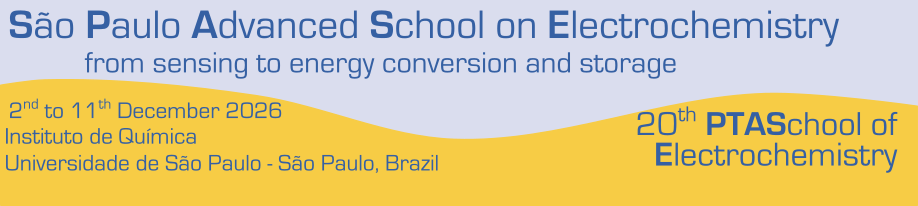
The central goal of this Advanced School is to provide a solid theoretical and experimental foundation that enhances participants’ understanding of charge-transfer phenomena and electrode processes relevant to next-generation batteries, catalytic interfaces, and electrochemical sensors. Through a carefully designed combination of lectures, laboratory modules, and data-analysis sessions, the school aims to strengthen proficiency in advanced electrochemical techniques and improve the effective use of modern computational tools that accompany current instrumentation.
The program is structured to promote comprehensive knowledge integration, correlating fundamental principles with practical applications in electrochemical energy conversion, electrocatalytic mechanisms, and analytical/sensing methodologies. Participants will gain expertise not only in traditional electroanalytical tools but also in state-of-the-art methodologies relevant to emerging energy and catalytic technologies.
The Advanced School is intended for graduate students, early-career researchers, and professionals from academia and industry. To ensure meaningful hands-on experience and full access to laboratory equipment, enrollment will be limited. Selection will be based on academic background, scientific motivation, and the alignment between the candidate’s research goals and the School’s themes.