


Objectives:
This project aims to prepare and use synthetic porous nanoparticles tailored to improve soil ecosystem functions and carbon sequestration.
The general objectives are:
(i) increase the potential of the soil to store CO2;
ii) contribute to slow down the biogeochemical cycles of Nitrogen (N), Sulfur (S), Carbon (C) and water, through the addition of nanoparticles;
iii) assist in resilience to extreme weather events by improving agricultural and environmental performance.
Partnership and financing: Shell Brasil.
We gratefully acknowledge the support of the RCGI – Research Centre for Greenhouse Gas Innovation (23.1.8493.1.9), hosted by the University of São Paulo (USP) and sponsored by FAPESP – São Paulo Research Foundation (2020/15230-5) and Shell Brasil, as well as the strategic importance of the support given by ANP (Brazil’s National Oil, Natural Gas and Biofuels Agency) through the R&DI levy regulation.
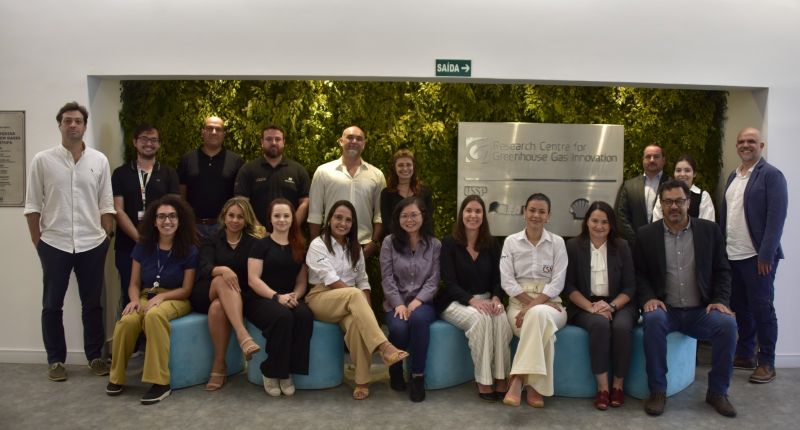
Team: The project team is multidisciplinary, with more than 40 years of experience in soil mineralogy, sensors for tropical soils, and the synthesis of new materials. Agricultural Engineers, Chemists, Biologists, Computer Engineers and Administrators work collaboratively. The studies include the synthesis of new materials tailored for tropical soils, trials in a greenhouse, and experimental units in productive areas in Minas Gerais and São Paulo. The team aims for positive impacts and sustainable solutions, focusing on the soil, where agribusiness and most of nature’s solutions begin.
In the media:
Startups brasileiras de alta tecnologia somam esforços para a transição energética
Novas técnicas apuram identidade dos solos
Startups de alta tecnologia terão papel fundamental na transição energética
Overall Coordination:
Liane Marcia Rossi – Chemistry Institute (IQ)/University of São Paulo
Link FAPESP.
University Representative:
José Marques Júnior – Research Groups CSME/UNESP Jaboticabal
Link FAPESP.
DeepTechs Representatives (technological startups):
Dagoberto de Oliveira Silva – Executive Director MofTech
Link Lattes.
Diego Silva Siqueira – Executive Director Quanticum
Link FAPESP.