


7-9 de noviembre
no Auditorio CDI USP.
Auditório do CDI USP
Av. Prof. Lúcio Martins Rodrigues, 310 - Butantã, São Paulo
ETRI 2023 Chairman – RCGI
Prof. Julio Meneghini – RCGI Scientific Director, University of São Paulo
Dr. Karen Louise Mascarenhas – ETRI 2023 Chair
Olivier Wambersie – General Manager R&D and Innovation, Shell (To be Confirmed)
Dr. Carlos Américo Pacheco – Chief Executive Officer Technical and Administrative, FAPESP
Prof. Vahan Agopyan – State Secretariat of Science, Tecnology & Innovation
Daniel Maia Vieira – Technical Director National Agency for Petroleum, Natural Gas and Biofuels (ANP)
Prof. Carlos Carlotti – Dean USP
Brazil’s Role in the Global Energy TransitionOpening Ceremony
Chair: Camila Farias (Shell Brasil)
Shell (TBA) – To Be Appointed
Kazuo Nishimura – OTIC Executive & Scientific Director
Panel 1: Energy Transition to Combat Climate Change: What Policies Are Necessary?
Chair: Patricia Iglesias (SGA-USP)
Vahan Agophian (State Secretariat of Science, Technology and Innovation)
Marisa Maia Barros (Vice secretaria)
Angela Oliveira da Costa (EPE)
Plinio Nastari (Datagro)
Fabio Feldman (Fabio Feldman Consultores)
Brazilian NDCs: the way forward
Chair: Suani T. Coelho (IEE / RCGI – USP)
Ambassador André Correa do Lago – former Ambassador of Brazil to Japan and India and currently Secretary of Climate, Energy and Environment of Itamaraty
Chair: Paulo Artaxo (Physics Institute – USP)
Carlos Nobre – (Institute of Advanced Studies – USP)
Panel 2 – How Can Technology & Research & Innovation Support Energy Transition?
Chair: Julio Meneghini
Anthony Kucernak (Imperial College London, UK)
Andre Faaij (Ultrech University, Netherlands)
Chinnakinda S. Gopinath (NCL, India)
Ana Flavia Nogueira (UNICAMP – CINE, Brazil)
Paulo Artaxo (USP, Brazil)
Alexandre Breda (Shell Brasil)
0711 – NBS1 (TV1)
NBS Aldo Cerri – Mauricio Cherubin
0711 – CCUS2 (TV2)
CCUS Colombo – Renato Gonçalves
0711 – PS8 (TV3)
PS Salles – Monaro
0711 – GHG4 (TV4)
GHG Emilio – Luis Fernando Sá
Welcome and notices
Panel 3 – Pathways to achieve Net Zero
Chair: Carlos Frederico de Oliveira Graeff, FAPESP
Carlos Eduardo Cerri (NBS – Nature Based Solution)
Pedro Vidinha (CCU – Carbon Capture and Utilization)
Marcos Buckeridge (BECCS – Bioenergy with Carbon Capture and Storage)
Emilio Nelli Silva (GHG – Greenhouse Gas Technologies)
Edmilson Moutinho dos Santos (Advocacy)
Maurício Salles (Innovation Power Systems)
0811 – SRS5 (TV1)
SRS Edilmilson – Sigmar
0811 – BECCUS3 (TV2)
BECCUS Hamilton – Buckeridge
0811 – CCUSS7 (TV3)
CCUS Lucy – Renato Gonçalves
0811 – PS10 (TV3)
PS Salles – Monaro
0811 – EnvSG9 (TV4)
Suani Coelho – Edmilson M dos Santos
0811 – NBS15 (TV3)
NBS Carlos Cerri – Maurício Cherubin
0811 – CCUS11 (TV3)
Cristina Fernanda Alves Rodrigues – Renato Gonçalves
0811 – PS16 (TV4)
Maurício Salles – Renato Monaro
Panel 4 – Carbon Credits and Economics as key enablers for the energy transition
Chair: Virginia Parente
Ariaster Baumgrat Chimeli (FEA – USP)
Gesner Oliveira (GO Associados / FGV)
Viviane Romeiro (CEBDS)
Agnes Maria de Aragão da Costa (ANEEL)
0911 – NBS17 (TV1)
Carlos Cerri – Maurício Cherubin
0911 – PS22 (TV2)
Maurício Salles – Renato Monaro
0811 – CCUS14 (TV2)
Cristina Fernanda Alves Rodrigues – Pedro Vidinha
0811 – GHG12 (TV4)
Renato Picelli – Fernando Sacomano
Panel 5 – What is the role of the star-ups in the Energy Transition?
Chair: Isabela Morbach (CCS Brasil)
Alexsandro Kirch (Multiscale)
Dagoberto Silva (Moftech)
Deise Nogueira (Quanticum)
Maitê Lippel Gothe (Carbonic)
Marcelo Rodrigues (Krilltech)
Nathalia Weber (CCS Brasil)
Welcome and notices
Panel 6 – The Role of Women in Energy Transition aiming to achieve the Sustainable Development Goals
Chair: Karen L. Mascarenhas (RCGI – USP)
Camila Farias (Shell)
Elbia Gannoun (ABeeolica)
Suani T. Coelho (RCGI – IEE – USP / GBio)
Telma Teixeira Franco (UNICAMP)
Virginia Parente (IEE – USP)
0911 – ETE6 (TV1)
Virginia Parente – Suani Coelho
0911 – CCUS18 (TV2)
Lucy Gomes Sant Anna – Pedro Vidinha
0911 – SRS19 (TV3)
Edmilson M. dos Santos – Karen Mascarenhas
0911 – GHG20 (TV4)
Renato Picelli – Guenther Krieger Filho
Panel 7 – The evolution of the SDGs in Brazil
Chair: Suani T. Coelho (IEE / RCGI – USP)
Arnaldo Jardim (Chamber of Deputies)
Patricia Iglecias (SGA-USP)
Carlos Pereira (UN Global Compact)
Ana Paula Fava (CETESB)
0911 – EMS21 (TV1)
Alberto Fossa – Maurício Salles
0811 – BECCUS13 (TV1)
André Dourado – Marcos Buckeridge
0911 – GHG23 (TV3)
Renato Picelli – Marcelo Sekler
0911 – CCUS24 (TV4)
Lucy Gomes Sant Anna – Renato Gonçalves
Chair: Thiago Lopes (RCGI)
Nigel Brandon OBE FREng FRS – Dean of the Faculty of Engineering at Imperial College London
Panel 8 – Highlights & Challenges of the Brazilian Energy Transition
Chair: Alberto Fossa (Co-Chair of the Scientific Committee)
Scientific Committee Members
ETRI 2023 Excellence Award

This thematic track involves the restoratin of native vegetation, expansion of integrated agricultural systems and the restoration of pasture areas. In addition, the track also considers techniques to restore vegetation, re-establishing native species. In this way, the soil will accumulate a high biodiversity of plant substrates that should stimulate its microbial biomass, resulting in potential carbon fixation in the soil.
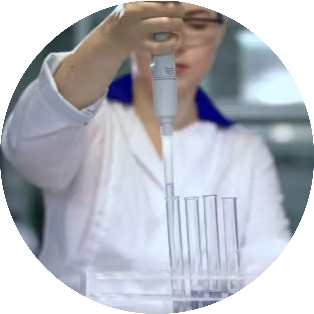
This thematic track focuses to create value from CO2 emissions through the design of integrated processes for CO2 capture and conversion. In this concept, CO2 is considered a valuable chemical building block for fuels and materials. This track also includes technologies used in CO2 storage in geological structures and other types.

This thematic track involves technologies or a set of technologies that associate biomass energy with carbon capture use and storage, a process always carried out on a large scale. With this it is possible to sequestre carbon from the atmophere. Works that present the technologies and their contribution to building a positive public perception of BECCUS influencing the design of public sustainability politicies for the Brazilian energy systems are included.
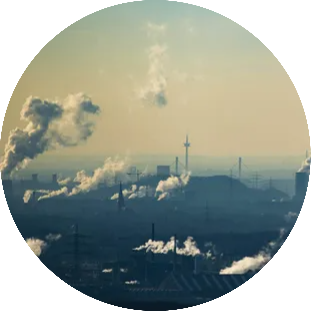
The Greenhouse Gas (GHG) Programme is dedicated to study technologies related to Measurement and quantification of GHG emissions; Mitigation of GHG emissions, such as, pneumatic machines and devices in general, Chemical looping combustion and Oxy-fuel combustion; Adsorption systems for CO2 capturing from flue gases; Deep eutectic solvents for CO2 capture from flue gases; and Membranes for CO2 capture from flue gases.

This thematic track is related to the development of documents for climate change, sustainable and decarbonization fields, such as requirements standards, specifications and guides, which can be used to consistently ensure that material, products, processes and sevices are suitable for its purposes. This track also supports policies to provide the energy transition and societal engagement, achieved by the understanding of the social perception and acceptance of all stakeholders as well as the lay public, establishing an open dialogue with society. Works and studies in these areas are key to support technology transition and implementation.

This track intends to receive papers to discuss environmental impact and social aspects of Energy Transition including but not limited to gender and justice issues, energy access and safety, poverty aliviation, women participation, development of economic activities among others.
Economic papers of energy transition, including economic feasibility of renewables and non renewables, as well as how carbon credits can contribute to Energy Transition feasibility. What are the challenges and benefits for policies related to carbon credits, as well as SWOT analysis.
This track involves energy management as an opportunity to enable organizations across all sectors to realize on-going energy consumiption reducion and related GHG emissions reduction. This thack includes activities and technologies for estalishment, implementation and maintanance of energy management systems, monitoring and measuring energy performance for continual improvment; identifying, quantifying, verifying, validating and reporting energy performance improvements; energy security; energy savings calculations; terminology, competencey and conformity assessment in this field.

This thematic track seeks to present innovative and sustainable solutions focused on the decarbonization of electrical power systems. It includes but not limited to aspects such as eco-efficient materials, increased availability and efficiency of electricity production, optimization of distributed energy resources and integration with agriculture, digitalization of eletricity.
Natural Based Solutions (NBS)
Greenhouse Gas Technologies (GHG)
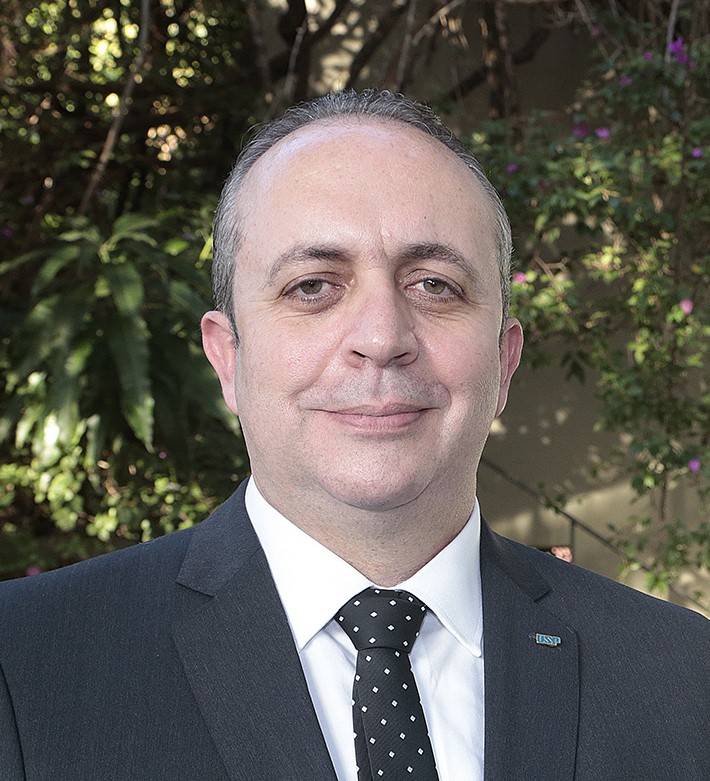
Bioenergy with Carbon Capture Utilization and Storage (BECCUS)
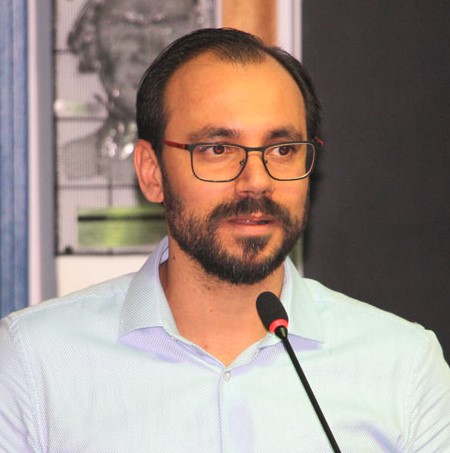
Carbon Capture Utilization and Storage (CCUS)
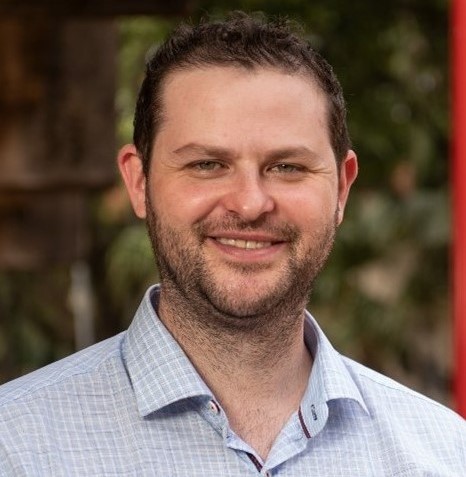
Nature Based Solutions (NBS)
Carbon Capture Utilization and Storage (CCUS)
Carbon Credits & Economics
Carbon Capture Utilization and Storage (CCUS)
Environmental & Social & Gender
Standardization, Regulation, Social Perception & Acceptance
Power & Storage
Power & Storage
Natural Based Solutions (NBS)
Standardization, Regulation, Social Perception & Acceptance
Greenhouse Gas Technologies (GHG)
Power & Storage
Greenhouse Gas Technologies (GHG)
Carbon Capture Utilization and Storage (CCUS)
Bioenergy with Carbon Capture Utilization and Storage (BECCUS)
Communication & Dissemination of Knowledge Manager - RCGI.
Postdoctoral researcher at IEE/USP, within the scope of RCGI.



Director of Human Resources and Institutional Communication at RCGI
Deputy Coordinator of the project “Social Perception and Science Diplomacy for the Technology Transition towards a Low-Carbon Society” at RCGI
Since 2016 serves as Director of Human Resources and Leadership Management for the RCGI – Research Centre for Gas Innovation located at the Polytechnic School of the University of São Paulo (USP), funded by FAPESP (São Paulo State Funding Agency) and Shell Brasil. In 2021 she became the deputy coordinator of the project “Social Perception and Science Diplomacy in the Technology Transition towards a Low-Carbon Society”. And in 2023, after concluding her PhD, she assumed the Directory of Institutional Communication and Human Resources. She has a degree in Psychology from the University of São Paulo (USP), a post-graduation in Administration from Fundação Getúlio Vargas (FGV), a master’s in Social Psychology from Pontificia Universidade Católica (PUC-SP) and PhD in Social Psychology from the University of São Paulo (USP), with a year as researcher at Imperial College London. Before, developed approximately 18 years of experience in companies as Unilever, Andersen Consulting (Accenture), Chase Manhattan Bank (JP Morgan Chase), Banco Itaú, and Grupo VR (Sodexo), growing in her career from analyst to director. Worked in Human Resources and Change Management consulting for more than 15 years, focused on Coaching, Career Management, Leadership and Team Development, Mentoring Programs, Change Management and Organisational Culture, among others. Serves as a Visiting Professor at Fundação Getúlio Vargas (FGV) for the post-graduation program since 2009.
Low-Carbon Technology Manager – Shell.
Alexandre Breda joined Shell Brazil in December 2013; he holds a B.Sc. degree in Mechanical Engineering from Unicamp (University of Campinas) with a MBA degree in Energy from USP (University of Sao Paulo).
Alexandre has 23 years of experience in energy companies with a solid experience in innovation, energy transition, R&D and climate change.
Currently, he is the Manager for Low-Carbon & Energy Transition Technology responsible for a portfolio including NBS (nature-based solutions), CCUS (carbon capture, utilization and storage) and renewables (solar, sind, batteries and hydrogen).
Technical Advisor to the Institutional and International Department at CETESB, the Environmental Company of the State of São Paulo.
Ana Paula Fava has a degree in Psychology from the Pontifical Catholic University of São Paulo, an MBA in Cultural Management from Fundação Getúlio Vargas. Over the course of sixteen years (2000 – 2016) at the State Secretariat for the Environment, he served as assistant for international affairs to Prof. José Goldemberg (2008–2016), in the recovery of the Pomar Project (2007 – 2008) and as head of the international area (2009–2016). He accompanied several Environment Secretaries at United Nations Conferences (COPs) and coordinated the participation of the State of São Paulo in the historic ones: COP-10, in Nagoya, Japan (2010); Rio+20, RJ (2012); and COP-21, in Paris (2015). In June 2016, he took over as head of the Special Advisory for International Affairs of the State of São Paulo, where he was responsible for the international agenda of the 25 Government Secretariats, Companies and Authorities and for serving the 100 countries represented by their consulates until December 2018. During this period, she advised and accompanied Governors Geraldo Alckmin and Márcio França in audiences with ambassadors, heads of state, and foreign delegations. In addition to organizing international trips for several São Paulo authorities. She was Executive Coordinator of the International Relations Advisory Council (2017–2018) and of the World Economic Forum Latin America in São Paulo (March 2018). Since 2016, she has coordinated the implementation of the Sustainable Development Goals (SDGs), the UN 2015–2030 agenda in the government. Promoted awareness-raising and good practices workshops; coordinated the creation of the website www.guiadoimigrante.sp.gov.br, the publication «The World We Want» to celebrate 70 years of the Universal Declaration of Human Rights, and the creation of the State SDG Commission (Decree 63,792, of November 9, 2018). She was Executive Coordinator of the State Commission for Sustainable Development Goals from 2019 to 2022. She is currently the technical advisor for international cooperation at CETESB.
Chief Scientist and Chairman, Center of Excellence on Surface Science, Professor, Academy of Scientific and Innovative Research (AcSIR), Pune, India.
Dr. Chinnakonda Gopinath is currently working as Chief Scientist and Chairman, Catalysis Division, at the National Chemical Laboratory (NCL), Pune, and Head, Center of Excellence on Surface Science at NCL, Pune. He is also Professor of Chemical Sciences, Academy of Scientific and Innovative Research (AcSIR), New Delhi, India. He obtained his Masters from Madurai Kamaraj University on 1986 and Ph. D. from IIT, Madras on 1993. His research interests include surface science, heterogeneous catalysis, solar to chemical energy conversion, new catalytic materials by simple methodology and nanomaterials. He has published more than 200 research articles, seven patents granted, filed 2 patents and produced 19 Ph. D. graduates. Currently, five PhD students are working at different stages in his group.
He is an elected fellow of the Indian Academy of Sciences, Bangalore. He is a recipient of few awards, including the Alexander von Humboldt (AvH) fellowship (1995-97), CNRS visiting Professor at Univ. Lille on 2010, CRSI Bronze Medal on 2008, Teaching in ErasmusMundus sponsored courses. He served as an Editorial Board member of the Journal of Chemical Sciences and currently serving in the Indian Journal of Chemical Technology.
Researcher at the Institute of Advanced Studies at USP – IEA and Co-Chair of the Scientific Panel for the Amazon.
Carlos Nobre is a scientist recognized for his work on biosphere-atmosphere interactions and climate-ecological impacts of Amazon deforestation and global warming, working especially with the risk of ‘savannization’ of this Biome. Carlos holds a Ph.D. degree in Meteorology from the Massachusetts Institute of Technology, USA, and has worked for more than 35 years at the Brazilian National Institute for Space Research (INPE). He has been an architect for the establishment of a number of research institutions in Brazil, including the Brazilian Center for Weather Prediction and Climate Studies (CPTEC), the Center for Earth System Science (CCST) and the National Center for Monitoring and Early Warning of Natural Disasters (CEMADEN). He was one of the architects of the Large-Scale Biosphere-Atmosphere Experiment in Amazonia (LBA) and its first Program Scientist. He has been Scientific Director of the Brazilian Research Network for Climate Change (Rede CLIMA), Chair of the International Geosphere-Biosphere Programme (IGBP), member of the International Panel on Climate Change (IPCC) and is a member of the UN Secretary-General Scientific Advisory Board (SAB) for Global Sustainability. He is a member of the Brazilian Academy of Sciences, the World Academy of Sciences and Foreign Associate of US National Academy of Sciences and foreign member of the UK’s Royal Society. Carlos has also worked in science-policy interface as National Secretary for R&D Policies, Brazilian Ministry of Science, Technology and Innovation, and has been the President of the Brazilian Federal Agency for Support and Evaluation of Graduate Education (CAPES). Currently, he is a Senior Scientist at the University of São Paulo’s Institute for Advanced Studies and he is championing the so-called Amazonia 4.0 project, a science-based initiative to develop a «standing forest bio-economy for the Amazon». He is author or co-author of over 250 scientific papers, book chapters and books and has received a number of scientific awards. Carlos is one of the Co-Chairs of the Science Panel for the Amazon (SPA) and a member of the SPA Science Steering Committee.
Lawyer, administrator, environmentalist, federal deputy.
Feldmann was elected federal deputy for three consecutive terms. In the first term, he served as a constituent deputy in the drafting of the 1988 Constitution, being responsible for drafting the chapter dedicated to the environment, one of the most complete and advanced texts on this topic in the world. During his legislative life, Feldmann was the author of several laws covering a wide range of topics such as environmental education, solid waste, batteries, nuclear energy, protection of the Atlantic Forest and underground cavities, environmental impact studies, environmental audits, and packaging, among others. Among the main laws, the Law on Reducing Pollutant Emissions from Vehicles, the National Environmental Education Policy, and the Law on Public Access to Environmental Data and Information stand out. Furthermore, Feldmann was the rapporteur on important laws such as the National Water Resources Policy, the National System of Nature Conservation Units, and the United Nations Framework Convention on Biological Diversity.
Founder and CTO of Carbonic.
Graduated in BSc Chemistry from Universidade de São Paulo (2014), with a year abroad at the University of York, in the MSc Green Chemistry and Sustainable Industrial Technologies (2012/2013). PhD in Chemistry obtained in the University of Sao Paulo (2021) in the area of heterogeneous catalysis for the hydrogenation of CO2 to methanol, particularly over rhenium catalysts, at IQ-USP under supervision of Prof Pedro Vidinha. Currently, she is still in the group of Prof. Pedro Vidinha as a postdoctoral researcher associate working in the hydrogenation of CO2 to alcohol, as part of a start up called Carbonic.
Professor of environmental physics at the University of São Paulo, Brazil, and a visiting scientist at the Max Planck Institute in Mainz, Germany.
Paulo Artaxo is a professor of environmental physics at the University of São Paulo, Brazil, and a visiting scientist at the Max Planck Institute in Mainz, Germany. He is a member of the IPCC – UN Intergovernmental Panel on Climate Change. He has developed his career working with the Amazon environment and global climate change. He is a member of the Brazilian Academy of Sciences (ABC) and the World Academy of Sciences (TWAS). He is vice president of the Academy of Sciences of the State of São Paulo (ACIESP). Paulo Artaxo has published over 480 scientific papers and presented more than 1200 scientific papers at international conferences. He published 28 articles in the Science and Nature family of journals. He is among the most cited Brazilian scientists, with 53,310 scientific citations on the ResearchGate platform and an “H-index” of 115. He has 64,051 citations on Google Scholar with an H index of 117. He received several awards, like the TWAS Earth Science Prize, and is a fellow of the American Association for the Advancement of Sciences (AAS). He also received the Doctorate Honoris Causa from the University of Stockholm, Sweden. He was included in the Clarivate Analytics list as belonging to the top 1% of the most cited researchers worldwide in 2014, 2015, 2018, 2019, and 2020.
Head of Environment, University of São Paulo
Associate Professor at the Department of Civil Law at the Faculty of Law at USP He holds a bachelor’s degree (2011), a doctorate (2007), and a master’s degree (2002) from the same institution. Advisor for master’s and doctoral courses at the USP Law School and the PROCAM Environmental Science Program at USP. Lead researcher at the Group of Studies Applied to the Environment: preventive and reparative protections for damages (USP). Main areas of activity: sustainable consumption; reverse logistics; solid waste and post-consumer civil liability; shared responsibility; causal link; contaminated areas; civil liability for damage to the environment; environmental compensation. Lecturer in Brazil and abroad, he has published several works, with emphasis on the book «Solid waste and post-consumption civil liability», by Editora Revista dos Tribunais. Member of the Brazilian Institute of Civil Responsibility Studies – IBERC. Researcher at the Center for Studies and Research in Disasters at USP – CEPED. He was president of the OAB/SP Solid Waste Committee. She was Director of the Regional Office of the UN Cities Program at USP. She was Secretary of the Environment for the State of São Paulo. He was Superintendent of Environmental Management at USP. President of the Environmental Company of the State of São Paulo – CETESB. Nominated by Poder Magazine among the 50 most influential women in Brazil.
Full Professor of Bioengineering at University of Campinas (Unicamp).
Telma Teixeira Franco received her PhD in Biochemical Engineering from the University of Reading (England) in 1992 and her bachelor and Master’s degree in Food Science in 1987 from the University of São Paulo, USP.
She works as Professor of Bioengineering at the School of Chemical Engineering of University of Campinas (UNICAMP) since the year 1996.
She directed the Center of Energy Planning/NIPE from 2013 to 2017. The last Google Scholar search counts and H-index 42, in October 2023. More importantly, 33 PhD, 33 MSc students have graduated under her guidance and of 30 post doc fellows.
Professor Franco recent most relevant research projects are the following:
i) Plasticulture Engineering Centre, CEP. It is supported by FAPESP & BRASKEN. It aims to meet the needs from the agriculture producers and privileging already dominated technologies, border or disruptive technologies or a combination of them to create a sustainable plastic culture market in Brazil. It wants to broaden complex learnings, pointing out the sustainable paths towards
a contemporary Plasticulture and generating practical solutions in this field.
ii) Evaluation of the availability of residual biomass and the potential for the production of dedicated biomass for bioenergy/ sponsored by Petrobrás/ANEEL.
iii) An integrated approach to explore a novel paradigm for biofuel production from lignocellulosic feedstocks, sponsored by Fapesp/BBRSC.
iv) Road map for sustainable aviation biofuels for Brazil. Flightpath to Aviation Biofuels in Brazil – Action Plan/ by Boeing, Embraer and FAPESP.
v) Microalgae biorefinery/ sponsored by Petrobrás/ANP.vi) Biorefinery from sugarcane bagasse to lactic acid/ Fapesp/CNPq.
vii) Microbial lipids production from sugarcane bagasse/ sponsored by Shell/ANP.
Former Ambassador of Brazil to Japan and India and currently Secretary of Climate, Energy and Environment of Itamaraty
André Aranha Corrêa do Lago was born in 1959. He holds a bachelor’s degree in economics from the Federal University of Rio de Janeiro (1981) and began his diplomatic career in 1982. At the Secretariat of State in Brasília, he worked in the areas of international organizations, commercial promotion, ceremonial, and energy. Abroad, he served at embassies in Madrid, Prague, Washington, and Buenos Aires and at the Mission to the European Union in Brussels. He has been working on sustainable development issues since 2001. He was director of the Department of Energy (2008–2011) and the Department of the Environment (2011–2013), during which time he was Brazil’s chief negotiator for climate change (2011–2013) and for Rio+20 (2011–2012). He was ambassador to Japan (2013–2018), India (2018–2023), and, cumulatively, Bhutan (2019–2023). Since March 2023, he has been the Secretary of Climate, Energy, and Environment at the Ministry of Foreign Affairs. Corrêa do Lago has published books and articles on sustainable development and climate change and is also an architecture critic. He is married and has four children.
Head of Oil Products and Biofuels Studies Department, Brazilian Energy Research Office
Chemical Engineer graduated by Chemistry School of Universidade Federal do Rio de Janeiro. Master in Environmental Planning and Doctor of Science (DSc) in Energy Planning by Instituto Alberto Luiz Coimbra de Pós-Graduação e Pesquisa de Engenharia (PPE/COPPE/UFRJ). Chemistry technician by Escola Técnica Federal de Química do Rio de Janeiro. Since 1999 has been involved in the development and coordination of studies related to energy planning, highlighting the crafting of medium and long-term scenarios for energy supply and demand, with emphasis on forecasts for oil products, ethanol, biodiesel, bioelectricity, biogas, climate change and energy demand in the transport sector. Analyst at Brazilian Energy Research Office (EPE in its Portuguese acronym) since 2006, has undertaken the roles of Technical Consultant and, since 2019, Head of Oil Products and Biofuels Department. Represents EPE in committees and technical groups for the development of public policies, under the coordination of the Ministry of Mines and Energy, with emphasis on RenovaBio, the Fuel of the Future Program and the National Hydrogen Program.
Full Professor at Universidade de São Paulo (USP)
Ariaster Baumgratz Chimeli a full professor of economics at the University of São Paulo specializing in environmental economics. He holds a Bachelor’s degree from the Federal University of Minas Gerais, and Master’s and Ph.D. degrees from the University of Illinois at Urbana-Champaign, and was a post-doctoral research fellow
at the International Institute for Climate and Society at Columbia University. Before joining USP, Ariaster was an associate professor of economics at Ohio University.
His research focus is on environment and development economics, and he has conducted theoretical and empirical work on topics such as economic growth and the environment, climate variability, mitigation and adaptation to climate change, tropical deforestation, energy, international trade and the environment, and the socioeconomic impact of extreme events.
Ariaster has conducted advisory and consulting work for the US Department of Energy, International Finance Corporation (World Bank Group), governments of the states of São Paulo and Minas Gerais in Brazil and Ohio in the US, Brazilian Congress and the private sector.
Professor of Physical Chemistry in the Department of Chemistry, Imperial College London.
Anthony Kucernak is Professor of Chemical Physics, Imperial College London and is known internationally as an innovator in the electrochemistry field where his group develops new techniques and methods to probe and understand the electrochemical interface and apply that knowledge to the development of improved electrocatalysts and electrode structures in fuel cells, electrolysers, electrochemical hydrogen pumps and redox flow batteries. His work straddles not only fundamental science but covers the application of that science to real-world systems. He has more than 20 patent applications with twelve patents currently licensed to companies.
He is co-founder of four start-up companies in the area of his research.
Advisor to the FAPESP Scientific Board
Carlos F.O. Graeff received his Ph.D. in Physics from the State University of Campinas (UNICAMP) in 1994. After a post‐doctorate at TU München as an Alexander von Humboldt Foundation stipendiary, he joined the University of São Paulo (USP), Campus Ribeirao Preto, as Assistant (1996-1999) and Associate Professor (1999‐2006). In 2006 he joined the State University of São Paulo (UNESP) as Full Professor. He is research fellow 1A from the Brazilian National Research Council (CNPq); member of the advisory board of Journal of Materials Chemistry C, Materials Advances (RSC); and member of Academia de Ciencias do Estado de São Paulo (ACIESP). Professor Graeff was a visiting researcher at several universities around the world examples: École Polytechnique Fédérale de Lausanne (EPFL), Switzerland (2003-2004); Huazhong University of Science and Technology (HUST), China (2011-2015); Beijing Jiatong University (BJU), China (2015-2017) and Helmholtz-Zentrum Berlin für Materialien und Energie (HZB), Germany (2019-2022). Former: Higher Education Coordinator of the State Government of São Paulo; vice president for research of UNESP (2017-2021); member of FAPESP Engineering Panel (2016-2017); coordinator of the Materials Science Division in CAPES-Ministry of Education (2009-2014). His field of interest is Materials Science, more specifically electronic devices (solar cells, thin-film transistors, etc.), biomaterials/bioelectronics and electronic magnetic resonance. He has a strong interest in nurturing scientific talent and supervised more than 50 Masters and Ph.D. students as well as postdocs. He has published more than 200 research articles and holds several patents, his Scopus (ID: 57773923100) h-index is 33. (09/2023).
Economist, Professor at Fundação Getúlio Vargas (FGV), Coordinator of the Center for Infrastructure and Environmental Solutions Studies.
Partner at GO Associados, Professor at Fundação Getúlio Vargas (FGV), Coordinator of the Center for Infrastructure and Environmental Solutions Studies. PhD from the University of California (Berkeley), master’s degree from Unicamp, and bachelor’s degree from FEA-USP, always in Economics. Work in the public and private sectors as an academic, executive, public policy maker, regulator, and member of boards of directors of national and foreign companies in different segments of the economy.
Professor at FGV since 1990, having been a visiting professor at Columbia University in 2006. Books and articles published in national and international magazines, including Brasil Real which won the Jabuti award. Member of the International Academy of Law and Economics (AIDE). President of Sabesp in 2007–11. President of CADE in 1996–2000, participating in the discussion of antitrust legislation in Brazil and abroad. Assistant Secretary for Economic Policy (1993–94) and Secretary for Economic Monitoring (1995), having participated in the implementation of the Real Plan. Member of the TIM Board of Directors and president of the Statutory Audit Committee; member of the Braskem Board of Directors; coordinator of the Statutory Compliance and Audit Committee; president of the Board of Directors of Estre Ambiental; and member of the Self-Regulation Board of Febraban. He is also on a pro bono basis, ETCO, CIEE, GRAPE ESG and the Executive Secretariat for Climate Change (SECLIMA).
He was a member of the UBER World Advisory Board and the Boards of Directors of Usiminas, Sabesp, CESP, Nossa Caixa, and Varig. Participates in the political-economic debate through articles in various conventional media outlets and social networks. I was a columnist for Folha de São Paulo, UOL and Rádio Bandeirantes. He collaborates with several vehicles and makes comments on economic issues.
Founder and CEO of Krilltech.
Marcelo Oliveira Rodrigues is a chemist with a bachelor’s and master’s degree from the Federal University of Sergipe (UFS), and a doctorate in Inorganic Chemistry from the Federal University of Pernambuco (UFPE). With a scholarship from CAPES, he completed part of his post-doctorate at the University of Nottingham in England, and since 2011, he has been a professor on the undergraduate Chemistry course at the University of Brasilia (UnB). In 2012, it began several research projects involving carbon nanoparticles, highlighting the axis of innovation as one of the pillars of its activities. He is the founder and CEO of Krilltech, and has already registered six patents, two of which have been licensed.
Engineer and Researcher| CCS – Carbon Capture and Storage | CO2 Storage | Carbon Management | Decarbonization | Sustainable Development.
Petroleum Engineer with a Master’s in Energy from the University of São Paulo (USP) and an exchange stint at the IFP School in France in Petroleum Economics and Management. She is a PhD candidate in Mechanical Engineering of Energy and Fluids at USP, researching geological carbon storage.
Co-founder and Director of the non-profit CCS Brasil, she also serves as Executive Vice President of Manacá CCS and as a Researcher at the Research Centre For Greenhouse Gas Innovation (RCGI).
Additionally, she is a co-founder and board member of the Society for Low Carbon Technologies (SFLCT). Her professional background spans consulting and research in the Energy sector, emphasizing CO2 emission reduction and the Carbon Market, and she educates on energy transition topics.
Deputy Director of the Carbon Capture and Utilization (CCU).
Current research interests are related to the valorization of carbon dioxide and biomass through the combination of different catalytic strategies in supercritical fluids.
CINE Director at Center for Innovation on New Energies and Professor at University of Campinas (Unicamp).
Prof. Ana Flavia Nogueira holds a degree in Chemistry from the University of São Paulo (1996) and Master (1998) and PhD degrees in Chemistry from the University of Campinas (2001). She worked as a post-doctorate fellow at the Imperial College, UK, in 2001- 2002 and as visiting researcher at Stanford University in 2017-2018.
At the moment, Ana Flavia is Full Professor in the Chemistry Institute at UNICAMP and Director of the Center for Innovation on New Energies (CINE, www.cine.org.br). Prof. Nogueira’s research focuses on the development of functional (nano)materials and their application in solar energy conversion.
She has experience in the field of perovskite solar cells, chalcogenide and perovskite quantum dots and dense energy carriers (generation of solar fuels through photoelectrocatalytic systems using water, biomass and other low-added values substrates).
She has published more than 185 papers, seven book chapters, one book and 3 patents. Her H index is 43. The Laboratório de Nanotecnologia e Energia Solar (LNES) founded in 2005 has leadership in dye sensitized, organic solar cells and perovskite solar research in Brazil and Latin America.
In 2020 she was awarded with the ACS Leadership in Academia Award. Fellow of Royal Society of Chemistry and Member of the Brazilian Academy of Science. She is also an associate editor for the Journal of Materials Chemistry C and Materials Advances.
RCGI’ Shell Brasil Executive Committee Representative
Camila has more than 20 years of experience in Oil and Gas Industry, working in applied research for metallic and non-metallic materials, project management, market strategy and business development in companies like Evonik, TechnipFMC, Vallourec and Petrobras. Working at Shell since 2020, her current role is Technology Project Lead, managing R&D projects in Low-Carbon Energy platform, aiming the growth of CCUS technology solutions.
Camila started her career as chemistry technician, and obtained her Master’s in Chemical Engineering by Federal University of Minas Gerais, MBA in Marketing&Sales by University of Mannheim (Germany) and she is PhD candidate in Metallurgical and Materials Engineering at Federal University of Rio de Janeiro.
CEO UN Pacto Global – Brazil
More than 20 years of experience in corporate affairs and sustainability issues acting as an executive for the private sector and international institutions. Leadership, climate change, energy, sustainability strategy, ESG, SDG, human rights and integrity.
Tackling societal issues generating and protecting value. Promoting Impact!
Research and Development Coordinator – Quanticum
Currently, Deise is a postdoctoral student at the Universidade Estadual Paulista Júlio de Mesquita Filho, UNESP, Jaboticabal, and a Ph.D. candidate at the Forest Engineering University of A Corunã–UDC. She holds a PhD in Agriculture (Soil Science) from Universidade Estadual Paulista Júlio de Mesquita Filho, UNESP, Jaboticabal, and a master degree in Agriculture (Soil Science) from Universidade Estadual Paulista Júlio de Mesquita Filho, UNESP, Jaboticabal.
She has a degree in agriculture from Faculdade Doutor Francisco Maeda, FAFRAM, Brazil.
She is also the Research and Development Coordinator at Quanticum, and she is a visiting researcher at the Instituto Federal de Machado. She has experience as a data analyst at the Department of Soil and Carbon at Salva and Sebrae.
CEO of ABEEólica – Brazilian Association of Wind Energy and New Technologies. Co-chair of GWEC (Global Wind Energy Council)
Lawyer & researcher. Specialized in CCS and climate change regulation.
Lawyer focusing on Public Law, Regulatory, and Public Policies for decarbonization of the economy. She has experience in modeling PPPs and concessions, including structuring a financial guarantee system, evaluating and applying sustainable certifications in infrastructure projects, and forest concessions in the context of climate financing. Her activities have been focused on regulating carbon capture and storage, carbon markets, renewable energies, and other instruments focused on energy transition and decarbonization of the economy. She was part of the RCGI/Shell/FAPESP research project that subsidized PL 1.425/2022, on the CO2 capture and storage activity as a researcher at the Research Center for Greenhouse Gas Innovation (USP).
Undersecretary of Energy and Mining at the Secretariat of Environment, Infrastructure, and Logistics of the Government of the State of São Paulo
Undersecretary of Energy and Mining at the Secretariat of Environment, Infrastructure, and Logistics of the Government of the State of São Paulo. PhD from the Energy Planning Program (PPE) at the Alberto Luiz Coimbra Institute for Postgraduate Studies and Engineering Research (COPPE) at the Federal University of Rio de Janeiro (UFRJ). Chemical Engineer from the State University of Rio de Janeiro (UERJ). Member of the Board of Directors of the Environmental Company of the State of São Paulo (CETESB). She was a member of the Board of Directors of the Geological Survey of Brazil (SGB/CPRM). She was Deputy Secretary of the Secretariat of Petroleum, Natural Gas, and Biofuels (SPG) at the Ministry of Mines and Energy (MME), and previously she held the positions of Director of the Department of Petroleum Derived Fuels (DCDP) and General Coordinator of Refining, Supply, and Infrastructure in the same Department. At the Energy Research Company (EPE), she developed prospective studies of the Brazilian energy matrix and technical studies associated with the supply of petroleum derivatives to support national energy planning. In the private sector, she worked at the companies Refinaria de Petróleos de Manguinhos and Shell Brasil.
Abstract
The presentation will draw on the speakers own experience in taking two companies out of University research into commercial development, and the important role that academic research can play in creating technology, jobs and value. This will be discussed in the context of the role that electrochemical technologies such as fuel cells, electrolysers and batteries, can play in the low carbon transition, and how this supports the increased production and utilisation of hydrogen and its carriers as a green fuel.
Bio
Professor Nigel Brandon is Dean of the Faculty of Engineering at Imperial College London where he holds the Chair in Sustainable Development in Energy. His research interests are focussed on the science, engineering, and technology of electrochemical devices for the low carbon transition. He is a founder of Ceres Power, a listed fuel cell and electrolyser company now valued at around $800M, and a founder and Chair of RFC Power, an SME developing innovative manganese-hydrogen flow batteries. He holds a São Paulo Excellence Chair, and is PI od the RCGI project to develop a bioethanol fuelled Solid Oxide Fuel Cell for transport applications. He is a Fellow of the Royal Academy of Engineering, a Fellow of the Royal Society and an overseas member of the US National Academy of Engineering.
Secretary of Science, Technology, and Innovation of São Paulo’s State
Vahan Agopyan served as rector of the University of Sao Paulo from 2018 to 2022 and is currently the state secretary for Science, Technology, and Innovation in the state of Sao Paulo.
In 1974, he received his diploma in civil engineering from the Polytechnic School of the University of Sao Paulo (Poli-USP). He has been a professor at USP since 1975 and served as Vice-Rector and Pro-Rector of Postgraduate Studies, Director of Politécnica, and President of the Institute of Technological Research (IPT). He was also the president of the Institute for Energy and Nuclear Research’s (Ipen) Superior Council and a member of the Sao Paulo State Research Support Foundation’s Superior Council.
In 2004, the So Paulo Engineering Institute named him an Eminent Engineer.
Deputy Director of the Advocacy RCGI.
Commander of the Order of Rio Branco (Ministry of Foreign Affairs – Itamaraty). Linneborn Prize 2023 (European Biomass Conference and Exhibition 2023, Bologna, Italy) for the researches on Bioenergy. Chemical Engineering (1972), Master degree (1992) and PhD (1999) in Energy by the Graduate Program in Energy (PPGE), Institute of Energy and Environment (IEE), University of São Paulo (USP). She is a lecturer and thesis advisor at PPGE/IEE/USP and at the Post Graduate Program in Bioenergy USP / UNICAMP / UNESP. She is also the coordinator of the Research Group on Bioenergy (www.iee.usp.br/gbio) of IEE/USP.
In addition, she is one of the coordinators of the Thematic Axes Program – Energy of USP. Reviewer at several scientific journals, such as Energy Policy, Journal of Cleaner Production, Clean Technology and Environmental Policy, Biomass and Bioenergy and Energy for Sustainable Development, among others. Bioenergy Editor at Renewable Bioenergy and Sustainable Energy Reviews. Principal Investigator (PI) and Deputy Director for BECCS Program at RCGI/FAPESP/SHELL.
Executive Director at ABRINSTAL & CEO at Newen Consulting.
He graduated in Electrical Engineering from Poli USP (1985).
He holds a MBA in Knowledge, Technology and Innovation from FEA USP (2001), a master in Energy from the IEE USP Interunit Program (2006). He holds a Ph.D. in Sciences from USP (2012). Postdoctoral student at USP (in progress). He is currently director of Newen Engenharia Consultiva and Executive Director of the Brazilian Association for Conformity and Efficiency of Installations – ABRINSTAL. He has experience in the area of Strategic Management (strategic and operational planning, process mapping, innovation and competitiveness) and Technological Management, with specialization in the area of quality infrastructure and basic industrial technology (regulation, assessment of conformity of products, processes and services, innovation and technological development systems). He is coordinator of research projects in Climate Change within the scope of the Research Center for Gas Innovation – RCGI and worked as an energy consultant for the United Nations Industrial Development Organization – UNIDO. He works mainly on the following topics: Climate Change, Energy Management, Energy Economics, Process and Organization Management, Conformity Assessment, Public Policies.
Natural Based Solutions (NBS)
Agricultural Engineer from the Federal University of Ceara (UFC) Master’s degree in Agronomy (Soils and Plant Nutrition) from UFC. Ph.D. from ESALQ-USP with a sandwich doctorate at Colorado State University (2009). Post-doctorate in Sciences from the Center for Nuclear Energy in Agriculture (CENA-USP). He is currently a professor at the Federal Institute of Alagoas (IFAL), teaching the technical course on environment and the technological course on Environmental Management. Permanent professor of the Stricto Sensu Postgraduate Program in Agronomy – Plant Production at the Federal University of Alagoas, and of the Environmental Technologies Program at the Federal Institute of Alagoas. He has experience in the area of Agronomy, with an emphasis on soil organic matter and the environment, working mainly on the following topics: carbon sequestration, greenhouse gas inventory, and uncertainty analysis. He was the technical coordinator of the Agriculture Sector in the Fourth Brazilian Greenhouse Gas Emission Inventory. Currently, he is the coordinator of the Climate Change and Agriculture Sub-network of Rede Clima (MCTI).