

4-6 de Noviembre de 2025
en el Auditorio CDI USP y en el DigitalLab del Inova USP.
4–5 de noviembre en Inova USP / 6 de noviembre en CDI
Las Sesiones Orales Cortas se llevarán a cabo únicamente en Digital Lab, en Inova USP.
La Conferencia de Investigación e Innovación en Transición Energética (ETRI) es un evento consolidado que celebrará su octava edición en 2025, con el tema: ETRI 2025 y USP Pre-COP30: Acciones para el Futuro de la Transición Energética. Organizada por la Universidad de São Paulo, ETRI reúne a los principales científicos de Brasil, junto con líderes clave de la industria y el gobierno, incluidos representantes de diversas secretarías y ministerios a nivel estatal y nacional. El evento también recibe consulados y representantes de embajadas, uniendo a los actores clave para discutir caminos y soluciones para una transición energética justa y necesaria.
Tradicionalmente organizada por el Research Centre for Greenhouse Gas Innovation (RCGI – USP), la conferencia de este año presenta un nuevo colaborador: el Offshore Technology Innovation Centre (OTIC). Juntos, RCGI y OTIC crearán una plataforma ampliada para abordar una amplia gama de temas y explorar diversos enfoques para la transición energética.
El año 2025 es especialmente significativo para Brasil, ya que el país será anfitrión de la Conferencia de las Naciones Unidas sobre el Cambio Climático de 2025, conocida como COP30, del 10 al 21 de noviembre en Belém. ETRI 2025 se llevará a cabo la semana anterior, del 4 al 6 de noviembre, sirviendo como un precursor para algunas de las discusiones críticas que tendrán lugar en la COP30.
Esta edición de ETRI también marca un hito importante para RCGI, que celebrará su 10º aniversario. Con tanto que celebrar y lograr, ETRI 2025 promete fortalecer aún más la colaboración entre la academia, la industria y el gobierno—los pilares del modelo de triple hélice—mientras trabajamos juntos para construir un futuro mejor y más sostenible.
🔵 Digital Labs – Espacio IRIS, Bloque A, 2do piso, Edifício do Inova USP, USP Butantã campus – Av. Prof. Lúcio Martins Rodrigues, 370
🟢 CDI – Av. Prof. Lúcio Martins Rodrigues, 310
🟡 SP + Verde – Parque Villa-Lobos – Av. Prof. Fonseca Rodrigues, 2.001
🟠 Tour Guiados – https://www.agendaspmaisverde.org.br/visitas-guiadas/rcgi-usp-e-ipt-apresentam-a-rota-do-hidrogenio-em-sao-paulo/
🟣 Sala de Ideação – Bloque B, 4to piso – Av. Prof. Lúcio Martins Rodrigues, 370
https://www.agendaspmaisverde.org.br/
Lugar: Parque Villa Lobos, Escenario Economía Verde
09:00 – 10:00 – Participación en Agenda SP + Verde [Portugués]
Evento promovido por el Gobierno del Estado de São Paulo.
10:00 – 11:00 – Panel de Gobernadores: Nueva Visión de la Economía Verde [Portugués]
Tarcísio de Freitas – Gobierno de São Paulo
Joaquim Leite – Exministro de Medio Ambiente
Liv Nakashima Costa – Directora de Gestión Corporativa y Sostenibilidad, CETESB
Ricardo Rosario – Asesor Especial en la Secretaría de Agricultura y Abastecimiento, Gobierno del Estado de São Paulo
Bruno Laskowsky – Socio, YvY Capital
Julio Meneghini – Director Científico, RCGI-USP
Visita a experiencias inmersivas y de realidad virtual en el Digital Lab.
Lanzamiento y presentación del Observatorio de Normalización (RCGI-OS) – resultado del Proyecto 69
Lugar: Digital Lab – Espacio IRIS, Bloque A, 2º Piso, Edificio Inova USP, Campus USP Butantã
Autoridades del ETRI, USP y externas (FAPESP,
ETRI – Prof. Dra. Karen Mascarenhas – Chair del ETRI y Directora de Recursos Humanos de RCGI
RCGI – Prof. Dr. Julio Meneghini – Catedrático de la Escuela Politécnica y Director Científico de RCGI
OTIC – Prof. Dr. Gustavo Assi – Catedrático de la Escuela Politécnica y Director Científico de OTIC
FAPESP – Prof. Dr. Ricardo Ivan Ferreira da Trindade, Coordinador General de Programas Estratégicos e Infraestructuras de la Dirección Científica
RECTORIO DE LA USP – Prof. Dr. Carlos Carlotti Jr. – Rector de la Universidad de São Paulo
Subsecretaría de Energía y Minería – Dr. Danilo Perecin, Director de Energía de la Secretaría de Medio Ambiente, Infraestructura y Logística del Gobierno de São Paulo, en representación de la Subsecretaria de Energía y Minería del Estado de São Paulo, Dra. Marisa de Barros
Secretaría de Ciencia, Tecnología e Innovación – Prof. Dr. Vahan Agopyan – Secretario de Ciencia, Tecnología e Innovación Estado de São Paulo
Petronas – Sr. Jonas Castro – Jefe de Investigación, Desarrollo e Innovación de PETRONAS Brasil
Hyundai – Dr. Ricardo Martins – Director Administrativo de Hyundai Motor Centroamérica y Sudamérica y Hyundai Motor Brasil
TotalEnergies – MSc. Samuel Cunha – Director de Investigación y Desarrollo
Lugar: Sala de Ideación – Bloque B, 4º Piso, Edificio Inova USP
Lugar: Digital Lab – Espacio IRIS, Bloque A, 2º Piso, Inova USP
NBS
CCUS
BECCS
Advocacy
ELECTRIFICATION
(Más informaciones en breve)
Lugar: Digital Lab – Espacio IRIS, Bloque A, 2º Piso, Inova USP
CCUS
GHG
ELECTRIFICATION
ECONOMY
OTIC: NPO
(Más informaciones en breve)
Lugar: Digital Lab – Espacio IRIS, Bloque A, 2º Piso, Inova USP
NBS
CCUS
GHG
ELECTRIFICATION
OTIC: HSE
(Más informaciones en breve)
Lugar: Digital Lab – Espacio IRIS, Bloque A, 2º Piso, Inova USP
Escaleras del Edifício del Inova USP
Lugar: Sala de Ideación – Bloque B, 4º Piso, Edificio Inova USP
La visita guiada “Ruta del Hidrógeno en San Pablo” ofrece una inmersión única en las iniciativas que sitúan a Brasil a la vanguardia de la transición energética global.
El recorrido comienza en la planta piloto de producción de hidrógeno a partir de etanol, desarrollada por el Centro de Investigación para la Innovación en Gases de Efecto Invernadero (RCGI-USP) y ubicada en la Universidad de São Paulo. Pionera en el mundo, esta planta utiliza una tecnología innovadora que convierte el etanol —una fuente renovable y ampliamente disponible— en hidrógeno bajo en carbono, contribuyendo a fortalecer el papel de Brasil como referente internacional en soluciones energéticas sostenibles y en el uso estratégico del etanol como vector para la descarbonización.
A continuación, los participantes visitarán el Laboratorio de Hidrógeno (LabH2) del Instituto de Investigación Tecnológica (IPT). Recientemente inaugurado, LabH2 cuenta con equipos de última generación para la producción, el almacenamiento y el repostaje de vehículos propulsados por hidrógeno, como autobuses, automóviles y camiones.
La visita también incluye el Centro de Energías del Futuro (CENF), dedicado a la investigación y el desarrollo de tecnologías que vinculan la ciencia con la aplicación industrial, esenciales para el avance de la movilidad y las industrias bajas en carbono.
Hora de salida: 9:30 a. m.
Hora de llegada: 1:00 p. m.
Bilingüe: Portugués e Inglés
Inscripciones:
RCGI-USP e IPT apresentam: A Rota do Hidrogênio em São Paulo
Hyundai – Marcos Oliveira, Vice Presidente de Produção
Durante la presentación habrá una actividad interactiva: los participantes podrán escanear un QR para inscribirse en un sorteo para visitar la fábrica de Hyundai, con almuerzo y recorrido por la planta de tratamiento de residuos.
Lugar: Sala de Ideación – Bloque B, 4º Piso, Edificio Inova USP
Suhana Sidik – PETRONAS
Inovação para o Impacto: Caminho para a Descarbonização
Lugar: Sala de Ideación – Bloque B, 4º Piso, Edificio Inova USP
Lugar: Digital Lab – Espacio IRIS, Bloque A, 2º Piso, Inova USP
CCUS
ELECTRIFICATION
DECARBONISATION
ECONOMY
OTIC: DIGITAL TECHNOLOGY
(En breve más informaciones)
Lugar: Digital Lab – Espacio IRIS, Bloque A, 2º Piso, Inova USP
ELECTRIFICATION
DECARBONISATION
ESG
OTIC: NM
OTIC: LCP
(En breve más informaciones)
Lugar: Digital Lab – Espacio IRIS, Bloque A, 2º Piso, Inova USP
Moderador: Julio Meneghini (RCGI)
Plinio Nastari (DATAGRO)
Arnaldo Jardim (Diputado)
Evandro Gussi (ÚNICA)
Flavio Haruo Mathuiy (Marinha)
Fernanda Delgado (Presidenta Asociación Brasileña de la Industria del Hidrógeno Verde)
Andre Faaij (TNO Energy & Materials Transition, Países Bajos)
Lugar: Sala de Ideación – Bloque B, 4º Piso, Inova USP
Discusión sobre el impacto de la innovación y la IA en la sostenibilidad de la transición energética.
Moderador: Gustavo Assi (OTIC)
Caetano Miranda (RCGI – IFUSP)
Luciana Nicola (Itaú)
Christiano Lins (TotalEnergies)
Jacqueline Vaessen (Directora en a.i. NLHydrogen)
Wytske van der Mei (Directorate for Sustainable Environment and Circular Economy at the Ministry of Infrastructure and Water Management in the Netherlands)
Lugar: Sala de Ideación – Bloque B, 4º Piso, Inova USP
Premiación de los mejores trabajos presentados.
Sorteo de la visita a la fábrica de Hyundai.
Lugar: Digital Lab – Espacio IRIS, Bloque A, 2º Piso, Inova USP
Julio Romano Meneghini – Director de RCGI
Claudia Brun – Vicepresidenta de Estrategia y Desarrollo de Negocios de Equinor Brasil
Vahan Agopyan – Secretario de Ciencia, Tecnología e Innovación del Estado de São Paulo
Natália Resende – Secretaria de Medio Ambiente, Infraestructura y Logística del Estado de São Paulo
SP+Verde
Localidad: Parque Vila Lobos
Empresas invitadas presentarán oportunidades laborales y programas (pasantías, trainees, etc.)
Startups presentarán sus negocios a los visitantes de la feria.
Lugar: Digital Lab – Espacio IRIS, Bloque A, 2º Piso, Inova USP
Natália Resende, Secretaria de Medio Ambiente, Infraestructura y Logística
Marcela Arruda, Secretaria de Gestión de São Paulo
Celso Lafer, Profesor Emérito de la USP y Vicepresidente ex officio de la Conferencia Río-92
Ray Offenheiser, Asesor del Rector de la Universidad de Notre Dame
Patrícia Iglecias, Coordinadora de USPproCLIMA, Superintendente de Gestión Ambiental – USP
Moderadora: Tamara Gomes, Centro USPproClima
Fabio Feldmann, exsecretario de Medio Ambiente
David Canassa, Director, Reserva Votorantim
Lucio Vicente, Director, Instituto AKATU
Eduardo Prates, CEO, Eco Circuito
Rosa Ramos, Presidenta, Comisión de Cambio Climático de la OAB/SP
Sabrina Andrade, Ambipar
Moderadora: Fernanda Brando, Centro USPproClima
Luiz Fernando, SOS Mata Atlântica
Ricardo Rodrigues, ESALQ
Rodrigo Levkovicz, Fundación Forestal
Patricia Locosque Ramos, Directora de Biodiversidad y Biotecnología, SEMIL-SP
Gabriel Menezes, Instituto Auá
Moderador: Marcelo Zuffo, INOVA
Marco van der Ree, Fundador, Brokering Solidarity
Sérgio Pacca, EACH-USP
Fernanda Sossai, Directora de Sostenibilidad, Ambipar
Marina Maciel, Socia de BMA Advogados
Ming Hu, University of Notre Dame
Moderador: Herton Escobar, periodista ambiental
Patrícia Iglecias, Centro USPproClima
Paulo Artaxo, CEAS/USP
Paulo de Andrade Lotufo, CPCE/USP
Julio Romano Meneghini, RCGI/USP
Gustavo Assi, OTIC
Ricardo Trindade, Centro USP-China
Moderador: Aroaldo Oliveira, Secretario Ejecutivo, Consorcio Intermunicipal ABC
Alberto Amorim, Secretario Ejecutivo de Agricultura y Abastecimiento, SAA-SP
Gabriel Wedy, Juez federal y profesor de la UNISINOS
Analía Cervini, Head de Comms en LinkedIn Latam
Michelle Cauchica, CEO de Amazonia Revive
All activities on 06/11/2025 will take place at CDI.
TCB
09:00 – 09:10 – Opening of the second day
09:10 – 09:40 – Marcos Oliveira, Vice President of Production (Hyundai) [Portuguese]
09:40 – 10:10 – Innovation for Impact: Path to Decarbonization | Suhana Sidik (PETRONAS) [English]
09:30 – 12:30 – RCGI-USP and IPT present: The Hydrogen Route in São Paulo
14:00 – 15:00 – Panel: Decarbonization and the Fuel of the Future [English]
15:00 – 16:00 – Panel: Innovation, Sustainability, and Artificial Intelligence [English]

Esta línea temática abarca la restauración de la vegetación nativa, la expansión de sistemas agrícolas integrados y la restauración de pastizales. Además, también considera técnicas para restaurar la vegetación y restablecer especies nativas. De esta manera, el suelo acumulará una alta biodiversidad de sustratos vegetales que estimulará su biomasa microbiana, lo que resultará en una posible fijación de carbono.

Esta línea temática se centra en la creación de valor a partir de las emisiones de CO2 mediante el diseño de procesos integrados para su captura y conversión. En este concepto, el CO2 se considera un componente químico valioso para combustibles y materiales. Esta línea también incluye tecnologías utilizadas para el almacenamiento de CO2 en estructuras geológicas y de otros tipos.

Esta línea temática aborda tecnologías o un conjunto de tecnologías que vinculan la energía de la biomasa con la captura, el uso y el almacenamiento de carbono, un proceso que se lleva a cabo siempre a gran escala. Con esto, es posible secuestrar carbono de la atmósfera. Se incluyen trabajos que presentan las tecnologías y su contribución a la creación de una percepción pública positiva de BECCUS, influyendo en el diseño de políticas públicas de sostenibilidad para los sistemas energéticos brasileños.

El Programa de Gases de Efecto Invernadero (GEI) está dedicado a estudiar tecnologías relacionadas con la medición y cuantificación de emisiones de GEI, mitigación de emisiones de GEI, tales como máquinas y dispositivos neumáticos en general, combustión química en bucle y combustión oxi-combustible, sistemas de adsorción para captura de CO2 de gases de combustión, solventes eutécticos profundos para captura de CO2 de gases de combustión y membranas para captura de CO2 de gases de combustión.

Esta línea temática apoya políticas para promover una transición energética justa, la igualdad de género, el acceso y la seguridad energética, la reducción de la pobreza y la participación social. Esto se logra comprendiendo la percepción y la aceptación social de todas las partes interesadas, así como del público en general, y estableciendo un diálogo abierto con la sociedad. Esta línea también se relaciona con el desarrollo de documentos sobre cambio climático, desarrollo sostenible y descarbonización, como normas de requisitos, especificaciones y guías, que pueden utilizarse para garantizar de forma consistente que los materiales, productos, procesos y servicios sean adecuados para sus fines. Los trabajos y estudios en estas áreas son clave para apoyar la transición e implementación de tecnologías.

Esta línea temática busca presentar soluciones innovadoras y sostenibles enfocadas en la descarbonización de los sistemas eléctricos. Incluye, entre otros, aspectos como materiales ecoeficientes, mayor disponibilidad y eficiencia en la producción de electricidad, optimización de los recursos energéticos distribuidos e integración con la agricultura, y digitalización de la electricidad.

Este track involucra resúmenes relacionados con el desarrollo de tecnologías, nuevos materiales, herramientas computacionales, pruebas experimentales, pruebas de concepto e inteligencia artificial vinculadas a la transición energética, enfocados en la investigación básica y aplicada con el objetivo de hacer procesos industriales más sustentables e implementados a gran escala.
Este tema incluye resúmenes sobre escenarios y modelos de transición energética. También incluye artículos económicos sobre la viabilidad económica de diversas tecnologías bajas en carbono y los desafíos y beneficios de las políticas relacionadas con los créditos de carbono, así como un análisis SWOT.

La sostenibilidad, la responsabilidad social y la buena gobernanza son temas de suma importancia para los gobiernos y el sector empresarial a la hora de generar valor, tanto para los consumidores como para los inversores. El marco ambiental, social y de gobernanza (ESG) es una herramienta crucial para evaluar y abordar estas preocupaciones, incluyendo su contribución a los ODS. Se invita a las industrias y empresas a presentar sus iniciativas en estas áreas.

Abarca la producción sustentable de hidrógeno a partir de gas natural en alta mar, la separación avanzada de gas submarino, la demulsificación submarina de emulsiones de petróleo crudo y la inspección basada en riesgos de equipos submarinos.

Abordar los desafíos clave en materia de energía marina mediante el desarrollo de plantas de energía híbridas que integran gas a cable, captura de carbono y energía renovable oceánica, optimizando las turbinas eólicas de eje vertical para aguas profundas, impulsando centros de energía nuclear marina e innovando en cables de energía dinámicos para plataformas de energía flotantes.

Aborda gemelos digitales para la producción de petróleo y gas, configuraciones de red óptimas para centros de energía con CCS, gestión de big data, realidad virtual y aumentada para operaciones offshore, fusión de datos para monitoreo, un centro digital para simulación de operaciones remotas y herramientas de realidad virtual para evaluar la percepción pública y la interacción humano-tecnología.

Centrándose en nuevos recubrimientos para protección contra la corrosión y garantía de flujo, materiales adsorbentes para almacenamiento de hidrógeno y CO2 utilizando estructuras metalorgánicas y compuestos poliméricos para estructuras marinas.

Incluye estrategias de desmantelamiento circular para FPSO, un Observatorio Oceánico Digital, simulaciones de operaciones remotas en alta mar, mapas de riesgo en tiempo real y un marco de evaluación de créditos de carbono para la transición energética.
Advocacy - Standardisation, Regulation, Social Perception & Acceptance
Carbon Capture Utilisation and Storage (CCUS)

Digital Technology
Greenhouse Gas Reduction Technologies (GHG)
Bioenergy with Carbon Capture Utilization and Storage (BECCUS)

ESG - Environmental, Social, and Governance

Greenhouse Gas Reduction Technologies (GHG)
Greenhouse Gas Reduction Technologies (GHG)

Low Carbon Power

Decarbonisation Technologies

Carbon Capture Utilization and Storage (CCUS)
Electrification, Power & Storage - InnovaPower

Greenhouse Gas Reduction Technologies (GHG)

Natural Based Solutions (NBS)

Carbon Capture Utilization and Storage (CCUS)

HSE & Circular Economy

Electrification, Power & Storage - InnovaPower

Natural Based Solutions (NBS)

Bioenergy with Carbon Capture Utilization and Storage (BECCUS)

Electrification, Power & Storage - InnovaPower

Natural Based Solutions (NBS)
Advocacy - Standardisation, Regulation, Social Perception & Acceptance

Digital Technology

New Processes and Operations

Electrification, Power & Storage - InnovaPower
Electrification, Power & Storage - InnovaPower

ESG - Environmental, Social, and Governance
Novel Materials and Nanotechnology

RCGI-USP, Manager, Communication & Dissemination of Knowledge.

Ana Bárbara Moulin Cansian is a chemical engineer and postdoctoral researcher at USP, studying CO₂ conversion to methanol.
PhD and MSc from UFSCar, experienced in biorefineries and enzymatic processes.

Postdoctoral researcher at the Institute of Energy and Environment at the University of São Paulo (IEE-USP), associate researcher with GBio and the RCGI-USP.

Undergraduate student in Electrical Engineering at the Polytechnic School of the University of São Paulo (USP) since 2022 and a research fellow at LabRisco/USP.
Undergraduate student in Naval and Ocean Engineering from the Polytechnic School of the University of São Paulo.

He holds a bachelor’s degree in Portuguese/Japanese from the Faculty of Philosophy, Languages and Literature, and Human Sciences at the University of São Paulo (USP).

RCGI-USP, Executive Assistant.
RCGI-USP, Marketing Specialist.
Postdoctoral researcher at POLI-USP and member of RCGI-USP. His work focuses on topology optimization to improve the performance of components in low-carbon systems.

Forest engineer with a Master’s degree in Forest Science (UFV) and a PhD in Energy Planning (IEE/USP), including a PhD research stay at Imperial College London. Postdoctoral researcher at IEE/USP and an associate researcher at GBio/IEE/USP.

Postdoctoral researcher at the Polytechnic School of the University of São Paulo and an associate researcher at RCGI-USP in the InnovaPower programme.

Chemical Engineering student at USP, Scientific Initiation under the supervision of Professor Daniela Damasceno (Department of Mechatronics Engineering - RCGI - USP).
Naval Engineer with a degree from USP and experience in ship maintenance and marine projects, as well as having operated river maneuvering simulations at IPT.

Undergraduate student in Industrial Engineering at Escola Politécnica of the University of São Paulo (Poli-USP). At the Research Centre for Greenhouse Gas Innovation (RCGI), he works on Innovation & Technology Transfer projects.

PhD, is currently an assistant professor at the University of São Paulo in the Department of Mechatronics and Mechanical Systems.
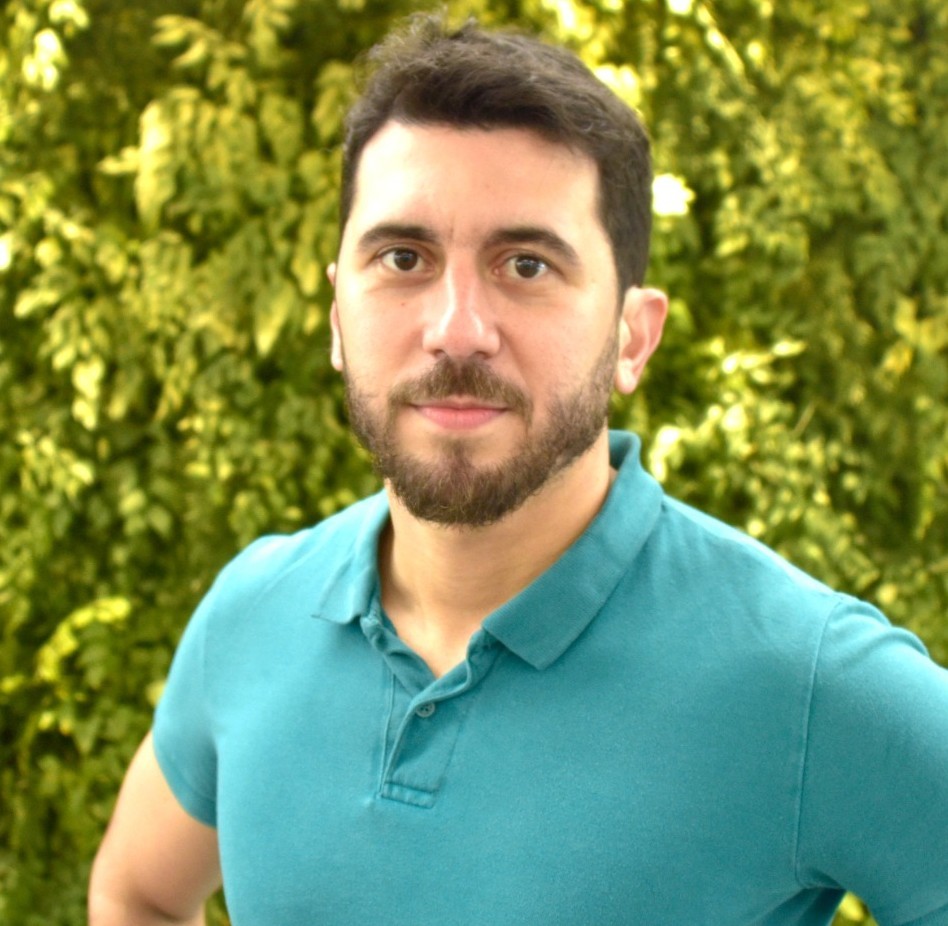
A POLI-USP PhD candidate and founder of PoliEnergy, he works on PVD coatings, tribology, FEA/CFD, machine design, and solutions for energy efficiency and the energy transition.

Mathematics Education student at USP and a Scietific Iniciation research.

RCGI-USP, receptionist.

PhD candidate at the Polytechnic School of the University of São Paulo (USP) and associate researcher at the Research Centre for Greenhouse Gas Innovation (RCGI-USP).

RCGI-USP, receptionist.
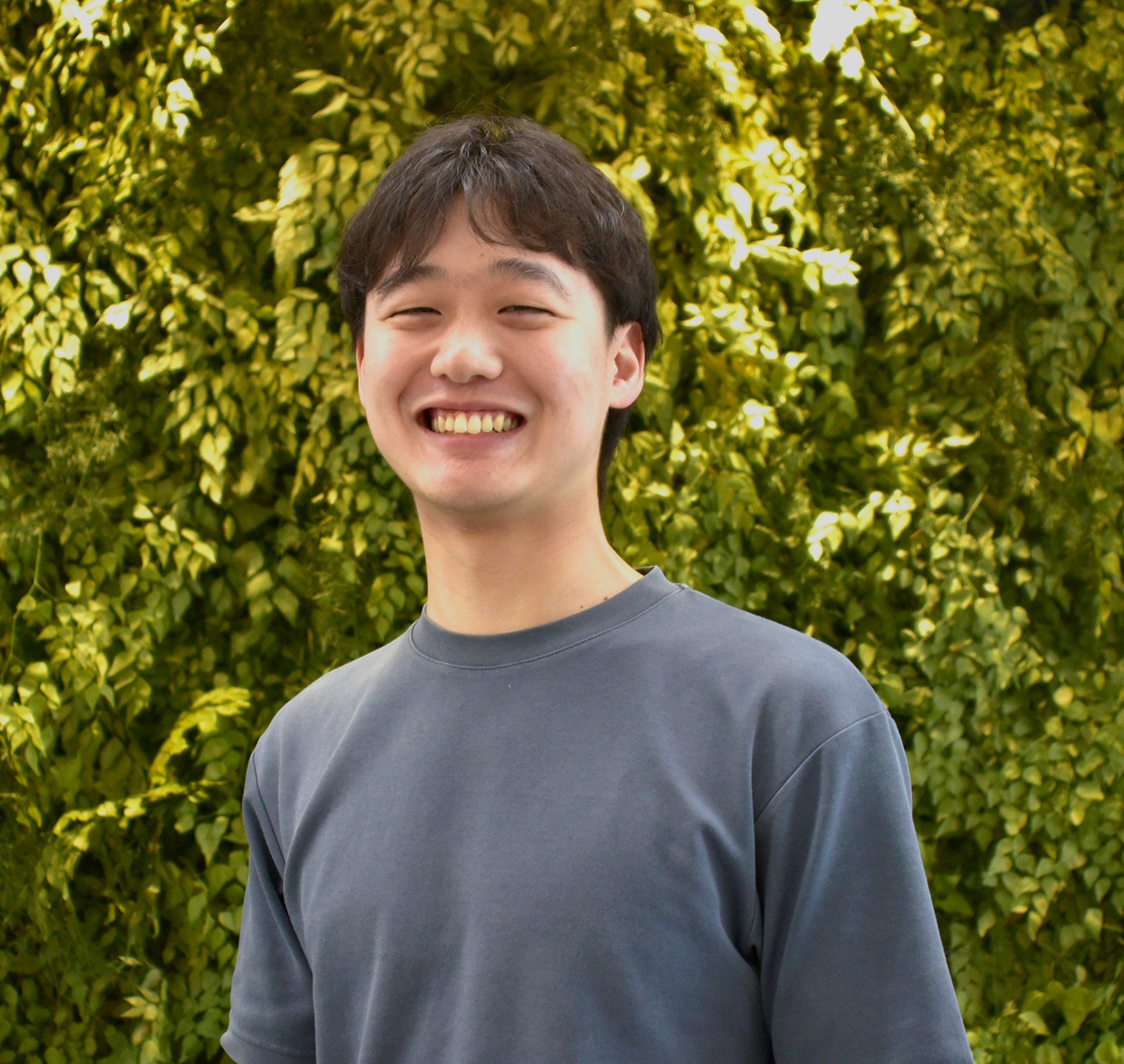
Vinícius Kenzo Inoue is a master’s student in Naval Architecture and Ocean Engineering at the Polytechnic School of the University of São Paulo (USP).
Director of Human Resources and Institutional Communication at RCGI
Deputy Coordinator of the project “Social Perception and Science Diplomacy for the Technology Transition towards a Low-Carbon Society” at RCGI
Since 2016 serves as Director of Human Resources and Leadership Management for the RCGI – Research Centre for Gas Innovation located at the Polytechnic School of the University of São Paulo (USP), funded by FAPESP (São Paulo State Funding Agency) and Shell Brasil. In 2021 she became the deputy coordinator of the project “Social Perception and Science Diplomacy in the Technology Transition towards a Low-Carbon Society”. And in 2023, after concluding her PhD, she assumed the Directory of Institutional Communication and Human Resources. She has a degree in Psychology from the University of São Paulo (USP), a post-graduation in Administration from Fundação Getúlio Vargas (FGV), a master's in Social Psychology from Pontificia Universidade Católica (PUC-SP) and PhD in Social Psychology from the University of São Paulo (USP), with a year as researcher at Imperial College London. Before, developed approximately 18 years of experience in companies as Unilever, Andersen Consulting (Accenture), Chase Manhattan Bank (JP Morgan Chase), Banco Itaú, and Grupo VR (Sodexo), growing in her career from analyst to director. Worked in Human Resources and Change Management consulting for more than 15 years, focused on Coaching, Career Management, Leadership and Team Development, Mentoring Programs, Change Management and Organisational Culture, among others. Serves as a Visiting Professor at Fundação Getúlio Vargas (FGV) for the post-graduation program since 2009.
Director of Science, TNO Energy & Material Transition, The Netherlands largest energy research organization with some 1,000 co-workers. He combines this with part time Professor chairs ‘’Energy System Analysis’’ at Utrecht University (UU) and University of Groningen (RUG).
Ongoing research covers energy system integration solutions & modelling, industrial transformation & circular economy, transition processes towards sustainable energy systems and industry and related innovation and policy questions. He is a member of a variety of (inter) national expert groups in energy policy, biobased economy, research and strategic planning. Advisor for governments, the EC, IEA, the UN system (including UNIDO, UNEP, FAO), GEF, OECD, WEF, IAEA, WEC, the energy sector& industry, strategic consultancy, NGO’s, etc.
He is chair of the NERA; Netherlands Energy Research Alliance and Executive Committee member of the European Energy Research Alliance (EERA) Listed as ‘highly cited researcher’ by Clarivate Web of Science Group (previously Thomson Reuters); top 1% of research field.
As IPCC member, awarded with the Nobel Peace Prize for the IPCC in 2007. Awarded the Linneborn Prize; for outstanding contributions to the development of energy from biomass.
Listed at Research.com at # 115 globally for Environmental Sciences and # 71 globally for Engineering en Technology. For the Netherlands #4 and #3 respectively (2022).
More information can be found at: (5) Andre Faaij | LinkedIn
🔗 https://www.linkedin.com/in/andre-faaij-62a19413/
EPE, Biofuels Analyst
Soon
Possui mais de 30 anos de experiência no setor automotivo não somente na América Latina, mas também, Estados Unidos, Europa, Norte da África e Ásia.
Possui Graduação em Engenharia Eletrônica pela Universidade Mackenzie com MBAs em Gestão de Manufatura e de Projetos pelas Universidades de Michigan (EUA) e Darmstadt (Alemanha). Também, possui mestrado em Operações e Internacionalização de Empresas pela FIA-SP e Universidade de Grenoble (França) e Doutorado em Administração de Empresas pela FGV-SP (Brasil).
Desde 2012, Ricardo é um dos Vice-presidentes da ANFAVEA (Associação Nacional dos fabricantes de Veículos Automotores) e faz parte dos Conselhos da CNI (Confederação Nacional das Indústrias) e IQA (Instituto da Qualidade Automotiva).
Soon
Founder and President at DATAGRO Consulting
Graduated in Business Administration, Dr. Nastari holds the degrees of M.SC. and Ph.D. in Agricultural Economics from Iowa State University. He was for 22 years Professor of Economics at FGV – Getúlio Vargas Foundation, in São Paulo, in undergraduate and postgraduate courses (MBA, Master and Doctorate). With extensive experience in negotiations and commercial disputes at ITC (International Trade Commission) and the World Trade Organization, Dr. Nastari acted for the Brazilian government as Chief Economist in commercial disputes involving ethanol exports to the United States, subsidized sugar exports from the European Union, common banana import regime in the European Union, and Brazilian import regime of used and retreated tires.
Dr. Nastari is a member of the World Sugar Committee at ICE (Intercontinental Exchange) Futures in New York, where recommendations are made for improvements in contract rules and other matters related to world sugar trade. His career is closely associated with the development of ethanol and other biofuels in Brazil, and has also helped the development of ethanol in the United States through the Governors Ethanol Coalition, and in other Latin American, African and Asian countries, notably Thailand, India, Indonesia and the Philippines.
Since 1978, he has assisted the Brazilian government in Brazil in various instances through the National Energy Commission (1984-86), Commission for Reexam of the Energy Matrix (1991-93), and as Representative of the Civil Society at the National Council on Energy Policy (2016-2020 ). Since the 1980s, it has fostered the connection between biofuels and automakers having worked as Executive Director and Chairman of the Brazilian Association of Automotive Engineering (AEA), and as Lead Author of the IPCC.
He is president of IBIO, the Brazilian Institute of Bioenergy and Bioeconomy, and since 1984 founder and CEO of the Datagro Group, leading a team of over 190 professionals serving clients in 41 countries.
Secretary of Science, Technology, and Innovation of São Paulo’s State
Vahan Agopyan served as rector of the University of Sao Paulo from 2018 to 2022 and is currently the state secretary for Science, Technology, and Innovation in the state of Sao Paulo.
In 1974, he received his diploma in civil engineering from the Polytechnic School of the University of Sao Paulo (Poli-USP). He has been a professor at USP since 1975 and served as Vice-Rector and Pro-Rector of Postgraduate Studies, Director of Politécnica, and President of the Institute of Technological Research (IPT). He was also the president of the Institute for Energy and Nuclear Research’s (Ipen) Superior Council and a member of the Sao Paulo State Research Support Foundation’s Superior Council.
In 2004, the So Paulo Engineering Institute named him an Eminent Engineer.
Soon
Soon
University of São Paulo (USP) Dean
Soon
CEO UNICA
Evandro Gussi is president and CEO of the Sugarcane and Bioenergy Industry Union (UNICA), an entity dedicated to providing clean, renewable, and natural energy in the form of sugar, biofuels, bioelectricity, and biomass. Before assuming the direction of UNICA, he was elected federal deputy for the State of São Paulo, with a mandate from 2015 to 2019. In the National Congress, he served as leader of his party (2016–2017) and inspector of the Chamber of Deputies (2017–2019). Gussi was the author of the RenovaBio law, a reference for expanding the use of biofuels in Brazil, contributing to the country achieving its goals for reducing greenhouse gases and fulfilling the commitments made under the Paris Agreement. He has a master’s degree in Constitutional Law from the Federal University of Rio Grande do Sul (UFRGS) and a PhD in State Theory from the University of São Paulo (USP). In 2021, he completed the AMP International Executive Education Program (Advanced Management Program), at IESE Business School. Gussi was also a professor at the University of the State of São Paulo (UNESP) in the areas of Constitutional, Administrative and Environmental Law.
Interim director of NLHydrogen. Since September 2021, she is chair of the Top Sector Chemistry. In this capacity, she has been chair of the mission team Circular Economy. She has a master’s degree in chemical engineering and a bachelor’s degree in psychology, and started her career in 1989 at Shell Chemicals. She then worked for Syntens for eight years as an innovation broker and later as a regional manager. In 2004 she decided to become an independent entrepreneur, focusing on energy efficiency in industry and alternative ways of generating sustainable energy. She was politically active as a member of the Province of Utrecht until September 2018 and acted as spokesperson for energy and economy. From 2018 to 2022, Vaessen was General Manager of Nexstep, the national platform for reuse and decommissioning of oil and gas infrastructure.
🔗 https://www.linkedin.com/in/jacqueline-vaessen-b8bb58/
É engenheiro de Produção Mecânica pela FEI, com especialização em Qualidade (Unicamp), MBA em Gestão de Negócios (Esalq/USP) e mestrado em Engenharia de Produção (UNESP). Com sólida carreira na indústria automotiva, atuou em projetos estratégicos na Volkswagen Audi e na Fiat Itália. Desde 2012 na Hyundai, Atualmente é vice-presidente, liderando as áreas de Produção, Manutenção e Logística, com ampla experiência em gestão industrial e excelência operacional.
Soon
Responsable de ESG, nuevas oportunidades de negocio, alianzas, movilidad inteligente, conectividad, monetización de datos y soluciones digitales.
Profesor Titular (EPUSP), Director OTIC
Gustavo Roque da Silva Assi es Profesor Titular de Transición Energética y Energías Renovables en la Escuela Politécnica de la Universidad de São Paulo (EPUSP). Docente del Departamento de Ingeniería Naval y Oceánica, fue profesor visitante en la University of Oxford, en el California Institute of Technology y en la Texas A&M University. Es el Director Científico del OTIC – Offshore Technology Innovation Centre, un centro de investigación que estudia la transición de la industria offshore en el contexto de la transición energética.
Su investigación se centra en los fenómenos de interacción fluido-estructura, transición energética, generación de energía renovable a partir del océano y captura y almacenamiento de carbono. Tiene un interés especial en la comunicación científica, la enseñanza de la ingeniería, la filosofía de la tecnología y la interacción entre ciencia, tecnología y fe cristiana.
En la USP, también actúa como Coordinador del Núcleo de Filosofía de la Tecnología y como investigador del NDF – Núcleo de Dinámica de Fluidos. Fue Director de Difusión del Conocimiento e Innovación del RCGI – Research Centre for Greenhouse Gas Innovation de la USP.
Es Ingeniero Naval y Oceánico (USP), Magíster en Ingeniería Mecánica (USP), Doctor en Aeronáutica (Imperial College London) y posee el título de Libre Docente en Hidrodinámica de Sistemas Navales y Oceánicos (USP).
Deputy Director of the Advocacy RCGI.
Commander of the Order of Rio Branco (Ministry of Foreign Affairs – Itamaraty). Linneborn Prize 2023 (European Biomass Conference and Exhibition 2023, Bologna, Italy) for the researches on Bioenergy. Chemical Engineering (1972), Master degree (1992) and PhD (1999) in Energy by the Graduate Program in Energy (PPGE), Institute of Energy and Environment (IEE), University of São Paulo (USP). She is a lecturer and thesis advisor at PPGE/IEE/USP and at the Post Graduate Program in Bioenergy USP / UNICAMP / UNESP. She is also the coordinator of the Research Group on Bioenergy (www.iee.usp.br/gbio) of IEE/USP.
In addition, she is one of the coordinators of the Thematic Axes Program – Energy of USP. Reviewer at several scientific journals, such as Energy Policy, Journal of Cleaner Production, Clean Technology and Environmental Policy, Biomass and Bioenergy and Energy for Sustainable Development, among others. Bioenergy Editor at Renewable Bioenergy and Sustainable Energy Reviews. Principal Investigator (PI) and Deputy Director for BECCS Program at RCGI/FAPESP/SHELL.
Gustavo Roque da Silva Assi is a Full Professor of Energy Transition and Renewable Energies at the Polytechnic School of the University of São Paulo (EPUSP). A faculty member in the Department of Naval and Ocean Engineering, he has been a visiting professor at the University of Oxford, the California Institute of Technology, and Texas A&M University. He is the Scientific Director of OTIC – Offshore Technology Innovation Centre, a research center focused on the offshore industry’s transition in the context of the energy transition.
His research focuses on fluid-structure interaction phenomena, energy transition, ocean renewable energy generation, and carbon capture and storage. He has a special interest in science communication, engineering education, philosophy of technology, and the interaction between science, technology, and Christian faith.
At USP, he also serves as the Coordinator of the Philosophy of Technology Research Group and as a researcher at NDF – Fluid Dynamics Research Group. He was the Director of Knowledge Dissemination and Innovation at the RCGI – Research Centre for Greenhouse Gas Innovation at USP.
He holds a degree in Naval and Ocean Engineering (USP), a Master’s in Mechanical Engineering (USP), a PhD in Aeronautics (Imperial College London), and a Habilitation (Livre-Docência) in Hydrodynamics of Naval and Ocean Systems (USP).
Linkedin: https://www.linkedin.com/in/gustavo-assi-b3b5821b/
es investigadora de posdoctorado en el Instituto de Energía y Ambiente de la Universidad de São Paulo (IEE-USP) e investigadora asociada al Grupo de Investigación en Bioenergía (GBio) y al Centro de Investigación para Innovación de Gases de Efecto Invernadero (RCGI-USP). Formada en Ingeniería Química por la Universidad Industrial de Santander (UIS-Colombia), con una sólida formación académica y experiencia práctica en el tratamiento y valorización de Residuos Sólidos Urbanos (RSU) y residuos de biomasa.
Andrea se dedica a estudiar el tratamiento de residuos sólidos con valorización energética a través de las tecnologías Waste-to-Energy y Waste-to-Hydrogen, así como en el uso del hidrógeno en la producción de Combustible Sustentable de Aviación (SAF). Su línea de investigación se centra en el uso de residuos sólidos como materia prima para la producción de energía eléctrica, térmica e hidrógeno, con un enfoque basado en la economía circular. Es miembro del Consejo de Investigación y Tecnología Waste-to-Energy (WtERT) en Brasil.
Pesquisador do RCGI desde 2023, concentra seus esforços de pesquisa na descarbonização do setor marítimo e naval utilizando de técnicas avançadas de projeto como otimização topológica.
LinkedIn: https://www.linkedin.com/in/igor-baraçal-8029ba11b/
is a PhD candidate at the Polytechnic School of the University of São Paulo (POLI-USP) and a researcher at the Research Centre for Greenhouse Gas Innovation (RCGI-USP).
He holds a degree in Mechanical Engineering and a master’s degree in Science and Materials Engineering from the Federal University of Piauí (UFPI). With a solid academic background in numerical simulation, Anderson is part of an interdisciplinary team that extends the application of topology optimization to industrial problems. His research focuses on developing computational tools to improve the performance of structural components in pneumatic machines, aiming to mitigate Greenhouse Gas (GHG) emissions.
Ingeniera forestal y Máster en Ciencia Forestal (UFV), es estudiante de doctorado en el Instituto de Energía y Ambiente de la Universidad de São Paulo (IEE-USP) y investigadora asociada al Grupo de Investigación en Bioenergía (GBio). Su experiencia abarca la gestión forestal con énfasis en política y legislación forestal, sostenibilidad de los recursos forestales y bioenergía. Su línea de investigación se concentra en temas como bioenergía, biomasa forestal, cultivos de eucalipto, indicadores y sostenibilidad.
es investigador postdoctoral en la Escuela Politécnica de la Universidad de São Paulo e investigador asociado en el Research Centre for Greenhouse Gas Innovation (RCGI-USP) en el programa del Núcleo de Innovación de Sistemas de Energía (InnovaPower).
Es graduado en Ingeniería Eléctrica por el Centro Universitario de FEI, con un máster y doctorado en la Escuela Politécnica de la USP, y realizó una estancia de investigación en el extranjero en la Universidad de Aalborg durante su doctorado. Giovani se dedica a la investigación en el área de descarbonización del sector marítimo, el aumento de la penetración de fuentes renovables en el sistema interconectado brasileño, y las aplicaciones de sistemas de almacenamiento y de celdas de combustible.
is a Naval Engineer with a degree from USP and experience in ship maintenance and marine projects, as well as having operated river maneuvering simulations at IPT.
She transitioned to an academic career and is involved in research at NDF, TPN and RouteLab, both laboratories at PNV, the Naval Engineering Department at POLI USP.
is an undergraduate student in Industrial Engineering at Escola Politécnica of the University of São Paulo (Poli-USP).
At the Research Centre for Greenhouse Gas Innovation (RCGI), he works on Innovation & Technology Transfer projects, contributing to the structuring and implementation of a support environment for the development of deep techs. He also participated in research on the “Social Perception” of Climate Emergencies and technological transitions towards a low-carbon society. Alongside energy issues, he is enthusiastic about Education – as a vector for social transformation – and is part of the “STEAM Lab” at the University of São Paulo Innovation Center (InovaUSP).
PhD, is currently an assistant professor at the University of São Paulo in the Department of Mechatronics and Mechanical Systems.
Is currently an assistant professor at the University of São Paulo in the Department of Mechatronics and Mechanical Systems. Her research project focuses on nanoengineering strategies for optimizing fuel cell components, membrane technologies, and nanotechnology. Her work emphasizes nanomechanics, nanomaterials, and the energy transition, showcasing her expertise in the computational design for greenhouse gas separation and the mechanics of nanomaterials.
completed his PhD at the Surface Phenomena Laboratory of the Polytechnic School of the University of São Paulo (USP) and is involved in «PROJECT 65» at the Research Centre for Greenhouse Gas Innovation (RCGI), which aims to develop smart labyrinth seals to mitigate GHG emissions in pneumatic machines.
During his master’s degree in Mechanical Engineering at the University of Campinas (UNICAMP), André investigated the influence of microstructure on micromilling processes using finite element analysis and image processing. He also conducted research at the University of Illinois at Urbana-Champaign (UIUC), focusing on the physics-based modeling of micromilling processes and the impact of additive manufacturing layers on machining processes. He holds a bachelor’s degree in Mechanical Engineering and Science and Technology from the Federal University of Rio Grande do Norte (UFRN), and has extensive experience in tribology, numerical simulation (FEA/CFD), and project development. Additionally, he is the founder of PoliEnergy Soluções Tecnológicas, where he develops thin films to enhance the efficiency of wind turbines. His research and entrepreneurial efforts seek innovative solutions that promote energy efficiency and reduce carbon emissions, aligning his activities with the goals of the RCGI.
es estudiante de Licenciatura en Matemáticas en la USP. Involucrada en investigación científica desde la escuela secundaria, actualmente desarrolla un proyecto de Iniciación Científica en el área de Nanoingeniería bajo la supervisión de la profesora Daniela Damasceno (Departamento de Ingeniería Mecatrónica – RCGI – USP).
Recientemente, tuvo un proyecto aprobado para presentación en la COP 30, titulado «Análisis de la oferta de alimentos mínimamente procesados y ultraprocesados en la región de Vila Pirituba,» coordinado por el profesor William Rosseti, del IFSP, en el área de Cadena de Suministro.