


4–6 November 2026
Inova USP: Av. Prof. Lúcio Martins Rodrigues, 370
The Energy Transition Research & Innovation Conference (ETRI) will hold its ninth edition in 2026 under the theme “The Geopolitics of Energy Innovation”. Hosted by the University of São Paulo, the conference will examine how evolving geopolitical dynamics are reshaping the development, deployment, and governance of innovation in the fields of energy, climate, and sustainability.
ETRI 2026 will bring together leading researchers, industry experts, policymakers, entrepreneurs, and international partners to explore the strategic role of innovation in the global energy transition. Discussions will address how geopolitical shifts influence scientific collaboration, technological competitiveness, investment, supply chains, and the adoption of emerging low-carbon solutions. The conference will also provide a platform for exchanging knowledge, fostering partnerships, and strengthening international cooperation in an increasingly complex global landscape.
Organised by the Research Centre for Greenhouse Gas Innovation (RCGI-USP), ETRI has established itself as a leading international forum connecting academia, industry, government, and society to accelerate the transition towards a more sustainable energy future. The 2026 edition will also mark the second participation of the Offshore Technology Innovation Centre (OTIC-USP) as an institutional partner, further reinforcing the conference’s commitment to interdisciplinary collaboration and innovation across the energy sector.

RCGI extends its thanks to Skyrats for providing the drone imagery.
This year, ETRI will be held at Inova USP in the IRIS space (Digital Lab) at Block A, 2nd floor, Inova USP building, USP Butantã campus – Av. Prof. Lúcio Martins Rodrigues, 370
Carbon Management, Bioenergy and Low-Carbon Fuels: Pathways for the Energy Transition
Carbon management technologies, bioenergy and low-carbon fuels are becoming increasingly important components of global decarbonization strategies. Carbon capture, utilization and storage (CCUS) and bioenergy with carbon capture and storage (BECCS), alongside established and emerging bioenergy and low-carbon fuel solutions, represent different pathways for reducing emissions and supporting the transition toward low-carbon energy and industrial systems.
This panel will explore the potential and challenges of these pathways, considering technological development, infrastructure, regulation, investment, sustainability, public acceptance and scalability. Drawing on experiences from different contexts, the discussion will examine lessons from existing projects and emerging solutions, as well as opportunities for research, innovation and industrial cooperation to support competitive and sustainable low-carbon value chains.
The energy transition is increasingly shaped not only by technological breakthroughs, but by how companies, institutions and governments translate innovation and strategic ambitions into projects, investments, new business models, policies and social and environmental impact.
This panel will bring together real-world industry and institutional cases to explore different approaches to addressing the challenges and opportunities of the energy transition. The discussion will go beyond technology to consider R&DI, energy systems and infrastructure, deployment of new technologies, industrial transformation, social investment, partnerships with universities and research institutions, policy and regulatory frameworks, and strategies for a sustainable, just and competitive transition.
The panel will also consider how innovation can support the transformation, modernization and sustainable operation of existing energy and industrial systems, infrastructure and value chains.
Drawing on experiences from different sectors and contexts, the panel aims to identify lessons learned, successful approaches and common challenges in moving from ambition and innovation to implementation and impact.
Innovation and Sustainability on the Fast Track: Lessons from Formula 1
The energy transition is reshaping international relations. Competition for technologies, critical materials, industrial capacity and clean-energy markets is occurring alongside an increasing need for international scientific, technological and industrial collaboration. Energy security, technological sovereignty, climate goals and economic competitiveness are therefore becoming increasingly interconnected.
This panel will explore how international cooperation can operate within an increasingly complex geopolitical landscape, bringing perspectives from different institutional, sectoral and geographic contexts. The discussion will examine opportunities for cooperation in research and innovation, technology development, investment, industrial partnerships and human-capital development, while also considering the strategic interests that influence these relationships.
The panel will examine how mutually beneficial partnerships can strengthen scientific, technological and industrial capabilities, while contributing to the development and scale-up of solutions for shared energy-transition challenges.
Hydrogen is emerging as a strategic component of the global energy transition, connecting energy security, industrial decarbonization, technological innovation, renewable energy and infrastructure. Its potential extends across different applications and value chains, with opportunities shaped by available energy resources – including renewable sources such as hydropower – as well as technological and industrial capabilities, infrastructure and demand.
This panel will discuss the conditions required to develop, scale and strengthen competitive and integrated hydrogen ecosystems. Bringing together perspectives from industry, academia, government and sectoral organizations, the discussion will address energy supply and integration, technological development, infrastructure, regulation, investment, and demand creation. and the challenges associated with scaling hydrogen solutions.
Drawing on different experiences and approaches, the panel will explore how integrated hydrogen value chains can be developed, how barriers to scale can be overcome and how collaboration across sectors and at local, regional and international levels can support industrial development and long-term competitiveness.
Aviation and maritime transport are among the most challenging sectors to decarbonize, requiring a combination of new fuels, propulsion technologies, infrastructure, regulation and international coordination. Sustainable Aviation Fuels (SAF), electrification, hydrogen and other low-carbon solutions are creating different pathways for reducing emissions, with varying levels of technological maturity, scalability, sustainability and market readiness.
This panel will discuss the technological and strategic transformation of aviation and maritime transport, connecting perspectives from research, technology development, fuels, industry, regulation and policy. The discussion will examine different pathways toward lower-carbon transport, the challenges of scaling sustainable fuels and emerging technologies, and lessons from their development and deployment in different contexts.
The panel will also consider the role of research and industrial cooperation, policy and regulatory frameworks, and international standards in enabling the development and scale-up of solutions while supporting sustainable and competitive transport systems and value chains.
| Scientific Excellence Session (SES) | Code | Chair | Full Name | Title |
|---|---|---|---|---|
| Scientific Excellence Sessions (SES) A: 04/11 - 13:45 - Advocacy (TV1) | ETRI 2026_ADV001 | Profª Karen Mascarenhas | Alexandre Euzebio | Beyond Technocentrism: A Sociotechnical Framework for AI Governance and Justice in the Energy Transition |
| Scientific Excellence Sessions (SES) A: 04/11 - 13:45 - Advocacy (TV1) | ETRI 2026_ADV002 | Profª Karen Mascarenhas | Ana Caroline Vieira Correia | Dimensions of Scientific and Technological Culture in Science Communication about Offshore Technologies |
| Scientific Excellence Sessions (SES) A: 04/11 - 13:45 - Advocacy (TV1) | ETRI 2026_ADV003 | Profª Karen Mascarenhas | Delanney Vidal Di Maio Neto | Governing the Integration of Biomethane into São Paulo's Natural Gas Infrastructure |
| Scientific Excellence Sessions (SES) A: 04/11 - 13:45 - Advocacy (TV1) | ETRI 2026_ADV004 | Profª Karen Mascarenhas | Eduardo G Pereira | Methane Emissions: Current Trends in Policy and Regulation |
| Scientific Excellence Sessions (SES) A: 04/11 - 13:45 - Advocacy (TV1) | ETRI 2026_ADV005 | Profª Karen Mascarenhas | Laura Emilse Brizuela | The Geopolitics of Science Communication: Soft Power Strategies for Research Institutions in the Global South |
| Scientific Excellence Sessions (SES) A: 04/11 - 13:45 - Advocacy (TV1) | ETRI 2026_ADV006 | Profª Karen Mascarenhas | Carlos Jaques Cruz Leite Teixeira | Poli Bridge – Linking Knowledge to Market: a university–industry–startup platform to accelerate R&D&I partnerships for the energy transition |
| Scientific Excellence Sessions (SES) A: 04/11 - 13:45 - Advocacy (TV1) | ETRI 2026_ADV007 | Profª Karen Mascarenhas | Tatiane C. Ferrari | Regulatory Benchmarking in the Biomethane Market: Lessons from France for the Sector's Expansion in Brazil |
| Scientific Excellence Sessions (SES) A: 04/11 - 13:45 - Advocacy (TV1) | ETRI 2026_ADV008 | Profª Karen Mascarenhas | Ricardo Bastos Calabrese | Geopolitics of the Urban Energy Transition: Photovoltaic Integration and Technological Dependence in the Global South |
| Scientific Excellence Sessions (SES) A: 04/11 - 13:45 - BECCUS (TV2) | ETRI2026_BECCUS001 | Prof. Thiago Lopes | Alvaro David Torrez Baptista | Geochemical interactions between CO2 and basaltic rocks |
| Scientific Excellence Sessions (SES) A: 04/11 - 13:45 - BECCUS (TV2) | ETRI2026_BECCUS002 | Prof. Thiago Lopes | Emily Nishikawa | Spatially Explicit Estimation of BECCS Potential in Canada using Forest Residues |
| Scientific Excellence Sessions (SES) A: 04/11 - 13:45 - BECCUS (TV2) | ETRI2026_BECCUS003 | Prof. Thiago Lopes | Ricardo dos Santos Medeiros | Electrochemical Performance of BaZr0.25Ce0.25Nd0.25Zn0.25O3-δ High-Entropy Perovskite Electrolytes for Solid Oxide Cells |
| Scientific Excellence Sessions (SES) A: 04/11 - 13:45 - BECCUS (TV2) | ETRI2026_BECCUS004 | Prof. Thiago Lopes | Pedro Lobo Hermes Lima | The Rotating Ring-Disk Electrode as an In Situ Probe for Dehydrogenation Kinetics in the Alkaline Ethanol Electro-Oxidation Reaction |
| Scientific Excellence Sessions (SES) A: 04/11 - 13:45 - BECCUS (TV2) | ETRI2026_BECCUS005 | Prof. Thiago Lopes | Sébastien Gregory Prat | Pre-FID Assessment of Biogenic CO₂ Utilization for Methanol Production in Brazilian Biorefineries |
| Scientific Excellence Sessions (SES) A: 04/11 - 13:45 - BECCUS (TV2) | ETRI2026_BECCUS006 | Prof. Thiago Lopes | Mariana Ciotta | Basalt-hosted BECCS in Brazil: a preliminary framework for assessing geological feasibility |
| Scientific Excellence Sessions (SES) A: 04/11 - 13:45 - BECCUS (TV2) | ETRI2026_BECCUS007 | Prof. Thiago Lopes | Jon Otto Fossum | Architected Clay Materials for Low-Pressure PSA Biogas Upgrading |
| Scientific Excellence Sessions (SES) A: 04/11 - 13:45 - BECCUS (TV2) | ETRI2026_BECCUS008 | Prof. Thiago Lopes | Thiago Vasconcelos de Barros Ferraz | Revealing Hidden Kinetic Regimes in Ethanol Electro-oxidation for Hybrid Electrolysis by Scan-Rate-Dependent Voltammetry |
| Scientific Excellence Sessions (SES) A: 04/11 - 13:45 - BECCUS (TV2) | ETRI2026_BECCUS009 | Prof. Thiago Lopes | Gabriel Jun Ikeda | Evaluation and modification of La1-xSrxCo1-yFeyO3-δ (LSCF) based cathodes for application in solid oxide fuel cells |
| Scientific Excellence Sessions (SES) A: 04/11 - 13:45 - BECCUS (TV2) | ETRI2026_BECCUS010 | Prof. Thiago Lopes | Dawany Dionisio | Engineering Stainless-Steel-Based Electrodes for the Electrolytic Concentration of Vinasse |
| Scientific Excellence Sessions (SES) A: 04/11 - 13:45 - BECCUS (TV2) | ETRI2026_BECCUS011 | Prof. Thiago Lopes | Fernanda de Sá Teixeira | Real-Time Monitoring of CO2 Solubility via pH and Electrical Conductivity: Baseline Calibration for Decoupled Basalt Carbon Mineralization |
| Scientific Excellence Sessions (SES) A: 04/11 - 13:45 - BECCUS (TV2) | ETRI2026_BECCUS012 | Prof. Thiago Lopes | Higor Santos Alves | Oscillatory electro-oxidation of ethanol on platinum-niobium surfaces |
| Scientific Excellence Sessions (SES) A: 04/11 - 13:45 - BECCUS (TV2) | ETRI2026_BECCUS013 | Prof. Thiago Lopes | Jéssica Santos Rego | Bridging First-Principles Accuracy and Large-Scale Molecular Dynamics with Machine Learning Potentials for Geological Applications |
| Scientific Excellence Sessions (SES) A: 04/11 - 13:45 - CCUS (TV3) | ETRI2026_BECCUS014 | Prof. Thiago Lopes | Tiago Manoel Tito Martins | Impact of Niobium Doping on the Microstructural and Electrochemical Properties of Yttria-Stabilized Zirconia (YSZ) for Solid Oxide Fuel Cells |
| Scientific Excellence Sessions (SES) A: 04/11 - 13:45 - CCUS (TV3) | ETRI2026_CCUS001 | Profª Ana Barbara Moulin Cansian | Carolina Soares Esperidião | Development of Bio-Derived Solid Adsorbents from Xerogels for CO₂ Capture |
| Scientific Excellence Sessions (SES) A: 04/11 - 13:45 - CCUS (TV3) | ETRI2026_CCUS002 | Profª Ana Barbara Moulin Cansian | Karin Figueiredo Jardilino | Analysis of Altered Mafic Rocks for Geological Carbon Storage: A Case Study of the Serra Geral Formation, Paraná Basin |
| Scientific Excellence Sessions (SES) A: 04/11 - 13:45 - CCUS (TV3) | ETRI2026_CCUS003 | Profª Ana Barbara Moulin Cansian | Karen Cristina Cordeiro | Potential of Altered Basalts from the Serra Geral Formation (Paraná Basin) for Geological CO₂ Storage by Mineralization |
| Scientific Excellence Sessions (SES) A: 04/11 - 13:45 - CCUS (TV3) | ETRI2026_CCUS004 | Profª Ana Barbara Moulin Cansian | Kauê Ferreira Melvino | Multi-Class Segmentation via Deep Learning for Reactivity Analysis of Basalts for Geological Carbon Storage |
| Scientific Excellence Sessions (SES) A: 04/11 - 13:45 - CCUS (TV3) | ETRI2026_CCUS005 | Profª Ana Barbara Moulin Cansian | Luis Fernando Garcia Rodriguez | TOPOLOGY OPTIMISATION OF ROTATING COMPRESSIBLE FLUID DEVICES UNDER REAL-GAS THERMODYNAMIC CONDITIONS |
| Scientific Excellence Sessions (SES) A: 04/11 - 13:45 - CCUS (TV3) | ETRI2026_CCUS006 | Profª Ana Barbara Moulin Cansian | Rafael Franco Ribeiro Reis | Interactive Molecular Dynamics and Machine Learning for exploring CO2 Mineralization Processes |
| Scientific Excellence Sessions (SES) A: 04/11 - 13:45 - CCUS (TV3) | ETRI2026_CCUS007 | Profª Ana Barbara Moulin Cansian | Teresa Duarte Lanna | Molecular Dynamics of Natural Gas (CO2 and CH4) Confined in Carbon Nanotubes for CO2 Capture and Separation |
| Scientific Excellence Sessions (SES) A: 04/11 - 13:45 - CCUS (TV3) | ETRI2026_CCUS008 | Profª Ana Barbara Moulin Cansian | Kauê Ferreira Melvino | Multi-class Segmentation of Nano-CT via Deep Learning for Quantifying Mineral Reactivity and Porosityn in Geological Carbon Storage |
| Scientific Excellence Sessions (SES) A: 04/11 - 13:45 - CCUS (TV3) | ETRI2026_CCUS009 | Profª Ana Barbara Moulin Cansian | Julia Silva de Matos | CFD Analysis of Centrifugal Compressors Operating with CO₂ and CO₂–CH₄ Mixtures in the Liquid-Like Region |
| Scientific Excellence Sessions (SES) A: 04/11 - 13:45 - CCUS (TV3) | ETRI2026_CCUS010 | Profª Ana Barbara Moulin Cansian | Evelyse Nassa Lima | Development of Adsorbent Materials Based on Metal-Organic Frameworks for Carbon Dioxide Capture |
| Scientific Excellence Sessions (SES) A: 04/11 - 13:45 - CCUS (TV3) | ETRI2026_CCUS011 | Profª Ana Barbara Moulin Cansian | Ana Bárbara Moulin Cansian | Design and Dynamic Simulation of a Temperature Control System for a CO₂-to-Methanol Pilot Plant |
| Scientific Excellence Sessions (SES) A: 04/11 - 13:45 - CCUS (TV3) | ETRI2026_CCUS012 | Profª Ana Barbara Moulin Cansian | Bryan Alberto Laura Larico | Doping and structuring (pelletization) of ZSM-5 zeolite catalysts for the conversion of methanol to aromatics. |
| Scientific Excellence Sessions (SES) A: 04/11 - 13:45 - CCUS (TV3) | ETRI2026_CCUS013 | Profª Ana Barbara Moulin Cansian | Mariana Ciotta | Mineralogical controls on CO₂–brine–rock interactions in the Itararé Group, Paraná Basin, Brazil |
| Scientific Excellence Sessions (SES) A: 04/11 - 13:45 - CCUS (TV3) | ETRI2026_CCUS014 | Profª Ana Barbara Moulin Cansian | Caroline Silva de Matos | Chemical tunning of oxygen carriers based on layered double hydroxides for chemical looping technologies |
| Scientific Excellence Sessions (SES) A: 04/11 - 13:45 - DECARB (TV4) | ETRI2026_DECARB001 | Prof. Bruno Carmo | Gabriela Soffiati | Structure–Reactivity Trends in Bimetallic Surfaces for Electrolyzer Reactions: A Combined Machine Learning and Density Functional Theory Study |
| Scientific Excellence Sessions (SES) A: 04/11 - 13:45 - DECARB (TV4) | ETRI2026_DECARB002 | Prof. Bruno Carmo | Guilherme da Silva Santos | First-Principles Approaches to Materials Design for Electrolyzers |
| Scientific Excellence Sessions (SES) A: 04/11 - 13:45 - DECARB (TV4) | ETRI2026_DECARB003 | Prof. Bruno Carmo | Jacqueline Teixeira Santos | Interactive Machine Learning Framework for Water Dissociation in Green Hydrogen Production |
| Scientific Excellence Sessions (SES) A: 04/11 - 13:45 - DECARB (TV4) | ETRI2026_DECARB004 | Prof. Bruno Carmo | Jeann César Rodrigues de Araújo | Nanocomposite membranes for Li recovery from produced water |
| Scientific Excellence Sessions (SES) A: 04/11 - 13:45 - DECARB (TV4) | ETRI2026_DECARB005 | Prof. Bruno Carmo | Natalilian Roberta da Silva Souza | Advanced Antifouling and Antimicrobial PES Mixed-Matrix Membranes Incorporating PEG, PAA, AgNPs and TiO₂ for Produced Water Treatment |
| Scientific Excellence Sessions (SES) A: 04/11 - 13:45 - DECARB (TV4) | ETRI2026_DECARB006 | Prof. Bruno Carmo | Wagner Wlysses Rodrigues de Araujo | Agentic workflow for Accelerating Material Discovery for Electrolyzers |
| Scientific Excellence Sessions (SES) A: 04/11 - 13:45 - DECARB (TV4) | ETRI2026_DECARB007 | Prof. Bruno Carmo | Gustavo Chagas de Morais | Communicating Climate Research Across Scales Through Interactive Virtual Reality |
| Scientific Excellence Sessions (SES) A: 04/11 - 13:45 - DECARB (TV4) | ETRI2026_DECARB008 | Prof. Bruno Carmo | Wang Zhiqiang | A CO-Tolerant PtRu Anode and Wide-Temperature-Range PEM Fuel Cell Stack for Methanol-to-Power Systems: Unlocking Brazil’s Bio-Methanol Economy without Palladium-Membrane Purification |
| Scientific Excellence Sessions (SES) A: 04/11 - 13:45 - DECARB (TV4) | ETRI2026_DECARB009 | Prof. Bruno Carmo | Miguel A. Vera Moreno | Natural Language Processing-Driven Discovery of Transition Metal Dichalcogenide Catalysts for the Hydrogen Evolution Reaction |
| Scientific Excellence Sessions (SES) A: 04/11 - 13:45 - DECARB (TV4) | ETRI2026_DECARB010 | Prof. Bruno Carmo | Antonio Francisco Gentil Ferreira Jr. | Recommissioning of an Alkaline Hydrogen Refueling Station in Sao Paulo |
| Scientific Excellence Sessions (SES) A: 04/11 - 13:45 - DECARB (TV4) | ETRI2026_DECARB011 | Prof. Bruno Carmo | José Francisco Silva Costa Júnior | Influence of Sonotrode Geometry on the Vibrational and Acoustic Performance of Langevin Transducers for Ultrasonic Processing Applications |
| Scientific Excellence Sessions (SES) A: 04/11 - 13:45 - DECARB (TV4) | ETRI2026_DECARB012 | Prof. Bruno Carmo | Walter Mayr | Improve Energy Utilisation in Green‑Hydrogen Production via Innovative Heat‑and‑Power Management |
| Scientific Excellence Sessions (SES) A: 04/11 - 13:45 - DECARB (TV4) | ETRI2026_DECARB013 | Prof. Bruno Carmo | Marina Almeida | Interactive Decarbonisation Platform (PID): a territorial analysis tool for energy planning and industrial decarbonisation in Brazil |
| Scientific Excellence Sessions (SES) A: 04/11 - 13:45 - DGT (TV5) | ETRI2026_DGT001 | Prof. Gustavo Assi | Nelson de Moura | Sensor fusion for SLAM on wearable devices |
| Scientific Excellence Sessions (SES) A: 04/11 - 13:45 - DGT (TV5) | ETRI2026_DGT002 | Prof. Gustavo Assi | Rosa Virginia Encinas Quille | Design and Validation of a Real-Time Big Data Architecture for Offshore FPSO Monitoring |
| Scientific Excellence Sessions (SES) A: 04/11 - 13:45 - DGT (TV5) | ETRI2026_DGT003 | Prof. Gustavo Assi | André Seiji Ozeki Morise | Topology Optimization of a Simplified Shell-based Floating Structure |
| Scientific Excellence Sessions (SES) A: 04/11 - 13:45 - DGT (TV5) | ETRI2026_DGT004 | Prof. Gustavo Assi | Arthur Alves do Nascimento | Development and Optimization of Die Interconnection Processes Using Solder Paste and Microbumps in Heterogeneous Packaging Systems |
| Scientific Excellence Sessions (SES) A: 04/11 - 13:45 - DGT (TV5) | ETRI2026_DGT007 | Prof. Gustavo Assi | Marcel Augusto Alvarenga Viegas | An Unsupervised Machine Learning Framework for Real-Time Semantic Instance Segmentation in Massive Point Clouds of Ocean Energy Systems for Immersive Digital Twin Environments |
| Scientific Excellence Sessions (SES) A: 04/11 - 13:45 - DGT (TV5) | ETRI2026_DGT009 | Prof. Gustavo Assi | Marcel Rodrigues de Barros | High-Resolution Regional Metocean Forecasting with Heterogeneous Graph Neural Networks |
| Scientific Excellence Sessions (SES) A: 04/11 - 13:45 - DGT (TV5) | ETRI2026_DGT013 | Prof. Gustavo Assi | Lucy Choque Mansilla | Multimodal Foundation Models for Monitoring and Diagnostic Support in FPSO Operations: Preliminary Results with Explainability Techniques |
| Scientific Excellence Sessions (SES) A: 04/11 - 13:45 - DGT (TV5) | ETRI2026_DGT017 | Prof. Gustavo Assi | Denise Feldmann | Developing an Open Digital Standard for Circular Cooling and Waste-Heat Reuse: An IFC-Based Domain Ontology |
| Scientific Excellence Sessions (SES) A: 04/11 - 13:45 - DGT (TV5) | ETRI2026_DGT018 | Prof. Gustavo Assi | Vinícius Vasconcelos de Assunção | Operational Analysis of the Mero Field as a Reference for Enabling Production in Adjacent Fields |
| Scientific Excellence Sessions (SES) B: 04/11 - 14:45 - ECONOMICS (TV1) | ETRI2026_ECONOMICS001 | Prof. TBC | Gil Vieira Rodrigues | An Integrated Computational Tool for Decarbonization Decision Support in Offshore Oil-and-Gas Production: Emissions Quantification and Economic Analysis |
| Scientific Excellence Sessions (SES) B: 04/11 - 14:45 - ECONOMICS (TV1) | ETRI2026_ECONOMICS002 | Prof. TBC | Julia Silva de Matos | Techno-Economic Evaluation of Offshore Hydrogen Transport Pathways |
| Scientific Excellence Sessions (SES) B: 04/11 - 14:45 - ECONOMICS (TV1) | ETRI2026_ECONOMICS003 | Prof. TBC | Emanuel Silva | Circular Economy in Road Infrastructure: Market Opportunities for a Low-Carbon Civil Construction Industry |
| Scientific Excellence Sessions (SES) B: 04/11 - 14:45 - ECONOMICS (TV1) | ETRI2026_ECONOMICS004 | Prof. TBC | Lara Melani de Vilhena | Decarbonization of the Brazilian Electricity Sector: Carbon Market, Technological Innovation and Risk Management Under Law No. 15,042/2024 |
| Scientific Excellence Sessions (SES) B: 04/11 - 14:45 - ECONOMICS (TV1) | ETRI2026_ECONOMICS005 | Prof. TBC | Manolo Perez Vilches | The Contribution of Architecture and Design to the Search for Differentiated Production Spaces: A Perspective on Energy Transition and Paradigmatic Innovation |
| Scientific Excellence Sessions (SES) B: 04/11 - 14:45 - ECONOMICS (TV1) | ETRI2026_ECONOMICS006 | Prof. TBC | Luís Antonio de Almeida Rodriguez | FPEO: A Modular OWL Ontology Architecture and Python Middleware for Offshore Decarbonization Decision Support |
| Scientific Excellence Sessions (SES) B: 04/11 - 14:45 - ECONOMICS (TV1) | ETRI2026_ECONOMICS007 | Prof. TBC | Edson de Oliveira Mosman Junior | Scaling Laws and Fractal Network Theory for Modeling the Expansion of Brazil's National Interconnected Power System (SIN) |
| Scientific Excellence Sessions (SES) B: 04/11 - 14:45 - ECONOMICS (TV1) | ETRI2026_ECONOMICS008 | Prof. TBC | Usama Bin Qasim | Topology Optimisation-Based Elastic Full Waveform Inversion: Benchmarking PICO and SIMP Penalisation Models with IPOPT on Seismic Velocity Reconstruction |
| Scientific Excellence Sessions (SES) B: 04/11 - 14:45 - ECONOMICS (TV1) | ETRI2026_ECONOMICS009 | Prof. TBC | Aline Veronese da Silva | An Integrated Decision-Support Framework for Decarbonization Planning in Offshore Oil and Gas Platforms |
| Scientific Excellence Sessions (SES) B: 04/11 - 14:45 - ECONOMICS (TV1) | ETRI2026_ECONOMICS010 | Prof. TBC | Lauron Arend | Offshore Gas Monetization Through Modular SSM-FLNG Platforms: Financial Viability Evidence From Brazil's Búzios Pre-Salt Field |
| Scientific Excellence Sessions (SES) B: 04/11 - 14:45 - ECONOMICS (TV1) | ETRI2026_ECONOMICS011 | Prof. TBC | Lucas Carvalho Pereira | Emission reduction targets in road transport sector of a Brazilian municipality based on a scenario analysis |
| Scientific Excellence Sessions (SES) B: 04/11 - 14:45 - ECONOMICS (TV1) | ETRI2026_ECONOMICS012 | Prof. TBC | Cecilia Romaro | Floresta digital e Algoritmo de Estimativa de Fluxos de CO2 |
| Scientific Excellence Sessions (SES) B: 04/11 - 14:45 - ECONOMICS (TV1) | ETRI2026_ECONOMICS013 | Prof. TBC | Jéssica Sales Pereira dos Santos | Full Wave Form Inversion with Acoustic-Elastic Coupling: A Finite Element-Based Approach for Offshore Environments |
| Scientific Excellence Sessions (SES) B: 04/11 - 14:45 - ECONOMICS (TV1) | ETRI2026_ECONOMICS014 | Prof. TBC | Vitor Luis Andrade | Biogas as energy recovery from wastewater in Brazil: Estimated potential, sector analysis and regulatory framework |
| Scientific Excellence Sessions (SES) B: 04/11 - 14:45 - ELECTRIFICATION (TV2) | ETRI2026_ELECTRIFICATION001 | Prof. Luis Felipe Normandia Lourenço | Rafael Noboro Tominaga | PyInnovaLab: Python-Based Research Platform for Short-Circuit Diagnosis and Energy Systems Analytics |
| Scientific Excellence Sessions (SES) B: 04/11 - 14:45 - ELECTRIFICATION (TV2) | ETRI2026_ELECTRIFICATION002 | Prof. Luis Felipe Normandia Lourenço | Viviane dos Santos Barbosa | Nonlinear Dynamics of Ethanol Electro-oxidation in PEM Electrolyzers: Influence of Platinum-Based Catalysts |
| Scientific Excellence Sessions (SES) B: 04/11 - 14:45 - ELECTRIFICATION (TV2) | ETRI2026_ELECTRIFICATION003 | Prof. Luis Felipe Normandia Lourenço | Fátima Eduarda do Nascimento Morais | Analysis of the Influence of Shunt Compensation on the Small-Signal Stability of a Grid-Connected Battery System |
| Scientific Excellence Sessions (SES) B: 04/11 - 14:45 - ELECTRIFICATION (TV2) | ETRI2026_ELECTRIFICATION004 | Prof. Luis Felipe Normandia Lourenço | Felipe Tartaro Pereira | Conditional ramp-curtailment associations across wind regimes in Northeast Brazil |
| Scientific Excellence Sessions (SES) B: 04/11 - 14:45 - ELECTRIFICATION (TV2) | ETRI2026_ELECTRIFICATION005 | Prof. Luis Felipe Normandia Lourenço | Giancarlo Carvalho Prezotto | Assessing the Role of PLL in Subsynchronous Oscillations of Solar Power Plants Interfacing Weak Grids |
| Scientific Excellence Sessions (SES) B: 04/11 - 14:45 - ELECTRIFICATION (TV2) | ETRI2026_ELECTRIFICATION006 | Prof. Luis Felipe Normandia Lourenço | Nelly Vanessa Pérez Rangel | Controlled Crystallization of a BaO–Al₂O₃–SiO₂ Glass-Ceramic Sealant for Solid Oxide Fuel Cells |
| Scientific Excellence Sessions (SES) B: 04/11 - 14:45 - ELECTRIFICATION (TV2) | ETRI2026_ELECTRIFICATION007 | Prof. Luis Felipe Normandia Lourenço | Gustavo Garcia Castilho | Influence of Pore-Former Content on the Microstructure and Mass Transport in Ni-YSZ Anodes |
| Scientific Excellence Sessions (SES) B: 04/11 - 14:45 - ELECTRIFICATION (TV2) | ETRI2026_ELECTRIFICATION008 | Prof. Luis Felipe Normandia Lourenço | Luciane Agnoletti dos Santos Pedotti | Dynamic Simulation of an Isolated Offshore Power System Using the Open-Source ANDES Platform |
| Scientific Excellence Sessions (SES) B: 04/11 - 14:45 - ELECTRIFICATION (TV2) | ETRI2026_ELECTRIFICATION009 | Prof. Luis Felipe Normandia Lourenço | Leandro Oliveira Martins | Long-Term Forecasting of Low-Voltage Photovoltaic Generation Using a Recursive Multiplicative Model: A Case Study Based on Brazilian Distribution Data |
| Scientific Excellence Sessions (SES) B: 04/11 - 14:45 - ELECTRIFICATION (TV2) | ETRI2026_ELECTRIFICATION010 | Prof. Luis Felipe Normandia Lourenço | Rafael de Oliveira Tiezzi | Impacts of AR5 Scenarios of Climate Change on the Brazilian Hydropower Sector |
| Scientific Excellence Sessions (SES) B: 04/11 - 14:45 - ESG (TV3) | ETRI2026_ESG001 | Profª Suani T. Coelho | Catherine Pancotto Portella | An Embedded Sensing Architecture for Low-Power, Long-Term Autonomous CO₂ Monitoring in Tropical Forest Environments |
| Scientific Excellence Sessions (SES) B: 04/11 - 14:45 - ESG (TV3) | ETRI2026_ESG002 | Profª Suani T. Coelho | Gabriel Felipe Coelho de Gouveia | A Low-Power RISC-V Embedded Architecture for Long-Term Autonomous CO₂ Monitoring in Forest Environments |
| Scientific Excellence Sessions (SES) B: 04/11 - 14:45 - ESG (TV3) | ETRI2026_ESG003 | Profª Suani T. Coelho | Davi Pires Andrade Brescia | Perceived Sacrificiality as a Mediator of Corporate Sincerity in the Offshore Energy Transition: A Conceptual Proposal and a Bibliometric Mapping of the Social Perception Literature |
| Scientific Excellence Sessions (SES) B: 04/11 - 14:45 - ESG (TV3) | ETRI2026_ESG004 | Profª Suani T. Coelho | Caio de Moraes Braz | Beyond Tree Detection: the Limits of Computer Vision in Urban Forestry Monitoring |
| Scientific Excellence Sessions (SES) B: 04/11 - 14:45 - ESG (TV3) | ETRI2026_ESG005 | Profª Suani T. Coelho | Khadeeja Ferraz Baloch | International energy prices, Brazilian institutional response and household access to energy services (1999–2025) |
| Scientific Excellence Sessions (SES) B: 04/11 - 14:45 - ESG (TV3) | ETRI2026_ESG006 | Profª Suani T. Coelho | Gabriela Gomes de Matos | Litterfall and Litter Decomposition in Urban Forest Fragments |
| Scientific Excellence Sessions (SES) B: 04/11 - 14:45 - ESG (TV3) | ETRI2026_ESG007 | Profª Suani T. Coelho | Paula Birocchi | Advancing Coastal Monitoring through Ocean Engineering, Numerical Modeling and Artificial Intelligence under Climate Change |
| Scientific Excellence Sessions (SES) B: 04/11 - 14:45 - ESG (TV3) | ETRI2026_ESG008 | Profª Suani T. Coelho | Viviane da Silva Santos | Greenhouse Gas Emissions Inventory in Construction Projects: Sample Analysis and Statistical Projection for Carbon Footprint Estimation |Inventário de Emissões de Gases de Efeito Estufa em Obras: Análise Amostral e Projeção Estatística para Estimativa da Pegada de Carbono |
| Scientific Excellence Sessions (SES) B: 04/11 - 14:45 - ESG (TV3) | ETRI2026_ESG009 | Profª Suani T. Coelho | Alexandre Yip Gonçalves Dias | An Immersive Virtual Forest Interface for Visualization and Monitoring of Rainforest Environmental Data |
| Scientific Excellence Sessions (SES) B: 04/11 - 14:45 - GHG (TV4) | ETRI2026_GHG001 | Prof. Renato Picelli | Lucas Nogueira Maluly de Carvalho | Edge AI Software Infrastructure for Intelligent Forest Probe Swarms in Persistent Greenhouse Gas Monitoring |
| Scientific Excellence Sessions (SES) B: 04/11 - 14:45 - GHG (TV4) | ETRI2026_GHG002 | Prof. Renato Picelli | Rodrigo Alves de Lima Moreto | A Low-Power PMIC (Power Management IC) for Energy-Harvesting IoT Nodes in Autonomous Forest Monitoring Systems |
| Scientific Excellence Sessions (SES) B: 04/11 - 14:45 - GHG (TV4) | ETRI2026_GHG003 | Prof. Renato Picelli | Pedro Nunes de Oliveira Júnior | Supported Catalysis for Ethanol Reforming in Solid Oxide Fuel Cells (SOFCs) |
| Scientific Excellence Sessions (SES) B: 04/11 - 14:45 - GHG (TV4) | ETRI2026_GHG004 | Prof. Renato Picelli | Diego Hayashi Alonso | Unsteady regime-based topology optimisation design under compressible turbulent flow |
| Scientific Excellence Sessions (SES) B: 04/11 - 14:45 - GHG (TV4) | ETRI2026_GHG005 | Prof. Renato Picelli | Durval Maluf Filho | Establishing Technical Benchmarks for Fischer–Tropsch Conversion of Municipal Solid Waste Gasification Syngas toward Future Aspen Plus® Process Modeling |
| Scientific Excellence Sessions (SES) B: 04/11 - 14:45 - GHG (TV4) | ETRI2026_GHG006 | Prof. Renato Picelli | Vagner Takiya Bonadio | Swarms of Forest Probes for Persistent CO2 Sensing – R&D |
| Scientific Excellence Sessions (SES) B: 04/11 - 14:45 - GHG (TV4) | ETRI2026_GHG007 | Prof. Renato Picelli | Lucas Neves Braga Soares Ribeiro | Numerical-Experimental Investigation of Water Management in PEM Fuel Cells using CFD |
| Scientific Excellence Sessions (SES) B: 04/11 - 14:45 - GHG (TV4) | ETRI2026_GHG008 | Prof. Renato Picelli | Amanda Tavares de Oliveira | Microscale Investigation of Chemical Looping Combustion with Oxygen Uncoupling of Sugarcane Bagasse |
| Scientific Excellence Sessions (SES) B: 04/11 - 14:45 - GHG (TV4) | ETRI2026_GHG009 | Prof. Renato Picelli | Antonio Carlos Daud Filho | Computational framework for data acquisition and processing for identifying emission sources using drones |
| Scientific Excellence Sessions (SES) B: 04/11 - 14:45 - HSE (TV5) | ETRI2026_HSE001 | Prof. Marcelo Martins | Danilo Taverna Martins Pereira de Abreu | Center for Operations and Multipurpose Simulation of Systems (COSMOS): deployment report |
| Scientific Excellence Sessions (SES) B: 04/11 - 14:45 - HSE (TV5) | ETRI2026_HSE002 | Prof. Marcelo Martins | Thiago Rampim de Marcos | Integration of Computer Vision and Mouse Cursor Analysis into a Bayesian Network for Human Factors and Risk Assessment in Offshore Remote Operations |
| Scientific Excellence Sessions (SES) B: 04/11 - 14:45 - HSE (TV5) | ETRI2026_HSE003 | Prof. Marcelo Martins | Rubens Mendes Lopes | Data Science for Monitoring the Ocean and Coasts in Brazil: the establishment of the Digital Ocean Laboratory (DOL/OTIC) |
| Scientific Excellence Sessions (SES) B: 04/11 - 14:45 - HSE (TV5) | ETRI2026_HSE004 | Prof. Marcelo Martins | Rodrigo de Freitas Santos | Technological risk assessment for turquoise hydrogen production integrated with end-of-life tyre pyrolysis |
| Scientific Excellence Sessions (SES) B: 04/11 - 14:45 - HSE (TV5) | ETRI2026_HSE005 | Prof. Marcelo Martins | Adriana Miralles Schleder | Real-time risk maps for offshore topside and subsea operations |
| Scientific Excellence Sessions (SES) C: 04/11 - 17:00 - LCP (TV1) | ETRI2026_LCP001 | Prof. Silvio de Oliveira Junior | Felipe Santos de Castro | Development and Commissioning of a Modular Test Bench for Vertical-Axis Hydrokinetic Turbines: Mechanical Design, Instrumentation Integration, and Experimental Testing |
| Scientific Excellence Sessions (SES) C: 04/11 - 17:00 - LCP (TV1) | ETRI2026_LCP002 | Prof. Silvio de Oliveira Junior | Vinícius dos Santos Santiago | Analysis and Modeling of Floating Platforms for Offshore Power Generation |
| Scientific Excellence Sessions (SES) C: 04/11 - 17:00 - LCP (TV1) | ETRI2026_LCP003 | Prof. Silvio de Oliveira Junior | Rubens Júnior Portugal Duarte | Topology Optimization of Floating Offshore Wind Turbine (FOWT) Support Structures Integrated with Hydrostatic Analysis |
| Scientific Excellence Sessions (SES) C: 04/11 - 17:00 - LCP (TV1) | ETRI2026_LCP004 | Prof. Silvio de Oliveira Junior | Rafael Zorzetti Pereira | Horizontal versus Vertical Axis Wind Turbines Offshore Brazil: A LCOE Comparison and the Wind Farm – FPSO Cogeneration Synergy in the Pre-Sal |
| Scientific Excellence Sessions (SES) C: 04/11 - 17:00 - LCP (TV1) | ETRI2026_LCP005 | Prof. Silvio de Oliveira Junior | Jones Oyugi Getembe | Sustainable Bioethanol fuel production for sustainable development and rural women & youth economic empowerment in Kenya |
| Scientific Excellence Sessions (SES) C: 04/11 - 17:00 - LCP (TV1) | ETRI2026_LCP006 | Prof. Silvio de Oliveira Junior | Felipe Rossi Mizutani | Manufacturing Of Solid Oxide Fuel Cell Interconnect Channels Using Fiber-Laser Machining On Stainless Steel. |
| Scientific Excellence Sessions (SES) C: 04/11 - 17:00 - LCP (TV1) | ETRI2026_LCP007 | Prof. Silvio de Oliveira Junior | Cibele Carneiro Pessan | High Voltage Dynamic Power Cables for Floating Energy Systems |
| Scientific Excellence Sessions (SES) C: 04/11 - 17:00 - LCP (TV1) | ETRI2026_LCP015 | Prof. Silvio de Oliveira Junior | Taumanni Ioannou | Offshore Power Hubs and the Expansion of Energy Geography Toward the Oceans: Planning Challenges for Multi-Energy Integration |
| Scientific Excellence Sessions (SES) C: 04/11 - 17:00 - MNT (TV2) | ETRI2026_MNT001 | Profª Zehbour Panossian | Alisson Luiz Rocha Balbino | Mechanochemical Synthesis of Metal–Organic Frameworks for CO₂ Capture and H₂ Storage: Sustainable Approaches Using Nitrogen-Rich Ligands and Recycled PET |
| Scientific Excellence Sessions (SES) C: 04/11 - 17:00 - MNT (TV2) | ETRI2026_MNT002 | Profª Zehbour Panossian | Leandro Souza Domingues | Acrylic-Based Coating Modified with Stearic Acid and CeO₂ Nanoparticles for Enhanced Hydrophobicity and Corrosion Resistance |
| Scientific Excellence Sessions (SES) C: 04/11 - 17:00 - MNT (TV2) | ETRI2026_MNT003 | Profª Zehbour Panossian | Marianne de Oliveira Santos Gomes | An Alternative For a New Geopolitical Problem: Advanced Polymeric and Nanocomposite Membranes for Selective Lithium Recovery from Oil and Gas Produced Water |
| Scientific Excellence Sessions (SES) C: 04/11 - 17:00 - MNT (TV2) | ETRI2026_MNT004 | Profª Zehbour Panossian | Rafaela Ukrainski | Stearic acid-modified TiO2 nanoparticles for superhydrophobic PDMS-based coatings |
| Scientific Excellence Sessions (SES) C: 04/11 - 17:00 - MNT (TV2) | ETRI2026_MNT005 | Profª Zehbour Panossian | Millena Fernandes Brito Caires | Influence of Assembly Methodology on Electrochemical Impedance Spectroscopy Results of Commercial Coatings for Offshore Environments |
| Scientific Excellence Sessions (SES) C: 04/11 - 17:00 - MNT (TV2) | ETRI2026_MNT006 | Profª Zehbour Panossian | Alexsandro A. Kirch | Molecular Dynamics and Machine Learning of Brine Transport Properties for Multiscale Modeling of Lithium Recovery from Produced Water |
| Scientific Excellence Sessions (SES) C: 04/11 - 17:00 - MNT (TV2) | ETRI2026_MNT007 | Profª Zehbour Panossian | Luiz Felipe Kremer | Metal-organic frameworks for H2 storage, a computational approach |
| Scientific Excellence Sessions (SES) C: 04/11 - 17:00 - MNT (TV2) | ETRI2026_MNT008 | Profª Zehbour Panossian | Daiana Guerra Sacilotto | Challenges in increasing the hydrophobicity of high-durability coatings for offshore applications |
| Scientific Excellence Sessions (SES) C: 04/11 - 17:00 - MNT (TV2) | ETRI2026_MNT009 | Profª Zehbour Panossian | Natália Ferreira Braga | The influence of GNP on the impact strength of PA12 |
| Scientific Excellence Sessions (SES) C: 04/11 - 17:00 - MNT (TV2) | ETRI2026_MNT010 | Profª Zehbour Panossian | Camila Cezar Grillo | Characterization of Graphene Oxide and Phenolic for Offshore Oil and Gas Applications |
| Scientific Excellence Sessions (SES) C: 04/11 - 17:00 - MNT (TV2) | ETRI2026_MNT011 | Profª Zehbour Panossian | Shirley Vanessa Navas Díaz | Development of Incorporation Methodologies for Hydrophobic Modifiers in Commercial Epoxy Coatings for Offshore Applications |
| Scientific Excellence Sessions (SES) C: 04/11 - 17:00 - MNT (TV2) | ETRI2026_MNT012 | Profª Zehbour Panossian | Eduardo Casarini | Hydrogen Storage Tank Development – Mechanochemical Strategies for High-efficiencyct Adsorbent Materials |
| Scientific Excellence Sessions (SES) C: 04/11 - 17:00 - MNT (TV2) | ETRI2026_MNT013 | Profª Zehbour Panossian | Henrique Fernandes Medeiros de Queiroz | Analysis of Pipeline Composite Repairs: Possible Cost-Effective Innovation Paths |
| Scientific Excellence Sessions (SES) C: 04/11 - 17:00 - NBS (TV3) | ETRI2026_NBS001 | Prof. Carlos Cerri | Luís Otávio Trotti Martins Guedes de Souza | Obtaining Tree Structures Through the Method Of Topological Optimization |
| Scientific Excellence Sessions (SES) C: 04/11 - 17:00 - NBS (TV3) | ETRI2026_NBS002 | Prof. Carlos Cerri | Jonatas Jordão da Silveira | Phenology, functional traits, and ecophysiology of tree species in the Forest Reserve of the Institute of Biosciences: a literature review and database construction to support urban forest monitoring |
| Scientific Excellence Sessions (SES) C: 04/11 - 17:00 - NBS (TV3) | ETRI2026_NBS003 | Prof. Carlos Cerri | Rodolfo Fagundes Costa | Blue Carbon Permanence under Geological Control: Iron-Mediated Stabilization in Brazilian Mangrove Soils |
| Scientific Excellence Sessions (SES) C: 04/11 - 17:00 - NBS (TV3) | ETRI2026_NBS004 | Prof. Carlos Cerri | Tiago Osório Ferreira | Establishing an Integrated Baseline for Monitoring Mangrove Restoration and Blue Carbon Recovery in Sungai Santi, Malaysia |
| Scientific Excellence Sessions (SES) C: 04/11 - 17:00 - NBS (TV3) | ETRI2026_NBS005 | Prof. Carlos Cerri | Andrea Carolina Gutierrez-Gomez | Understanding the Structure of Voluntary Carbon Markets: Pathways for Blue Carbon in Brazil |
| Scientific Excellence Sessions (SES) C: 04/11 - 17:00 - NBS (TV3) | ETRI2026_NBS006 | Prof. Carlos Cerri | Fernanda Mendes de Rezende | Ecophysiological responses of tropical trees as indicators of the health and functioning of urban forest fragments |
| Scientific Excellence Sessions (SES) C: 04/11 - 17:00 - NBS (TV3) | ETRI2026_NBS007 | Prof. Carlos Cerri | Vagner Zanzarini | Surviving the city: functional strategies of trees in an urban forest fragment |
| Scientific Excellence Sessions (SES) C: 04/11 - 17:00 - NBS (TV3) | ETRI2026_NBS008 | Prof. Carlos Cerri | Livia Odorisi Pavan | Soil Health Index in the Assessment of Natural and Contaminated Salt Marshes in Galicia, Spain. |
| Scientific Excellence Sessions (SES) C: 04/11 - 17:00 - NBS (TV3) | ETRI2026_NBS009 | Prof. Carlos Cerri | Fellipe Alcantara de Oliveira Mello | Soil Health Assessment Reveals Mangrove Restoration Trajectories Across Distinct Environmental Contexts |
| Scientific Excellence Sessions (SES) C: 04/11 - 17:00 - NPO (TV4) | ETRI2026_NPO001 | Prof. Gustavo Assi | Gabriel Ribeiro Rossger | Assessment of the Impact of Hydrogen Addition to Natural Gas on the Overall Fuel Consumption of Gas Turbines in Offshore FPSO Units |
| Scientific Excellence Sessions (SES) C: 04/11 - 17:00 - NPO (TV4) | ETRI2026_NPO002 | Prof. Gustavo Assi | João Gabriel Hamada | Modeling of coalescence in Water-in-Oil (W/O) Emulsions |
| Scientific Excellence Sessions (SES) C: 04/11 - 17:00 - NPO (TV4) | ETRI2026_NPO003 | Prof. Gustavo Assi | Vladivostok Franz Suxo Mamani | Nanotechnology and Advanced Materials for Separation of Lithium from Produced Water |
| Scientific Excellence Sessions (SES) C: 04/11 - 17:00 - NPO (TV4) | ETRI2026_NPO004 | Prof. Gustavo Assi | Eduardo dos Santos Funcia | Covariance identifiability in an extended Kalman filter of an electrical submersible oil pump model with fault simulations |
| Scientific Excellence Sessions (SES) C: 04/11 - 17:00 - NPO (TV4) | ETRI2026_NPO005 | Prof. Gustavo Assi | Giovanni Ballario Righini | Investigation of DPM Parameters on Separation Efficiency in Curved Supersonic Separators for CO2 Removal |
| Scientific Excellence Sessions (SES) C: 04/11 - 17:00 - NPO (TV4) | ETRI2026_NPO006 | Prof. Gustavo Assi | Victor Iwao Oliveira Sumikawa | Analysis and Simulation in Aspen Plus of Ethanol Production from Sorghum |
| Scientific Excellence Sessions (SES) C: 04/11 - 17:00 - NPO (TV4) | ETRI2026_NPO007 | Prof. Gustavo Assi | Felipe Fideles de Câmara | Second Law Analysis of Metastable Condensation in Supersonic Flows |
| Scientific Excellence Sessions (SES) C: 04/11 - 17:00 - NPO (TV4) | ETRI2026_NPO008 | Prof. Gustavo Assi | Lázaro Moratelli Jr. | Machine Learning-Based Thermal Lag Compensation for Ultrasound Frequency Control in Acoustic Coalescence |
| Scientific Excellence Sessions (SES) C: 04/11 - 17:00 - NPO (TV4) | ETRI2026_NPO009 | Prof. Gustavo Assi | Diego Costa Lopes | Comparative process simulation of double-column cryogenic air separation units for high purity oxygen production |
| Scientific Excellence Sessions (SES) C: 04/11 - 17:00 - CCUS (TV5) | ETRI2026_CCUS016 | Prof. Liane Rossi | Giliandro Farias | Rational Catalyst Design for CO₂-to-Ethanol Conversion: Insights from Coupled DFT and Machine Learning |
| Scientific Excellence Sessions (SES) C: 04/11 - 17:00 - CCUS (TV5) | ETRI2026_CCUS017 | Prof. Liane Rossi | Lenin Jose Diaz Soto | Evaluation of Neural Network Potential Calculations for Studying Dimethyl Ether Production from Methanol in H-ZSM-5. |
| Scientific Excellence Sessions (SES) C: 04/11 - 17:00 - CCUS (TV5) | ETRI2026_CCUS018 | Prof. Liane Rossi | Elson Rian Rodrigues de Albuquerque | Assessment of Diabase Sill Geometry and Distribution for CO₂ Storage Sealing Potential: Paraná Basin Case Study |
| Scientific Excellence Sessions (SES) C: 04/11 - 17:00 - CCUS (TV5) | ETRI2026_CCUS019 | Prof. Liane Rossi | Bruno Cucolo | Using Deep Learning Assisted Acoustic FWI to simulate imaging in a potential CCS reservoir |
| Scientific Excellence Sessions (SES) C: 04/11 - 17:00 - CCUS (TV5) | ETRI2026_CCUS020 | Prof. Liane Rossi | Patience Bello Shamaki | Techno-Economic Analysis of Offshore Floating Methanol Production, Storage and Offloading (FPSO) unit Using Syngas from Steam Methane Reforming |
| Scientific Excellence Sessions (SES) C: 04/11 - 17:00 - CCUS (TV5) | ETRI2026_CCUS021 | Prof. Liane Rossi | Rodrigo Bernardello Unzueta | Simulation of Oxy-Fuel Combustion Power Cycles: Preliminary Allam-Cycle Results |
| Scientific Excellence Sessions (SES) C: 04/11 - 17:00 - CCUS (TV5) | ETRI2026_CCUS022 | Prof. Liane Rossi | Nicholas Samuel Gushiken Perez | Developing a ground-up PRCFD OpenFOAM solver for CO2-to-methanol catalysis |
| Scientific Excellence Sessions (SES) C: 04/11 - 17:00 - CCUS (TV5) | ETRI2026_CCUS023 | Prof. Liane Rossi | Ruben Andres Salas | Implementation of HABCs with High-Order Elements for Modeling Elastic Wave Propagation in Infinite Media |
| Scientific Excellence Sessions (SES) C: 04/11 - 17:00 - CCUS (TV5) | ETRI2026_CCUS024 | Prof. Liane Rossi | Thomaz Garcia Faccioli | Topology optimization applied to the design of a U-channel for bubbly flow. |
| Scientific Excellence Sessions (SES) C: 04/11 - 17:00 - CCUS (TV5) | ETRI2026_CCUS025 | Prof. Liane Rossi | Paula Neves de Araujo | Viscoelastic Wave Propagation Using the Finite Element Method |
| Scientific Excellence Sessions (SES) C: 04/11 - 17:00 - CCUS (TV5) | ETRI2026_CCUS026 | Prof. Liane Rossi | Cesar Biasi de Moura | Additively Manufactured Electronics for Forest Probe Swarms: An Alternative Path to Technological Sovereignty and Sustainable Electronics in Amazonian CO2 Monitoring |
| Scientific Excellence Sessions (SES) C: 04/11 - 17:00 - CCUS (TV5) | ETRI2026_CCUS027 | Prof. Liane Rossi | Hudson Moreira Guimarães dos Santos | A Distributed SBC Cluster as a Swarm Simulation Platform for the Internet of Trees Project |
| Scientific Excellence Sessions (SES) C: 04/11 - 17:00 - CCUS (TV5) | ETRI2026_CCUS028 | Prof. Liane Rossi | Rodolfo de Oliveira Souza Santos | Prototyping Dies in a Maker Environment: Simplified Processes and Associated PDK for Sovereignty in a Carbon Monitoring Swarm Based System |
| Scientific Excellence Sessions (SES) C: 04/11 - 17:00 - CCUS (TV5) | ETRI2026_CCUS029 | Prof. Liane Rossi | Sílvio Carlos Rezende Dutra | Micro Additive Manufacturing of Forest Probes for Environmental Monitoring |
| Scientific Excellence Sessions (SES) C: 04/11 - 17:00 - CCUS (TV5) | ETRI2026_CCUS030 | Prof. Liane Rossi | Yuri Leonardo Soares Ribeiro | Forest Probe Swarms for Persistent CO₂ Sensing – R&D| Enxames de Sondas Florestais para a Percepção Persistente de CO2 - P&D |
| Scientific Excellence Sessions (SES) D: 05/11 - 10:00 - GHG (TV1) | ETRI2026_GHG10 | Prof. Emilio Silva | Carlos Eduardo Lino | Topology Optimization with Pressure Loads, Moving Boundary and Local Stress and Fatigue Constraints |
| Scientific Excellence Sessions (SES) D: 05/11 - 10:00 - GHG (TV1) | ETRI2026_GHG11 | Prof. Emilio Silva | Carlos Arturo Burbano Reyna | Optimization of an ultrasonic backscattering sensor using machine learning. |
| Scientific Excellence Sessions (SES) D: 05/11 - 10:00 - GHG (TV1) | ETRI2026_GHG12 | Prof. Emilio Silva | Diego Zilli Lima | Constrained Bayesian Optimization for Resonance-Aware Structural Design of a sCO2 Centrifugal Compressor |
| Scientific Excellence Sessions (SES) D: 05/11 - 10:00 - GHG (TV1) | ETRI2026_GHG13 | Prof. Emilio Silva | Hassan Imran | Topology Optimization Framework for Viscoelastic Full-Waveform Inversion Using the Finite Element Method |
| Scientific Excellence Sessions (SES) D: 05/11 - 10:00 - GHG (TV1) | ETRI2026_GHG14 | Prof. Emilio Silva | Reginaldo Carvalho da Silva | Study of the performance and stability of a mesoscale chemical cycle system for air separation using oxygen carrier based on CuO impregnated in Al2O3 |
| Scientific Excellence Sessions (SES) D: 05/11 - 10:00 - GHG (TV1) | ETRI2026_GHG15 | Prof. Emilio Silva | Gabriela Alves Barbosa | Topology Optimization of Solid Oxide Fuel Cells (SOFC) |
| Scientific Excellence Sessions (SES) D: 05/11 - 10:00 - GHG (TV1) | ETRI2026_GHG16 | Prof. Emilio Silva | Viviane dos Santos Barbosa | Electrochemical Modeling of SOFCs with Emphasis on Microkinetics and Anode Overpotential |
| Scientific Excellence Sessions (SES) D: 05/11 - 10:00 - GHG (TV1) | ETRI2026_GHG17 | Prof. Emilio Silva | Marcio Akira Imanishi de Moraes | Swarms of Forest Probes for the Persistent Perception of CO2 |
| Scientific Excellence Sessions (SES) D: 05/11 - 10:00 - GHG (TV1) | ETRI2026_GHG18 | Prof. Emilio Silva | Higor Santos Alves | Oscillatory Ethanol Electro-oxidation on Platinum-Niobium Electrodes |
| Scientific Excellence Sessions (SES) D: 05/11 - 10:00 - LCP (TV2) | ETRI2026_LCP008 | Prof. TBC | Erico Gurski | Steady-State Voltage and Power Loss Assessment of an Offshore Power Hub Supplying Multiple FPSOs |
| Scientific Excellence Sessions (SES) D: 05/11 - 10:00 - LCP (TV2) | ETRI2026_LCP009 | Prof. TBC | Lorena Bruneri Abdallah | Preliminary Computational Framework for the Analysis of Shared Mooring Systems in Floating Offshore Wind Farms. |
| Scientific Excellence Sessions (SES) D: 05/11 - 10:00 - LCP (TV2) | ETRI2026_LCP010 | Prof. TBC | Arthur Gabriel Torres | Preliminary Thermodynamic Assessment of Oxygen-Enriched Combustion and Exhaust Gas Recirculation for Carbon Capture in Offshore Gas Turbines |
| Scientific Excellence Sessions (SES) D: 05/11 - 10:00 - LCP (TV2) | ETRI2026_LCP011 | Prof. TBC | Pedro Geiser Martins Soares | Genetic Algorithm-based Topology Optimization of Truss Structures for Floating Offshore Wind Turbine Floaters |
| Scientific Excellence Sessions (SES) D: 05/11 - 10:00 - LCP (TV2) | ETRI2026_LCP012 | Prof. TBC | Guilherme Oliveira Alves da Silva | Evaluation and Physical Consistency Assessment of a Thermodynamic Model of a Solar Dryer |
| Scientific Excellence Sessions (SES) D: 05/11 - 10:00 - LCP (TV2) | ETRI2026_LCP013 | Prof. TBC | Viviane de Lima Noronha | Mooring and Hull Optimization of Floating Offshore Power Hubs Using Sensitivity Analysis and Multi-Niche Crowding Genetic Algorithms |
| Scientific Excellence Sessions (SES) D: 05/11 - 10:00 - LCP (TV2) | ETRI2026_LCP014 | Prof. TBC | Joyce Azevedo Caetano | Offshore Energy Hub and Subsea Network Optimization: Proof of Concept |
| Scientific Excellence Sessions (SES) D: 05/11 - 10:00 - LCP (TV2) | ETRI2026_LCP016 | Prof. TBC | Taumanni Ioannou | Interface Design as Engineering Modelling: A Case Study in Offshore Power Hub Optimisation |
| Scientific Excellence Sessions (SES) D: 05/11 - 10:00 - NBS (TV3) | ETRI2026_NBS010 | Prof. Carlos Cerri | Amanda Duim Ferreira | Mangrove dieback reshapes the iron mineral assemblage that controls phosphorus retention |
| Scientific Excellence Sessions (SES) D: 05/11 - 10:00 - NBS (TV3) | ETRI2026_NBS011 | Prof. Carlos Cerri | Danielle Mendes Thame Denny | Climate Technologies as Nature-Based Solution: Pathway from Agriculture, Bioenergy and the Bioeconomy of Latin America and the Caribbean |
| Scientific Excellence Sessions (SES) D: 05/11 - 10:00 - NBS (TV3) | ETRI2026_NBS012 | Prof. Carlos Cerri | Flaviane Caroline Pagoto | Geochemical Processes Associated with Carbon Stabilization in Mangrove Soils Under a Warming Scenario |
| Scientific Excellence Sessions (SES) D: 05/11 - 10:00 - NBS (TV3) | ETRI2026_NBS013 | Prof. Carlos Cerri | Isabella Simão de Carvalho | Soil health assessment and restoration in European salt marshes using a Soil Health Index (SHI) |
| Scientific Excellence Sessions (SES) D: 05/11 - 10:00 - NBS (TV3) | ETRI2026_NBS014 | Prof. Carlos Cerri | Renato Miazaki de Toledo | Niche Modelling of the Invasive Palm Archontophoenix cunninghamiana in Urban Atlantic Forests |
| Scientific Excellence Sessions (SES) D: 05/11 - 10:00 - NBS (TV3) | ETRI2026_NBS015 | Prof. Carlos Cerri | Thuanne Braúlio Hennig | Phosphorus concentrations in dead mangrove forests: when the sink becomes a source |
| Scientific Excellence Sessions (SES) D: 05/11 - 10:00 - NBS (TV3) | ETRI2026_NBS016 | Prof. Carlos Cerri | Tainara Novaes Bispo | Rising salinity alters mineral-associated organic matter chemistry in mangrove soil: implications for blue carbon permanence |
| Scientific Excellence Sessions (SES) D: 05/11 - 10:00 - NBS (TV3) | ETRI2026_NBS018 | Prof. Carlos Cerri | Manoella Martins Molitor | The Soil Gap in Mangrove Climate Mitigation Science: Evidence from a Bibliometric Assessment |

This thematic track involves restoring native vegetation, expanding integrated agricultural systems, and recovering pastures. It uses techniques to re-establish native species, enriching plant substrates to stimulate soil microbial biomass. This process builds high plant biodiversity and boosts potential carbon fixation in the soil.

The GHG Programme covers technologies for measuring, quantifying, and mitigating GHG emissions. It focuses on pneumatic devices, chemical looping and oxy-fuel combustion, alongside adsorption systems, deep eutectic solvents, and membranes for CO2 capture from flue gases.

This track covers technologies, new materials, computational tools, AI, and experimental proofs of concept for the energy transition. It combines basic and applied research to make industrial processes more sustainable and ready for large-scale implementation.

Covering sustainable hydrogen production from offshore natural gas, advanced subsea gas separation, subsea demulsification of crude oil emulsions, and risk-based inspection of subsea equipment.

Comprising circular decommissioning strategies for FPSOs, a Digital Ocean Observatory, remote offshore operation simulations, real-time risk maps, and a carbon credit assessment framework for the energy transition.

This thematic track focuses on creating value from CO2 emissions by designing integrated processes for CO2capture and conversion. In this concept, CO2 is considered a valuable chemical building block for fuels and materials. This track also includes technologies used for CO2 storage in geological and other structures.v

This track supports policies for a just energy transition, gender equality, and energy access through public engagement. It also covers climate and decarbonization standards, specifications, and guides, which are key to ensuring successful technology implementation.
This track covers abstracts on energy transition scenarios and modeling. It includes economic analyses on low-carbon technology feasibility, carbon credit policy challenges and benefits, and energy system SWOT assessments.

Focusing on novel coatings for corrosion protection and flow assurance, adsorbent materials for hydrogen and CO2 storage using metal-organic frameworks, and polymeric composites for offshore structures.

Covers digital twins for oil and gas, CCS power hub networks, big data, VR/AR for offshore operations, monitoring data fusion, remote operation simulation, and VR tools to evaluate public perception and human-technology interaction.

This thematic track covers technologies combining biomass energy with carbon capture, use, and storage (BECCUS) to sequester atmospheric carbon on a large scale. It includes works on BECCUS technologies, public perception, and their impact on sustainability policies for Brazilian energy systems.
This thematic track presents innovative, sustainable solutions to decarbonize electrical power systems. It covers eco-efficient materials, higher electricity efficiency, optimization of distributed energy resources, integration with agriculture, and digitalization of electricity.

ESG principles are key for governments and businesses to create value for consumers and investors while contributing to the SDGs. Industries and companies are invited to share their efforts and practices in sustainability, social responsibility, and governance.

Addressing offshore energy challenges through hybrid gas-to-wire power plants with carbon capture, ocean renewables, vertical-axis deepwater wind turbines, offshore nuclear hubs, and dynamic cables for floating platforms.

Bioenergy with Carbon Capture Utilization and Storage (BECCUS)

Digital Technology
Carbon Capture Utilization and Storage (CCUS)
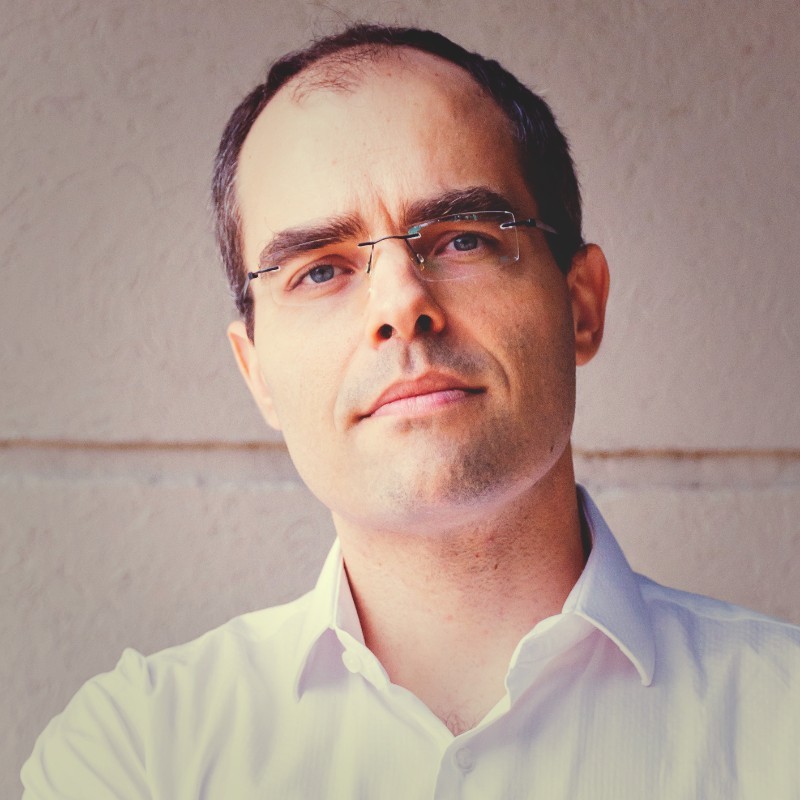
Bioenergy with Carbon Capture Utilization and Storage (BECCUS)
Natural Based Solutions (NBS)

Decarbonisation Technologies
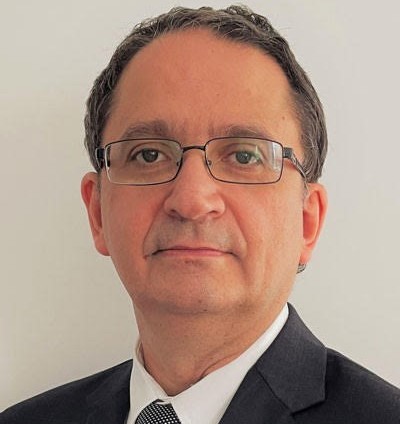
Greenhouse Gas Reduction Technologies (GHG)

Electrification, Power & Storage

Low Carbon Power

Novel Materials and Nanotechnology

Advocacy - Standardisation, Regulation, Social Perception & Acceptance

HSE & Circular Economy
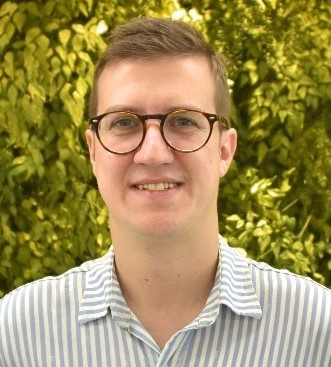
Greenhouse Gas Reduction Technologies (GHG)
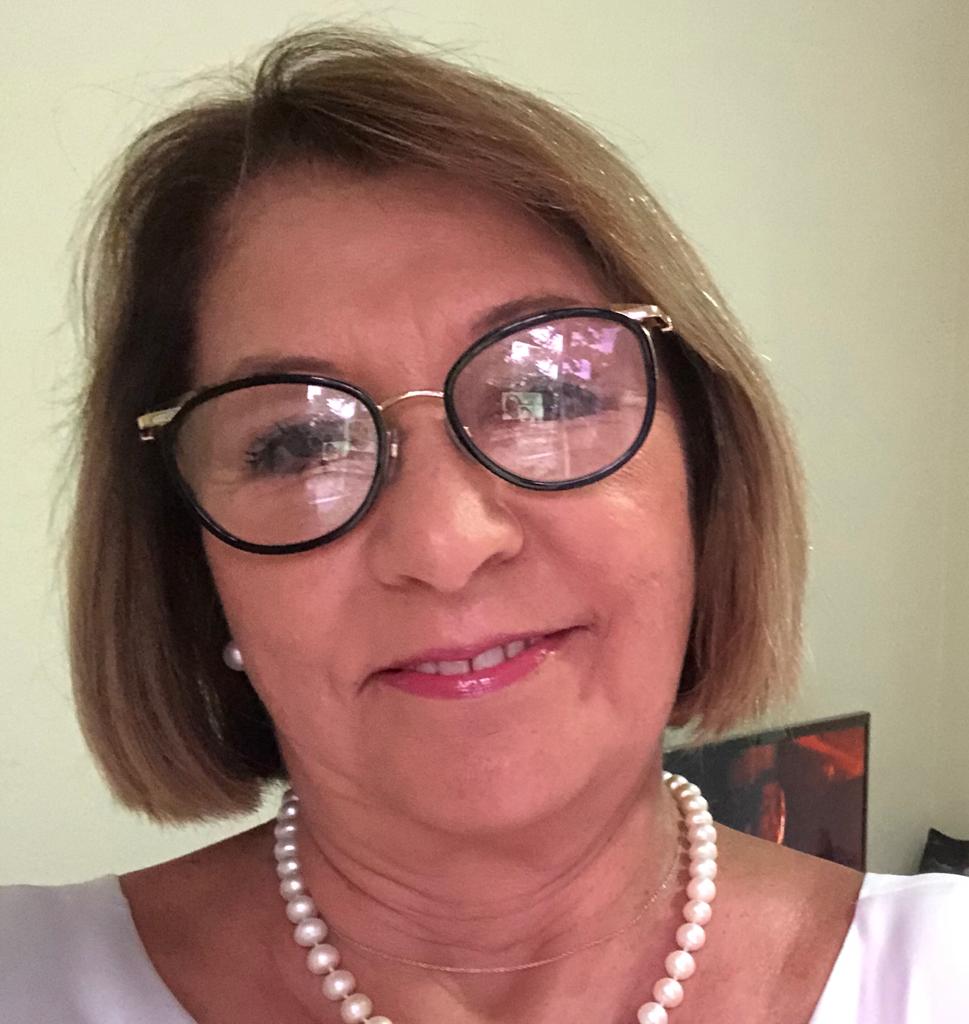
ESG - Environmental, Social, and Governance

RCGI-USP Manager, Communication & Dissemination of Knowledge.
Is an Assistant Professor in the Department of Chemical Engineering at the Federal University of Minas Gerais (UFMG), Brazil.

Is a PhD candidate in the Department of Electrical Engineering at the Polytechnic School of the University of São Paulo (Poli-USP)

is a PhD candidate in Chemical Engineering at the Polytechnic School of the University of São Paulo (USP), conducting research focused on the use of electrochemical processes

is currently a Master’s student in Petroleum Engineering (USP-PMI), conducting research in the field of sustainability

As a PhD student in Mechanical Engineering at USP

Holds a degree in Chemistry from the University of São Paulo (USP)

RCGI-USP Communication Assistant and Journalism Student at the School of Communications and Arts, University of São Paulo (ECA-USP)

Is a Chemical Engineer, researcher, and lecturer working in the fields of bioenergy, energy transition, waste-to-energy, low-carbon technologies, biofuels and carbon markets.
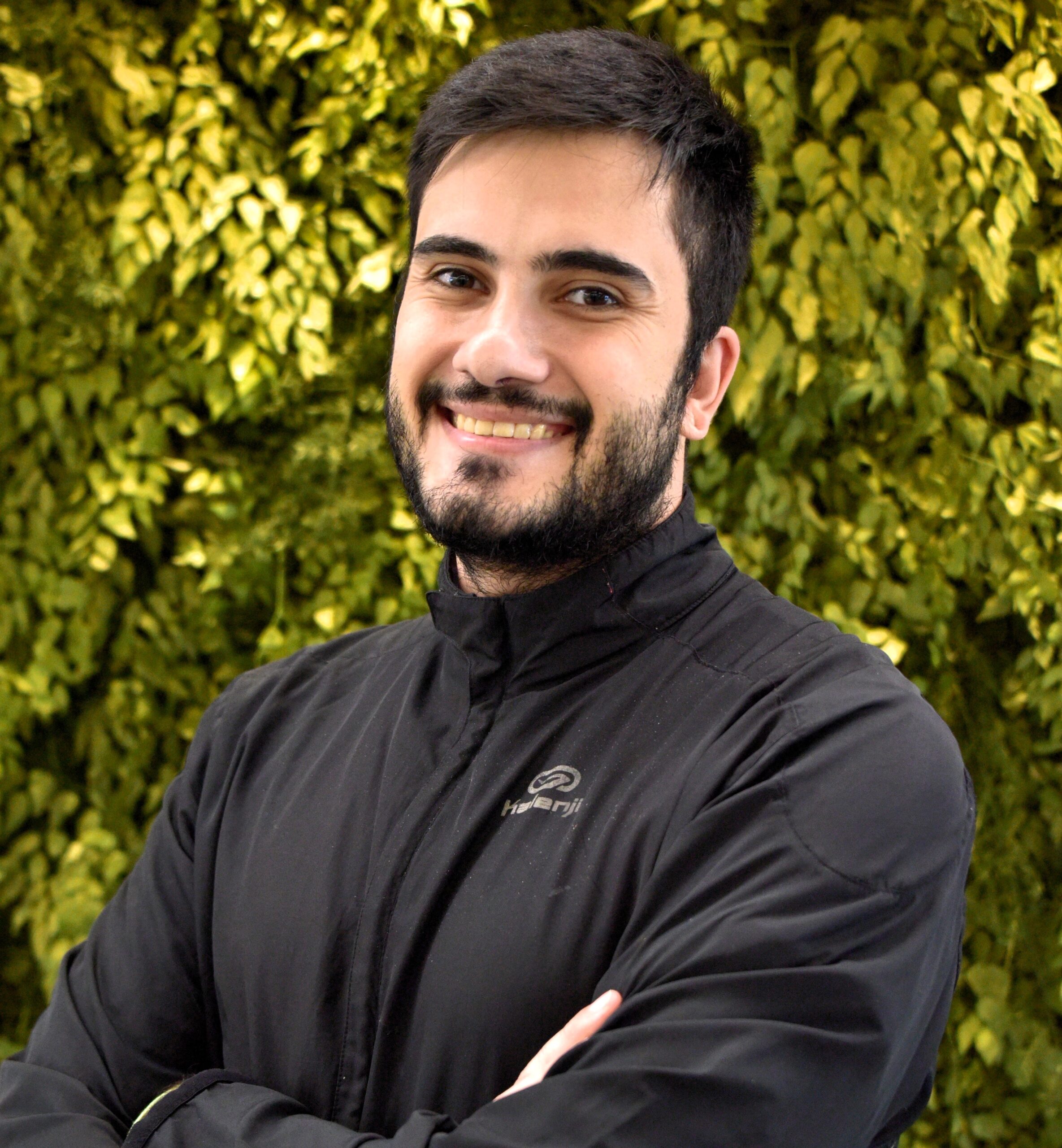
Undergraduate student in Naval and Ocean Engineering from the Polytechnic School of the University of São Paulo.

Bacharel em Português/Japonês pela Faculdade de Filosofia, Letras e Ciências Humanas da Universidade de São Paulo (USP).

Is a PhD researcher in Electrical Engineering at the Polytechnic School of the University of São Paulo (Poli-USP)
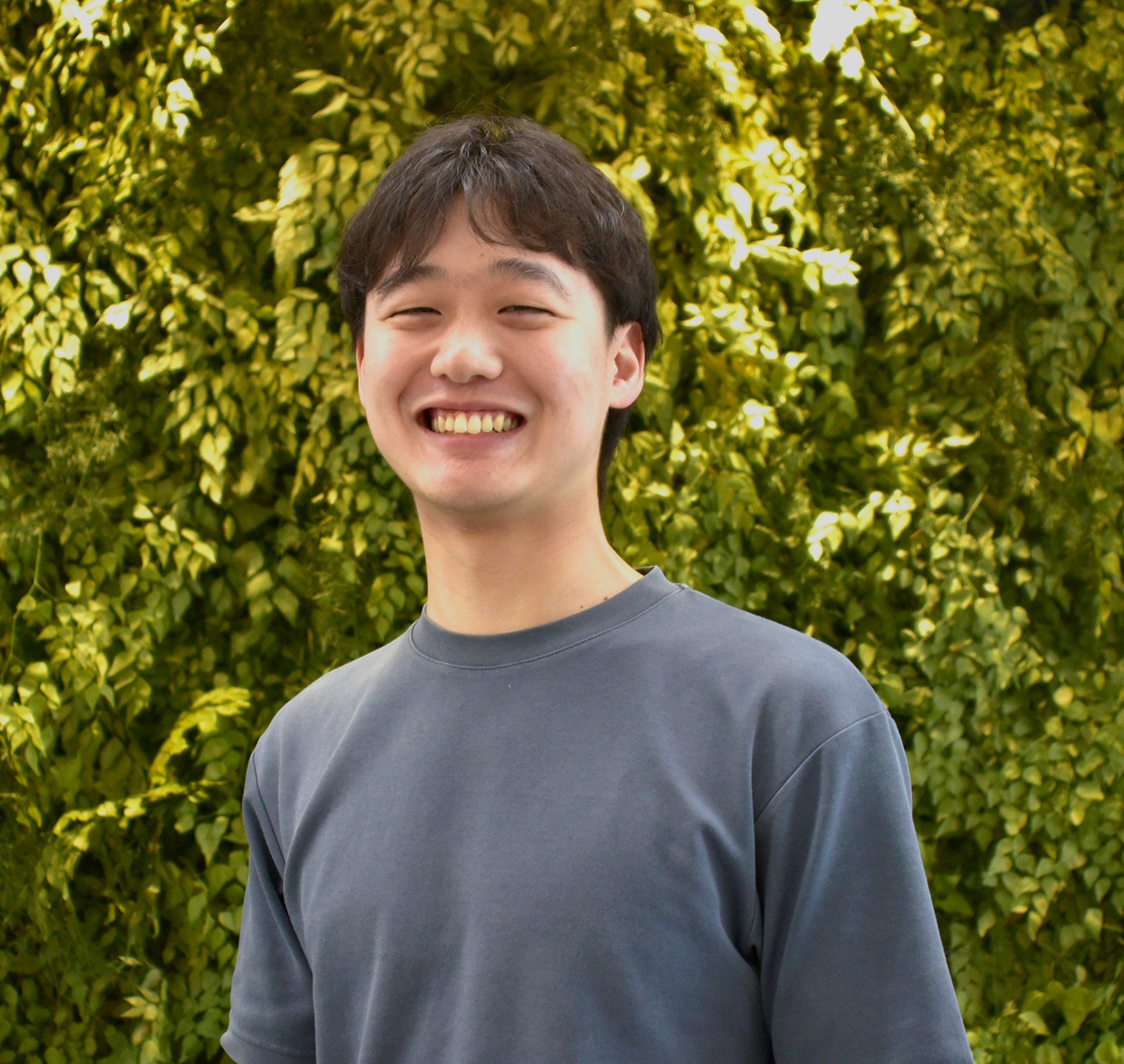
Master’s student in Naval Architecture and Ocean Engineering at the Polytechnic School of the University of São Paulo (USP).

is a Civil Engineer, graduated from the University of Mogi das Cruzes (UMC), and Project and Services Manager at INOVA OZ – Osasco’s Innovation and Technological Development Agency
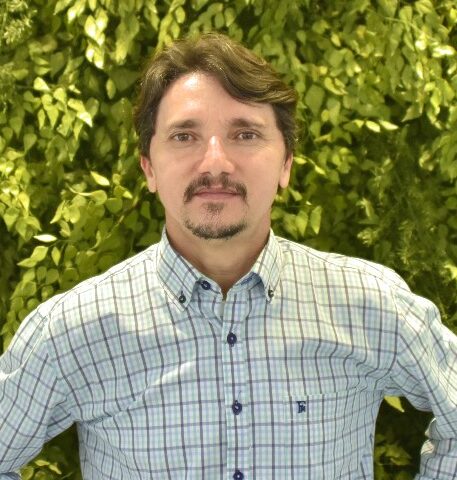
Responsável pelo suporte de TI do RCGI-USP, trabalha em estreita colaboração com a equipe, oferecendo assistência técnica a professores e colaboradores, solucionando problemas de informática e garantindo o bom funcionamento das operações tecnológicas do ETRI 2026.

is a physicist currently pursuing a Master’s degree in Petroleum Engineering at the Polytechnic School of the University of São Paulo (USP)

is a lawyer and researcher with expertise in energy, regulation, infrastructure, public policy, climate governance, decarbonization, and sustainability.

Postdoctoral researcher at the Polytechnic School of USP (EPUSP), Professor of Production Engineering at ESEG College - ETAPA Group, São Paulo, Brazil (2020-present), and member of the strategic board at Finamac.
Receptionist OTIC

is a Geological Engineer and Master’s student in Petroleum Engineering at the Polytechnic School of the University of São Paulo (USP)

Undergraduate student in Industrial Engineering at Escola Politécnica of the University of São Paulo (Poli-USP). At the Research Centre for Greenhouse Gas Innovation (RCGI), he works on Innovation & Technology Transfer projects.
Director of Human Resources and Institutional Communication at RCGI
Deputy Coordinator of the project “Social Perception and Science Diplomacy for the Technology Transition towards a Low-Carbon Society” at RCGI
Since 2016 serves as Director of Human Resources and Leadership Management for the RCGI – Research Centre for Gas Innovation located at the Polytechnic School of the University of São Paulo (USP), funded by FAPESP (São Paulo State Funding Agency) and Shell Brasil. In 2021 she became the deputy coordinator of the project “Social Perception and Science Diplomacy in the Technology Transition towards a Low-Carbon Society”. And in 2023, after concluding her PhD, she assumed the Directory of Institutional Communication and Human Resources. She has a degree in Psychology from the University of São Paulo (USP), a post-graduation in Administration from Fundação Getúlio Vargas (FGV), a master’s in Social Psychology from Pontificia Universidade Católica (PUC-SP) and PhD in Social Psychology from the University of São Paulo (USP), with a year as researcher at Imperial College London. Before, developed approximately 18 years of experience in companies as Unilever, Andersen Consulting (Accenture), Chase Manhattan Bank (JP Morgan Chase), Banco Itaú, and Grupo VR (Sodexo), growing in her career from analyst to director. Worked in Human Resources and Change Management consulting for more than 15 years, focused on Coaching, Career Management, Leadership and Team Development, Mentoring Programs, Change Management and Organisational Culture, among others. Serves as a Visiting Professor at Fundação Getúlio Vargas (FGV) for the post-graduation program since 2009.
RCGI’ Shell Brasil Executive Committee Representative
Camila has more than 20 years of experience in Oil and Gas Industry, working in applied research for metallic and non-metallic materials, project management, market strategy and business development in companies like Evonik, TechnipFMC, Vallourec and Petrobras. Working at Shell since 2020, her current role is Technology Project Lead, managing R&D projects in Low-Carbon Energy platform, aiming the growth of CCUS technology solutions.
Camila started her career as chemistry technician, and obtained her Master’s in Chemical Engineering by Federal University of Minas Gerais, MBA in Marketing&Sales by University of Mannheim (Germany) and she is PhD candidate in Metallurgical and Materials Engineering at Federal University of Rio de Janeiro.
USP – RCGI, Director of Power Systems Innovation Hub – InnovaPower Programme, RCGI
Soon
RCGI – USP, Deputy Director of Power Systems Innovation – InnovaPower Hub
Soon
Deputy Director of the Advocacy RCGI.
Commander of the Order of Rio Branco (Ministry of Foreign Affairs – Itamaraty). Linneborn Prize 2023 (European Biomass Conference and Exhibition 2023, Bologna, Italy) for the researches on Bioenergy. Chemical Engineering (1972), Master degree (1992) and PhD (1999) in Energy by the Graduate Program in Energy (PPGE), Institute of Energy and Environment (IEE), University of São Paulo (USP). She is a lecturer and thesis advisor at PPGE/IEE/USP and at the Post Graduate Program in Bioenergy USP / UNICAMP / UNESP. She is also the coordinator of the Research Group on Bioenergy (www.iee.usp.br/gbio) of IEE/USP.
In addition, she is one of the coordinators of the Thematic Axes Program – Energy of USP. Reviewer at several scientific journals, such as Energy Policy, Journal of Cleaner Production, Clean Technology and Environmental Policy, Biomass and Bioenergy and Energy for Sustainable Development, among others. Bioenergy Editor at Renewable Bioenergy and Sustainable Energy Reviews. Principal Investigator (PI) and Deputy Director for BECCS Program at RCGI/FAPESP/SHELL.
Deputy Scientific Director & Director of Greenhouses Gases (GHG) Programme, RCGI.
He began his work as Professor in the Department of Mechatronics and Mechanical Systems at the Polytechnic School of the University of São Paulo (EPUSP), Brazil, in 1998. He was promoted to Associate Professor in 2003 and Professor in 2005. He is currently a researcher of CNPq 1A level in Brazil. He obtained Bachelor and master degree in Mechanical Engineering from EPUSP in 1990 and 1993, respectively, and the Ph.D. degree in Mechanical Engineering from The University of Michigan – Ann Arbor, USA, in 1998. During his Ph.D., he received two awards: Distinguished Achievement Award and Ivor K. McIvor Award. The first award is given in recognition of excellence and academic staff, and the latter in recognition of performance in research.
He specializes in Computational Mechanics, particularly in the application of finite element and topology optimization methods in smart structures and materials, such as piezoelectric actuators and sensors, piezocomposite materials (including functional gradient materials – FGM), energy harvesting devices, microelectromechanical systems (MEMS), and flow machines. He was invited as visiting professor at Kyoto University, Japan, in 2003, and University of Illinois at Urbana-Champaign, USA in 2003, 2004, 2006 and 2007. He has published articles in international journals of selective editorial policy, acted as reviewer of international journals, and international conferences, and as ad hoc consultant for international funding agencies such as NSF (USA), NRF (South Africa), and ISF (Israel). Author has participated regularly in symposia and conferences around the world, also with publication of articles. He has served as a member of the scientific committee, has organized oral sessions, and has given keynote lectures and plenary talks at several international conferences.
Author was the “Chair” of the congress “ISMM&FGM2014”, SP, Brazil. He participated as a panelist in the Panel of Experts for Proposals on the Mechanics of Materials (MoM-X) 2010 program of the NSF USA and was a voting member in the “Frontier Ideas” meeting panel to decide on potential topics for the ” Emerging Frontiers in Research and Innovation (EFRI-2011) “, USA. He is a member of the editorial board of the journal Mechanics Research Communications (MRC). In 2016, he was co-editor of the special edition “Recent Advances in Multiscale, Multifunctional and Functionally Graded Materials” of the MRC journal.
RCGI Director of the Nature Based Solutions (NBS) Programme
He holds a degree in Agricultural Engineering from the University of São Paulo (1997), a master’s degree in Soils and Plant Nutrition from the University of São Paulo (1999), and a PhD in Environmental Science from the University of São Paulo (2003).
He is currently a Full Professor in the Department of Soil Science at the Luiz de Queiroz College of Agriculture, University of São Paulo, working mainly on topics related to Soil Organic Matter, Global Warming and Climate Change, Agriculture and the Carbon Credit Market, Mathematical Modeling , geostatistics and geoprocessing. CNPq Productivity Scholarship and Affiliated Member of the Brazilian Academy of Sciences.
Director del Programa de Abogacía.
Graduado en Economía (1990) e Ingeniería Eléctrica (1988) en la Universidad de São Paulo. Possui mestrado em Gestão e Política de Energia (Universidad de Pennsylvania; 1993) e em Planejamento de Sistemas Energéticos (Universidade Estadual de Campinas; 1992). Doctor en Economía de la Energía por el Institut Français du Pétrole e pela Université de Bourgogne (1997).
El Prof. Edmilson es profesor asociado del Instituto de Energía y Ambiente de la Universidad de São Paulo (IEE-USP). Desde marzo de 2019, é bolsista de Produtividade em Pesquisa do CNPq (nível 2). Desde diciembre de 2015, se desempeña como Pesquisador Principal y Coordenador de Programa no Centro de Pesquisa para Inovação em Gases de Efeito Estufa (Centro de Pesquisa em Engenharia – CPE, fundado en parceria pela FAPESP y pela Shell Brasil). Desenvolve atividades de ensino e pesquisa com ênfase em Análise e Planejamento Energético, abriendo líneas de pesquisa como Energia e Sociedade, Energia e Meio Ambiente, Planejamento Integrado de Recursos, Desenvolvimento de Recursos Fósseis (convencionais e não convencionais) e Fontes Renováveis de Energia, incluindo interesses nas áreas de Economía, Derecho, Regulación y Políticas Energéticas. Atua como consultor independiente para organizaciones de investigación y desarrollo, empresas y agencias gubernamentales y no gubernamentales.
Desde 2019, coordina el Programa de Formação de Recursos Humanos em Petróleo e Gás Natural no IEE-USP (PRH-33.1, apoiado pela Agência Nacional do Petróleo, Gás Natural e Biocombustíveis – ANP – e pela FINEP). Coordena importantes iniciativas de internacionalización del IEE-USP, incluido el Acuerdo de Cooperación Académica Internacional entre el IEE-USP y el IFP School (França). Fue presidente de la Associação Brasileira de Estudos de Energia (AB3E) en el bienio 2014-2016 y presidente de la Sociedade Brasileira de Planejamento Energético (SBPE) en el bienio 2011-2012.
Specialist in Geological Carbon Storage and CCS technologies
She holds a degree in Petroleum Engineering and a Master’s in Energy from the University of São Paulo (USP), with an academic period at the MSc in Petroleum Economics and Management at IFP School (France). She is currently a PhD candidate in Mechanical Engineering – Energy and Fluids at USP. She is Co-Founder and Director of CCS Brasil. She serves as Director of Manacá CCS and as Technical Lead for CCS at EBEX, where she co-leads, through a partnership between both companies, the development of a BECCS project in the State of São Paulo, Brazil. She is a researcher at the Research Centre for Greenhouse Gas Innovation (RCGI/USP), a member of the Scientific Committee of the GeoStorage research nucleus, Professor at the MBEN Graduate Program at COPPE/UFRJ, and Lead Faculty in Energy at Insper Executive Education.
USP – RCGI, Director of Technology Transfer and Innovation
Renato Picelli is a mechanical engineer holding a PhD in Computational Mechanics from the State University of Campinas (Unicamp, 2015), having completed a 12-month research exchange at Delft University of Technology (TU Delft, Netherlands). He worked as a postdoctoral researcher at Cardiff University (UK) and as a visiting researcher at RMIT University (Australia) and the University of California, San Diego (USA). In 2018, he joined the Polytechnic School of the University of São Paulo (EP-USP) as a fellow under FAPESP’s Young Researchers program and became an Assistant Professor in the Department of Naval Architecture and Ocean Engineering (PNV) in 2022.
He leads the Offshore Technology and Topology Optimization laboratory (OTTO lab). The group focuses on parametric, shape, and topology optimization for multiphysics problems, with expertise in fluid-structure and acoustic-structure interaction, as well as mechanical stress and fluid dynamics problems. Applications include the design of ships and offshore structures, energy systems (such as fuel cells), and pneumatic machines for mitigating CO2 and methane emissions. Prof. Picelli is active in the RCGI’s Greenhouse Gas (GHG) program and serves as the Director of Technology Transfer and Innovation. He maintains close collaborations with the following institutions: TU Delft (Netherlands), Kyoto University (Japan), Karlstad University (Sweden), and RMIT University (Australia).
Prof. Picelli has authored or co-authored over 40 articles published in indexed, peer-reviewed scientific journals. He has coordinated several research projects funded by FAPESP. Currently, he is responsible for the Engineering Optimization courses at both the undergraduate and graduate levels within the PNV program. He is a member of the Early Career Special Committee of the International Society for Structural and Multidisciplinary Optimization (ISSMO).
Petronas F1 Engineer
Soon
Profesor Titular (EPUSP), Director OTIC
Gustavo Roque da Silva Assi es Profesor Titular de Transición Energética y Energías Renovables en la Escuela Politécnica de la Universidad de São Paulo (EPUSP). Docente del Departamento de Ingeniería Naval y Oceánica, fue profesor visitante en la University of Oxford, en el California Institute of Technology y en la Texas A&M University. Es el Director Científico del OTIC – Offshore Technology Innovation Centre, un centro de investigación que estudia la transición de la industria offshore en el contexto de la transición energética.
Su investigación se centra en los fenómenos de interacción fluido-estructura, transición energética, generación de energía renovable a partir del océano y captura y almacenamiento de carbono. Tiene un interés especial en la comunicación científica, la enseñanza de la ingeniería, la filosofía de la tecnología y la interacción entre ciencia, tecnología y fe cristiana.
En la USP, también actúa como Coordinador del Núcleo de Filosofía de la Tecnología y como investigador del NDF – Núcleo de Dinámica de Fluidos. Fue Director de Difusión del Conocimiento e Innovación del RCGI – Research Centre for Greenhouse Gas Innovation de la USP.
Es Ingeniero Naval y Oceánico (USP), Magíster en Ingeniería Mecánica (USP), Doctor en Aeronáutica (Imperial College London) y posee el título de Libre Docente en Hidrodinámica de Sistemas Navales y Oceánicos (USP).
Diao Xungang ,Full professor of physics, material science and renewable energy of Beihang University, China. Director of Beihang USP Green Aviation Laboratory – BUGA Lab
He has studied and worked at Lanzhou University, Tsinghua University, Brazilian Center for Physics Research – CBPF, Research Institute of Physics and Chemistry – RIKEN, Japan, and Beihang University, published more than 230 peer reviewed papers with 5150 citations and H-index 43, been responsible for more than 40 research projects, obtained 12 invention patents in China, etc..
Director of the Bioenergy with Carbon Capture and Storage (BECCS) Programme, RCGI.
Marcos Buckeridge is plant biologist who has spent 20 years working at the Botanical Institute of São Paulo with native Neotropical species. During his masters and Ph.D. he worked with cell wall polysaccharides in plants and in 1995 established a line of research focused on the comprehension of the physiological and cellular mechanisms involved in seedling establishment in tropical biomes as well as the development of biotechnological tools to help the sustainable use of biodiversity. More than 80 publications were produced following these lines of research.
With the increasing importance of the impact of Global Climatic Changes in the world, Dr. Buckeridge pioneered studies that try to understand how the rain forest, including Atlantic and Amazonian species, are responding to the increasing carbon dioxide concentration in the atmosphere.
More recently, his research group added another focus, which is to understand how the sugar cane plant will respond to the climatic changes. This is important because sugarcane is now one of the most important crops in Brazil, being responsible for the production of ethanol as a fuel. Dr. Buckeridge moved to the University of São Paulo in 2006 and from 2009 to 2012 shared this position with the Scientific Directory of the Brazilian Bioethanol Science and Technology Laboratory at Campinas.
He is also the actual coordinator of the National Institute of Science and Technology of Bioethanol (INCT do Bioetanol) a virtual organization that congregates 31 laboratories from 6 states of Brazil working on bioenergy. He has been president of the Botanical Society of São Paulo from 2001 to 2005 and is one of the lead authors for the next report of the Intergovernmental Panel of Climatic Changes (IPCC) to be presented in 2014. Presently, Dr. Buckeridge is a communicating editor for Trees:structure and function (Springer), Bioenergy Research (Springer), Global Change Biology Bioenergy and the Australian Journal of Botany.
Buckeridge has been President of the Academy of Sciences of the State of São Paulo from 2015 to 2019.
Decarbonization Programme Director RCGI
Prof Bruno Souza Carmo obtained a degree in Mechatronics from the University of São Paulo (2002), completed an MSc in Mechanical Engineering at the University of São Paulo (2005), did his PhD in Aeronautics at Imperial College London (2009) and got the habilitation degree in Mechanical Engineering, specialization in Fluid Mechanics, from the Department of Mechanical Engineering of Escola Politécnica, University of São Paulo (2020). He joined the Department of Mechanical Engineering of Escola Politécnica, University of São Paulo, in July 2010 and has been carrying out research as a member of the Centre For Dynamic and Fluids (NDF) since then. He has also been part of the Research Centre for Greenhouse Gas Innovation (RCGI) since its origination, working as deputy scientific director from 2015 and 2023 and as the director of the Descarbonization programme since 2024.
In the RCGI, he coordinated two projects in the Engineering programme, one project in the CO2 abatement programme, one project in the Geophysics programme and one ongoing project in the InnovaPower programme. He was promoted to Associate Professor in March 2021 and to Full Professor in July 2023. He spent six months as a visiting researcher at the National Wind Technology Center of the National Renewable Energy Laboratory (NWTC-NREL) of the USA, from August 2023 to January 2024. His areas of expertise are fluid mechanics and energy, and he is currently working on projects and supervising students in the following research lines: hydrodynamic stability, fluid-structure interaction, CFD-based optimization, high-order finite element methods, renewable energy (wind, tidal and biomass), biological flows, hybrid power systems, fuel cells, gas purification and computational geophysics.
Deputy Director of the Carbon Capture and Utilization (CCU).
Current research interests are related to the valorization of carbon dioxide and biomass through the combination of different catalytic strategies in supercritical fluids.
is an Assistant Professor in the Department of Chemical Engineering at the Federal University of Minas Gerais (UFMG), Brazil.
She holds a Ph.D. in Chemical Engineering and has a background in process modeling, simulation, optimization, and techno-economic and environmental assessment of sustainable processes. Her research interests include energy transition, circular economy, carbon utilization, renewable fuels, and the development and assessment of sustainable chemical processes.
Before joining UFMG, Ana Bárbara was a postdoctoral researcher at the Institute of Chemistry of the University of São Paulo (USP), where she worked on CO₂ conversion into methanol and process scale-up. She continues to collaborate as a researcher with the research group at the Institute of Chemistry at USP. Her involvement with ETRI began in 2024, when she attended the conference as a participant, followed by her contribution to the organization of ETRI 2025. In 2026, she returns to the conference as a volunteer.
LinkedIn: https://www.linkedin.com/in/anabarbaramoulincansian/
is a PhD candidate in the Department of Electrical Engineering at the Polytechnic School of the University of São Paulo (Poli-USP).
His research focuses on modern power systems, power converters, distributed energy resources, and the stability of inverter-based power systems.
He holds a Master’s degree in Electrical Engineering from Chang’an University, China, and has previous experience as a Lab Engineer at COMSATS University Islamabad. He is also a member of IEEE and the IEEE Power & Energy Society (PES), and served as an Ambassador and Event Lead for IEEE PES Day 2026.Currently, Haroon is a volunteer at the Energy Transition Research & Innovation Conference (ETRI) 2026, contributing his research background and experience in academic event organization.
LinkedIn: www.linkedin.com/in/haroon-jan-khan
is a PhD candidate in Chemical Engineering at the Polytechnic School of the University of São Paulo (USP), conducting research focused on the use of electrochemical processes to obtain higher-value organic compounds through the oxidation of organic pollutants and the electrochemical reduction of CO2.
She has research experience in the fields of materials, sustainability, and electrochemical processes, as well as experience in software and systems project management. She is currently a member of the Advanced Oxidation Processes (AdOx) research group.
As a volunteer at the Energy Transition Research & Innovation Conference (ETRI) 2026, Lívia contributes to the organization and execution of the event, drawing on her experience in research and project management. This experience expands her activities beyond academic research, strengthening her interest in integrating engineering, innovation, and sustainability, as well as in developing technologies that contribute to the energy transition and the reduction of greenhouse gas emissions.
He is a member of the Sustainability and Petroleum Research Group (NUSP), the Interdisciplinary Petroleum Laboratory (LIP) and also a member of SPE (Society of Petroleum Engineers).
Experience in sustainability through the preparation of life cycle inventories (LCI), leadership through the ASPIRE LEADERS PROGRAMME 2026 (HARVARD ALP’2026), and energy transition through ENERGYC’s ‘Young Energy Professionals: Career and Leadership’ programme. Currently, Manuel is a volunteer at the Energy Transition Research & Innovation Conference (ETRI) 2026.
As a PhD student in Mechanical Engineering at USP, I am writing to express my wholehearted enthusiasm for joining the ETRI Volunteer 2026 Program!
As a PhD student in Mechanical Engineering at USP, I am writing to express my wholehearted enthusiasm for joining the ETRI Volunteer 2026 Program! From the moment I learned about this opportunity, I knew I wanted to bring my energy, dedication, and positive spirit to your inspiring initiative. The reason for that lies in the fact that this is my group and I have to make it successful. Volunteering for me is far more than just offering my time—it is about creating genuine connections, lifting up community spirit, and working collaboratively to turn big ideas into meaningful impact.
Every project thrives when powered by passion and purpose. I take pride in bringing an approachable, charismatic, and proactive attitude to every team I join. Whether it involves greeting participants with a warm smile, solving on-the-ground challenges, supporting behind-the-scenes logistics, or keeping morale high during fast-paced event days, you can count on me to dive in with 100% effort and a bright outlook.
The ETRI 2026 Program represents an incredible platform for growth, unity, and innovation. As a USP PhD scholar, I am eager to contribute my unique strengths, learn from fellow volunteers, and help craft an extraordinary experience for every single attendee. Let’s collaborate, spark positive energy, and make the 2026 edition an unforgettable success together!
LinkedIn: https://www.linkedin.com/in/usama-bin-qasim-a7819765/
اردو
یو ایس پی (USP) سے مکینیکل انجینئرنگ میں پی ایچ ڈی کے طالب علم کی حیثیت سے، میں ETRI والینٹیر 2026 پروگرام کا حصہ بننے کے لیے اپنے دلی جوش و جذبے کا اظہار کرنے کے لیے یہ درخواست لکھ رہا ہوں! جب سے مجھے اس شاندار موقع کے بارے میں معلوم ہوا ہے، میں اپنی تمام تر توانائی، لگن اور مثبت سوچ کے ساتھ اس بہترین اقدام کا حصہ بننے کا خواہش مند ہوں۔ اس کی وجہ یہ ہے کہ یہ میرا اپنا گروپ ہے اور مجھے اسے ہر صورت کامیاب بنانا ہے۔ میرے نزدیک والینٹیئرنگ صرف اپنا وقت دینا نہیں ہے، بلکہ یہ لوگوں کے ساتھ سچے تعلقات قائم کرنے، باہمی اتحاد کو فروغ دینے اور مل کر بڑے خیالات کو مثبت تبدیلی میں بدلنے کا نام ہے۔
ہر کامیاب منصوبہ جذبے اور مقصد کے ساتھ آگے بڑھتا ہے۔ مجھے اس بات پر فخر ہے کہ میں جس بھی ٹیم کا حصہ بنتا ہوں، وہاں دوستانہ، پرجوش اور متحرک انداز لے کر آتا ہوں—چاہے وہ آنے والے مہمانوں کا پرخلوص مسکراہٹ کے ساتھ استقبال کرنا ہو، عملی میدان کے مسائل کو حل کرنا ہو، پردے کے پیچھے کے انتظام سنبھالنا ہو، یا تقریب کے مصروف دنوں کے دوران ٹیم کے حوصلے کو بلند رکھنا ہو—آپ مجھ سے 100% لگن اور بہترین کارکردگی کی امید رکھ سکتے ہیں۔
ETRI 2026 پروگرام سیکھنے، یکجہتی اور جدت کا ایک شاندار پلیٹ فارم ہے۔ USP کا PhD اسکالر ہونے کے ناطے، میں اپنی تمام تر صلاحیتوں کے ساتھ حصہ ڈالنے، دیگر ساتھیوں سے سیکھنے اور تمام شرکاء کے لیے اس تقریب کو بہترین بنانے کے لیے پوری طرح تیار ہوں۔ آئیے مل کر کام کریں، مثبت توانائی پھیلائیں اور 2026 کے اس ایڈیشن کو ایک ناقابل فراموش کامیابی بنائیں۔
holds a degree in Chemistry from the University of São Paulo (USP), an institution with which he has maintained a connection and a passion since 2007, having first joined while still in high school.
His diverse professional background spans areas such as quality control in the pharmaceutical industry, procurement, technical sales, and physicochemical laboratory work focused on adsorbents, as well as experience in the events sector. He currently works as a technical sales representative for adsorbents and catalysts, primarily serving the petrochemical industry, the energy sector (with an emphasis on biogas), and the industrial and medical gas markets.
A martial arts practitioner since 2012, he engages in the discipline as a student, instructor, and competitor, embracing its philosophies and teachings as both a lifestyle guide and a primary hobby. He is also passionate about role-playing games (RPGs), reading, and cooking.
LinkedIn: https://www.linkedin.com/in/vinicius-de-campos-castello-branco-006611154/
is currently finishinh her degree in Journalism at ECA-USP.
She is also a Scientific Initiation Research Student at the Laboratory of Pavement Technology (LTP) at the Polytechnic School of USP, and contributes to the Laboratory of Technological Characterisation (LCT) at Poli-USP as a social media assistant.
Now, as a Communications Assistant at RCGI-USP, she will bring her experience in science communication to support the organisation of the Energy Transition Research & Innovation Conference (ETRI), contributing to the dissemination of research and the engagement of different audiences around energy transition.
is a Chemical Engineer, researcher, and lecturer working in the fields of bioenergy, energy transition, waste-to-energy, low-carbon technologies, biofuels and carbon markets.
She is currently a postdoctoral researcher at the Institute of Energy and Environment of the University of São Paulo (IEE-USP). Since 2024, she has been part of the volunteer team involved in organizing the Energy Transition Research & Innovation Conference (ETRI).
She is a member of the Research Group on Bioenergy (GBio) and participates in projects linked to the Research Centre for Greenhouse Gas Innovation (RCGI-USP). She also teaches at PECE-POLI/USP and participates in national and international scientific initiatives and events in the fields of bioenergy and waste. She holds a PhD and a Master’s degree in Energy from the Federal University of ABC (UFABC) and a degree in Chemical Engineering from the Universidad Industrial de Santander (UIS), Colombia.
LinkedIn: www.linkedin.com/in/andrea-carolina-gutierrez-gomez-73b92b203
is an undergraduate student in Naval Engineering at the Escola Politécnica of the University of São Paulo (Poli-USP).
With a strong background in academic extension projects, he has served as the Project Captain for Poli Náutico, developing leadership, project management, and practical engineering skills. His academic journey is marked by a deep interest in technological innovation, sustainable engineering solutions, and the ongoing energy transition.
Currently, Igor is a volunteer for the Energy Transition Research & Innovation Conference (ETRI) 2026, contributing his technical background and organizational skills to support the event’s development. He is passionate about connecting engineering practices with global sustainability challenges and engaging with the scientific community to foster greenhouse gas innovations.
LinkedIn: https://www.linkedin.com/in/igor-bara%C3%A7al-8029ba11b/
is a PhD researcher in Electrical Engineering at the Polytechnic School of the University of São Paulo (Poli-USP), working in the area of Power Systems.
His research interests include power system modelling and analysis, with a particular focus on the integration of renewable energy sources. He also has two years of research experience with the Research Centre for Greenhouse Gas Innovation (RCGI), where he contributed to an R&D project funded by TotalEnergies.
He is currently a volunteer at the Energy Transition Research & Innovation Conference (ETRI) 2026, organized by RCGI at USP. In this role, he supports the organization of the conference and engages with researchers and professionals working on energy transition, sustainability, and innovation.
Postdoctoral researcher at the Polytechnic School of USP (EPUSP), Professor of Production Engineering at ESEG College – ETAPA Group, São Paulo, Brazil (2020-present), and member of the strategic board at Finamac.
Former Researcher in Cybernetics applied to Maritime Operations at Sintef Ocean AS, Trondheim, Norway (2022-2025). He works in the field of cybernetic systems, particularly maritime ones. He has experience in the design, construction, and commissioning of autonomous systems for research and development in Naval and Ocean Engineering, as well as for product and process development in the industrial sector in general. He holds a Ph.D. (2010-2014), a Master’s (2007-2010), and a Bachelor’s degree in Naval Engineering (2001-2006) from the Polytechnic School of the University of São Paulo (EPUSP). Mechatronics Technician from Colégio Pentágono (1995-1998). He was a doctoral and master’s scholarship recipient from CAPES, and an undergraduate research scholarship recipient from the National Agency of Petroleum, Natural Gas and Biofuels (ANP). He was a Researcher in Maritime Systems (2020) and a Postdoctoral researcher in Maritime Robotics (2017-2019), both at the KTH Royal Institute of Technology, Stockholm, Sweden. He served as a professor in the Postgraduate course in Port Engineering at the Higher Institute of Transport and Communications (ISUTC), Maputo, Mozambique (2014). He was a research engineer at EPUSP (2007-2014), working on various projects involving the construction, testing, and analysis of scaled models with dynamic positioning systems (DPS) in testing tanks at USP and UFRJ. He was the Research and Development Coordinator of the Engineering Department at Finamac Eng. Ind. de Equip Ltda (2020-2022).
is a physicist currently pursuing a Master’s degree in Petroleum Engineering at the Polytechnic School of the University of São Paulo (USP), Brazil.
His research focuses on Life Cycle Assessment (LCA) and the analysis of environmental impacts associated with the decommissioning of subsea pipelines within the offshore industry.
Throughout his professional and academic career, he has been a member of the NUSP research group (Center for Sustainability in Petroleum) and the Interdisciplinary Petroleum Laboratory (LIP-USP), where he conducts project-based modeling using the SimaPro tool. He is a technical collaborator with FUVEST (ENEM-USP) and a member of the Society of Petroleum Engineers (SPE-USP).
He participated in the “Carreira 2025” program, working on the Sabesp case study project focused on the Resource Factory at the Cubatão Wastewater Treatment Plant (ETE). He possesses academic experience in Applied Physics and in studies related to offshore decommissioning operations.
His participation in the Volunteer Program reflects his interest in contributing to scientific communication, collaboration, and the development of initiatives related to the energy transition and sustainability.
LinkedIn: www.linkedin.com/in/samuelfarcusseta
is a lawyer and researcher with expertise in energy, regulation, infrastructure, public policy, climate governance, decarbonization, and sustainability.
He bridges legal analysis, scientific research, and public policy to support evidence-based decision-making. His academic background includes systematic literature reviews, scientific publications, peer review, technical reports, regulatory analysis, and multidisciplinary collaboration. He has served as a researcher at the Research Centre for Greenhouse Gas Innovation (São Paulo) and as a research assistant at the Mercator Research Institute on Global Commons and Climate Change (Berlin). Attended the Energy Transition Research & Innovation Conference (ETRI) in the 2022 and 2023 editions.
He holds a PhD in Energy (Energy Analysis and Planning) from the Institute of Energy and Environment (IEE) at the University of São Paulo (USP), having completed a visiting doctoral research period at Humboldt-Universität zu Berlin (HU). He also holds a Master’s degree in Regional Development and the Environment from the State University of Santa Cruz (UESC), where he previously earned his Bachelor of Laws and a specialization in Public Management.
LinkedIn: https://www.linkedin.com/in/geraldolavignedelemos/
Receptionist and Administrative Assistant at OTIC.
She was part of the RCGI-USP team for almost three years and is now part of OTIC. This is her third year contributing to ETRI.
is a Geological Engineer and Master’s student in Petroleum Engineering at the Polytechnic School of the University of São Paulo (USP), Brazil.
Her research focuses on Life Cycle Assessment (LCA) and the environmental impacts of oil and gas operations, particularly offshore drilling fluids. She has academic and field experience in geological engineering, geotechnical monitoring, field operations, data collection, and community engagement.
Her professional experience includes field operations and community-based projects in Mozambique, as well as academic and research activities in Brazil. She is particularly interested in energy, sustainability, environmental assessment, and the development of more sustainable practices in the oil and gas sector. Her participation in the Volunteer Programme reflects her interest in contributing to scientific communication, collaboration, and initiatives connected to energy transition and sustainability.
At the Research Centre for Greenhouse Gas Innovation (RCGI), he works on Innovation & Technology Transfer projects, contributing to the structuring and implementation of a support environment for the development of deep techs. He also participated in research on the “Social Perception” of Climate Emergencies and technological transitions towards a low-carbon society. Alongside energy issues, he is enthusiastic about Education – as a vector for social transformation – and is part of the “STEAM Lab”/”Maker Space” at the University of São Paulo Innovation Center (InovaUSP).
LinkedIn: https://www.linkedin.com/in/thiagogberto